
Possible United, American Airlines Merger Report Says
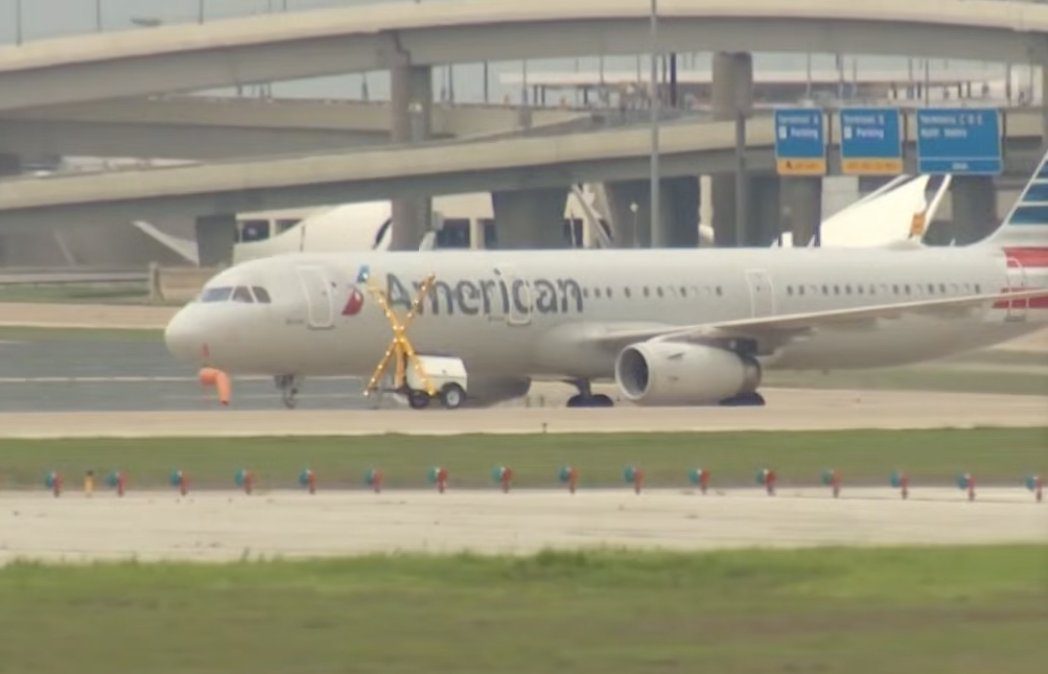
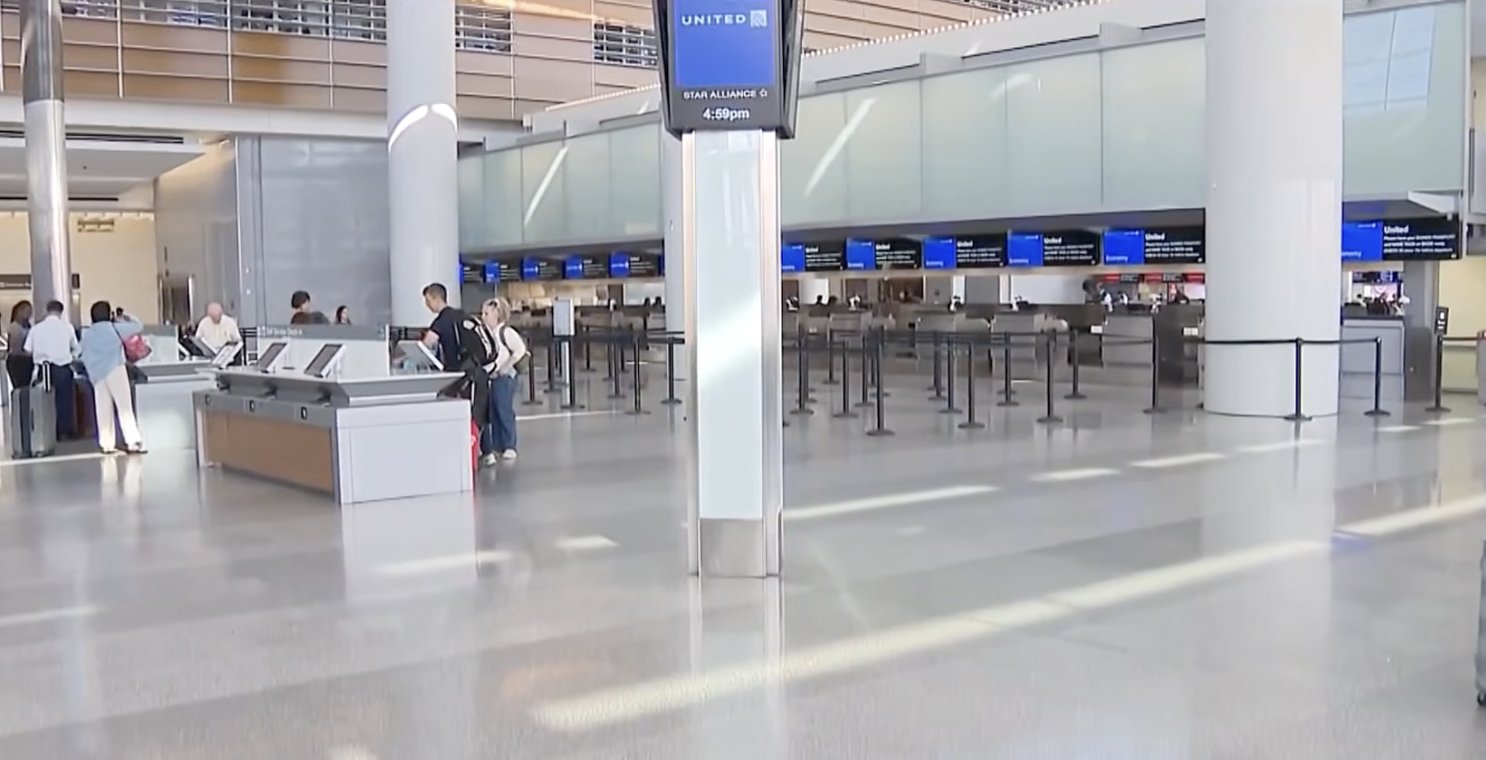
A new report has revealed that Scott Kirby, the chief executive of United Airlines, privately floated the idea of a potential merger with American Airlines to senior U.S. government officials. The discussions, which reportedly took place during a White House meeting in February 2026, have not led to any formal deal process but have already sparked intense debate across the aviation industry and among regulators.
A Proposal That Could Reshape the Industry
At its core, the idea is simple but explosive. Combining United and American would create the largest airline in the United States and one of the most dominant carriers globally. Together, the two companies already rank among the biggest airlines in the world by capacity, meaning a merger would represent the most significant consolidation move in more than a decade. Kirby reportedly argued that such a deal could strengthen the U.S. airline industry’s ability to compete internationally, especially as foreign carriers continue to dominate long-haul routes. The timing is also notable. Airlines are currently facing rising jet fuel costs tied to geopolitical tensions, putting pressure on margins and potentially creating conditions where stronger carriers look to absorb weaker ones.
Financial Pressure and Strategic Motives
The potential merger conversation also highlights a growing imbalance between the two airlines. While United has maintained relatively strong financial performance, American has struggled with higher debt and weaker profitability in recent years. Reports indicate American carries tens of billions of dollars in long-term debt, leaving it more vulnerable in a high-cost environment. This dynamic may be fueling speculation that United sees an opportunity to expand aggressively while competitors are under pressure. Investors appeared to respond quickly to the news, with shares of both airlines rising following the reports, signaling cautious optimism on Wall Street despite the uncertainty.
Regulatory Wall: Antitrust Concerns Front and Center
Despite the strategic logic, the biggest obstacle is clear: regulation. A merger between United and American would dramatically reduce competition in an already consolidated market dominated by four major carriers. Together, the two airlines would control a massive share of U.S. air travel, raising immediate concerns about pricing power, route control, and consumer choice. Antitrust experts have been blunt. Critics warn that fewer competitors typically lead to higher fares, fewer flight options, and diminished service quality. Regulators have already shown a willingness to block airline consolidation in recent years, including high-profile efforts involving other carriers. There are also concerns about overlapping routes, especially in major hubs like Chicago and other key metropolitan areas, where both airlines already operate heavily. Analysts argue that no amount of restructuring or divestitures would fully resolve these overlaps.
Political and Industry Pushback
Beyond regulators, opposition is expected from multiple fronts. Labor unions, consumer advocacy groups, and state attorneys general are all likely to challenge a deal of this magnitude. The fear is not just economic but structural. A merger would effectively shrink the “big four” U.S. airlines into a “big three,” concentrating even more power among fewer players. Even within government circles, the proposal reportedly met skepticism. While the administration may be open to business-friendly policies, a merger of this scale carries political risks tied to inflation, airfare pricing, and job security.
No Deal Yet, But a Signal of What Could Come
As of now, there is no formal merger process underway, and both airlines have declined to comment publicly on the reports. Still, the mere fact that such a proposal was discussed at high levels signals something bigger. The airline industry may be entering a new phase where economic pressure, global competition, and consolidation trends collide. Whether or not this specific deal materializes, the conversation itself underscores a shifting landscape in U.S. aviation. For travelers, the stakes are straightforward. If consolidation accelerates, it could mean fewer choices and potentially higher costs. For the industry, it could mark the beginning of another era defined by mega-carriers and intensified regulatory battles.














































Want to join the conversation?
Create an account or sign in to share your thoughts, vote,
and reply to other readers.
Showing 0 of 0 comments
Don't have an account?
Already have an account?