
Waymo Car Rail Road Tracks
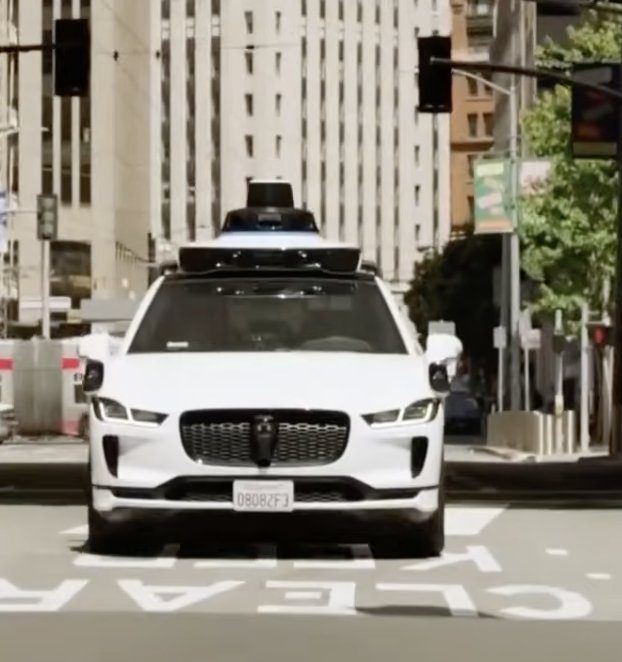
A self-driving Waymo vehicle was observed traveling directly along newly constructed light rail tracks in south Phoenix, raising fresh concerns about how autonomous systems navigate evolving urban infrastructure. Video circulating online shows the vehicle moving down the rail corridor rather than a designated roadway, placing it in the path of active transit construction and potential oncoming trains. The incident occurred on a recently completed stretch of track that is not yet fully operational for public rail service. The area includes altered traffic patterns, temporary markings, and ongoing construction elements that may differ from permanent street layouts typically used to train autonomous navigation systems.
Passenger Exits Vehicle as Situation Escalates
As the vehicle continued along the tracks, the passenger inside reportedly exited the car and ran to safety. No injuries were reported, and there is no indication that a train was approaching at the time. The reason the vehicle entered the rail corridor has not been officially confirmed. Footage shows the car proceeding forward for several moments before coming to a stop. The passenger’s decision to leave the vehicle underscores the fear and uncertainty created when automated systems behave unpredictably in high risk environments.
Questions Raised About Autonomous Mapping and Oversight
The event has renewed scrutiny around how autonomous vehicles interpret construction zones and temporary roadway changes. Light rail corridors are particularly challenging environments, as they can resemble regular streets while being restricted to rail use only. Autonomous vehicles rely on a combination of pre mapped data, sensors, and real time interpretation. When cities rapidly alter infrastructure, gaps between digital maps and physical reality can emerge. Safety advocates argue this places greater responsibility on companies to update mapping data quickly and implement stricter geofencing in areas under construction.
Company Response and Broader Implications
Waymo has not publicly detailed what caused the vehicle to enter the rail tracks or whether software updates are planned in response. The company has previously stated that its vehicles are designed to pull over or stop when encountering uncertain conditions, though this incident suggests those safeguards may not always activate as intended. As cities expand rail systems and redesign streets to accommodate public transit, pedestrian safety, and climate goals, interactions between autonomous vehicles and complex infrastructure are expected to increase. Incidents like this highlight the need for tighter coordination between transit agencies, city planners, and autonomous vehicle operators before large scale deployment continues. The south Phoenix incident did not result in injuries, but it adds to a growing body of evidence that fully autonomous driving still faces real world challenges that software alone has not yet solved.



















































Want to join the conversation?
Create an account or sign in to share your thoughts, vote,
and reply to other readers.
Showing 0 of 0 comments
Don't have an account?
Already have an account?