
Americans Shopping
Retail sales in the U.S. remain surprisingly resilient, even as consumer confidence declines. Behind this paradox is a rising phenomenon known as “doom spending”—a behavior driven not by desire, but by fear. Americans are increasingly making purchases out of anxiety about rising prices, supply chain disruptions, and economic uncertainty. While this spending may provide a fleeting sense of control, it is happening in tandem with rising household debt and financial strain, potentially setting the stage for a sharper economic slowdown.
The Psychology of Doom Spending
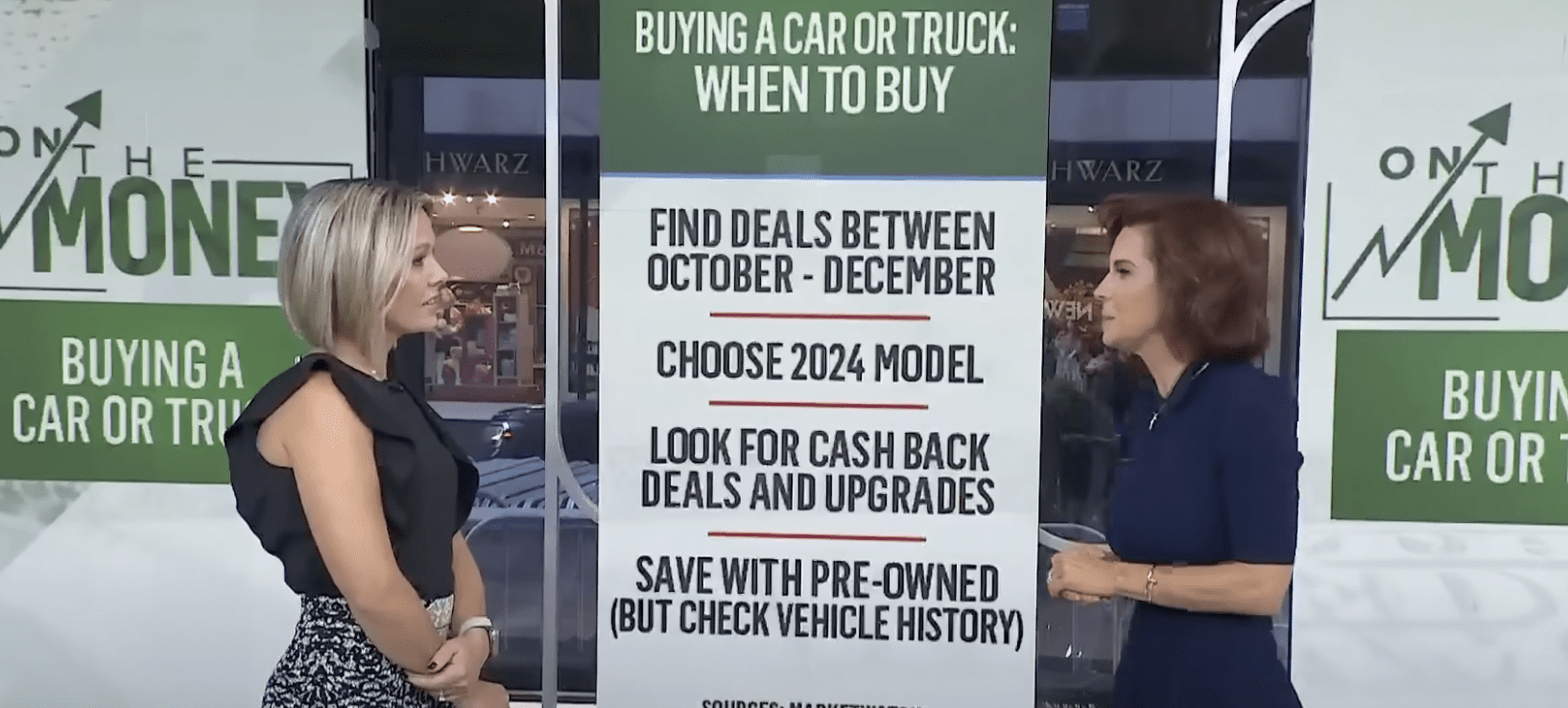
Consumer sentiment has been slipping as concerns over inflation, job stability, and geopolitical uncertainty persist. Faced with the prospect of even higher prices in the future, many shoppers are choosing to buy now rather than risk paying more later. This behavior is particularly evident in essential goods such as groceries, household supplies, and even big-ticket items like appliances and cars.
Retailers have noticed an uptick in bulk purchases, with consumers stocking up on goods they fear may become more expensive or harder to find. This echoes patterns seen during the pandemic, when panic-buying of essentials led to widespread shortages. However, unlike the pandemic-induced demand spikes, today’s doom spending is driven less by immediate necessity and more by long-term economic uncertainty.
The Financial Consequences
While doom spending may temporarily boost retail sales, it comes at a cost. Credit card debt in the U.S. has surged past $1 trillion, and delinquency rates are rising. Many consumers are stretching their finances thin to make purchases they believe will safeguard them from future hardships.
At the same time, savings rates remain low. With inflation eroding purchasing power, many households are prioritizing spending over saving, which could leave them vulnerable if economic conditions deteriorate further. The increased reliance on credit to fund purchases raises concerns about the long-term financial health of American consumers.
Implications for the Economy
While doom spending is currently propping up retail sales, it is unlikely to be sustainable. As more households reach their financial limits, discretionary spending could decline sharply, exacerbating economic slowdowns. Retailers that have benefited from short-term demand spikes may soon face reduced consumer spending as financial pressures mount.
Policymakers and financial experts are watching these trends closely. If doom spending continues alongside rising debt and financial strain, it could prompt a reassessment of economic policies aimed at stabilizing inflation and consumer confidence.
Doom spending
Doom spending is a symptom of a deeper economic anxiety gripping American consumers. While it may provide short-term reassurance, it carries significant risks—both for individual financial health and the broader economy. As inflation, debt, and uncertainty persist, consumers and policymakers alike must navigate the fine line between necessary spending and financial overextension. The coming months will reveal whether this trend is a passing response to economic fears or a harbinger of more significant financial challenges ahead.












































Want to join the conversation?
Create an account or sign in to share your thoughts, vote,
and reply to other readers.
Showing 0 of 0 comments
Don't have an account?
Already have an account?