
Standing With Striking Nurses Outside a Major Hospital
Zohran Mamdani, New York State Assembly member and progressive activist, joined striking nurses outside NewYork-Presbyterian Hospital in New York City this week, voicing strong support for their ongoing labor action. The strike, involving thousands of nurses across multiple hospital systems, comes after months of stalled negotiations over contracts covering pay, benefits, and workplace safety. Mamdani positioned himself firmly alongside the nurses, describing their work as essential not only to patient care but to the functioning of the city’s health care system as a whole.
Highlighting Heroism During Crises
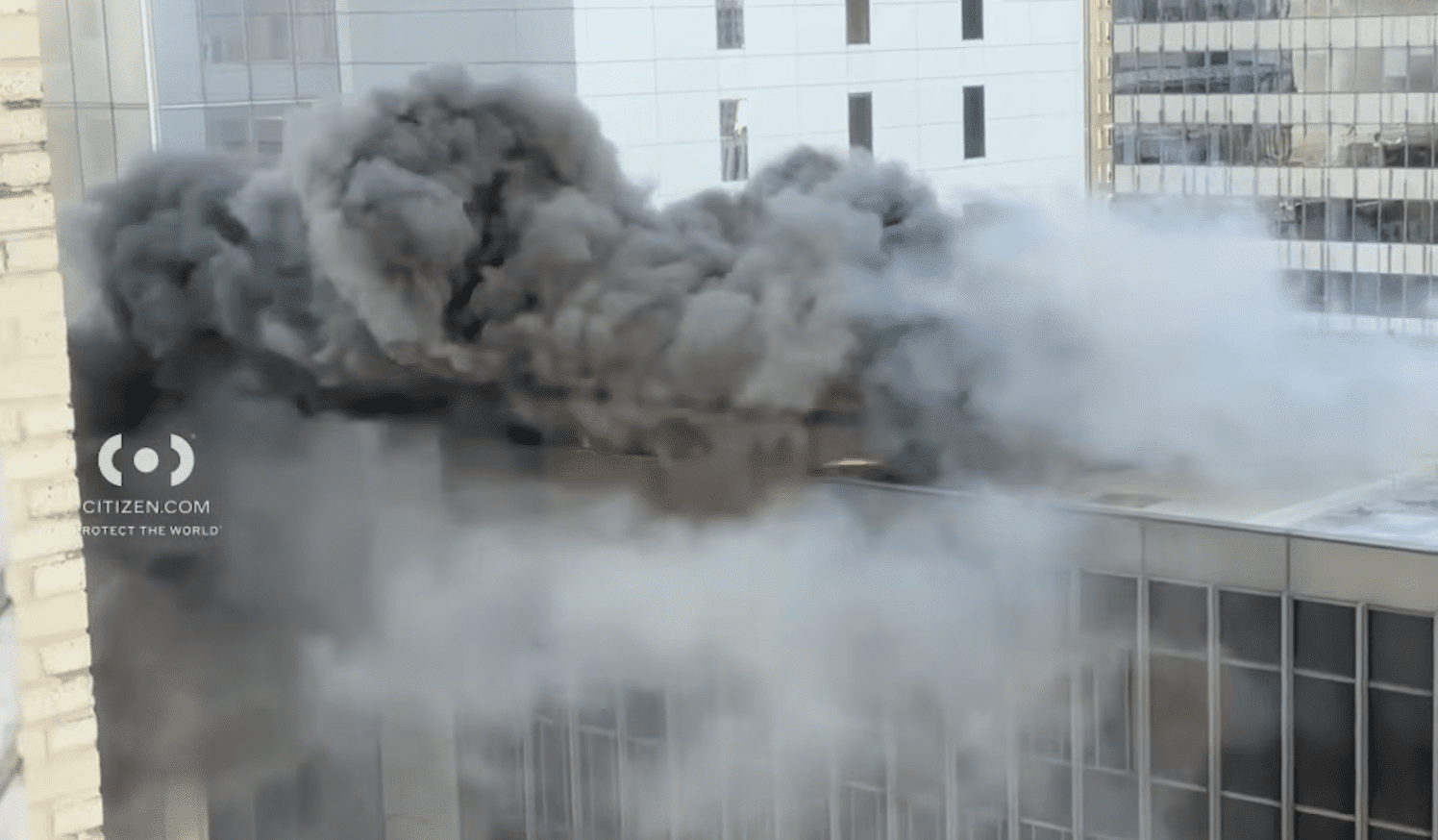
In his remarks, Mamdani referenced the role nurses have played during some of the city’s most traumatic periods, including the September 11 attacks and the COVID-19 pandemic. He emphasized that nurses consistently showed up under dangerous conditions, often without proper personal protective equipment, while many executives and administrators were able to remain off site. “These are the people who ran into the fire, who stayed at the bedside while the world was closing its doors,” Mamdani said, framing the strike as a fight for recognition of the sacrifices nurses have made for decades. By invoking these moments in New York’s recent history, Mamdani underscored what he described as a moral disparity between frontline workers and the executives who oversee hospital operations. The message resonated with striking nurses, many of whom have cited chronic understaffing, burnout, and unsafe conditions as key issues fueling their walkout.
Criticizing Executive Compensation
A central theme of Mamdani’s address was the stark contrast between nurses’ working conditions and the compensation received by hospital executives. He criticized large salaries and bonuses awarded to top hospital administrators while nurses contend with high-stress work, insufficient staffing, and ongoing threats to personal safety. Mamdani framed this pay gap as part of a broader structural problem in healthcare: “When those at the top are making millions while essential workers are forced to risk their lives for inadequate protection, the system is broken,” he said. His remarks also reflected a growing debate in New York and nationwide over healthcare executive pay, unionization, and labor rights. Analysts have noted that hospital profitability often rises even as frontline staff face stagnant wages and understaffed units, fueling tensions between management and medical personnel.
Core Demands Driving the Strike
The nurses’ strike centers on several critical issues, including enforceable staffing ratios to ensure patient safety, improved workplace safety standards, secure pensions, and fair pay and benefits. Mamdani publicly backed these demands, emphasizing that addressing them is not only a matter of labor justice but also of public health. He argued that when nurses are overworked or underprotected, patient outcomes suffer and the healthcare system becomes less resilient during crises. Many of the striking nurses have also cited mental health and burnout concerns as central to their demands. According to union representatives, hospital administrators have been slow to implement solutions despite ongoing negotiations, prompting the walkouts. Mamdani framed this as emblematic of the city’s need to prioritize essential workers over financial and bureaucratic interests.
Connecting Local Strikes to Broader Policy Issues
Mamdani’s presence at the strike highlighted a larger political message about inequality, labor rights, and the structure of healthcare in New York City. By joining striking nurses, he reinforced his alignment with progressive labor policies and called attention to systemic issues in hospital governance, including executive pay structures, profit priorities, and the undervaluing of frontline workers. The strike and Mamdani’s remarks also come at a time of heightened public awareness about healthcare inequities, staffing shortages, and worker safety. Advocates argue that strong labor protections for nurses not only improve working conditions but also ensure safer, higher-quality care for patients across New York City.
Looking Ahead
As negotiations continue, Mamdani’s support for the nurses signals increasing political pressure on hospital leadership. While union representatives have expressed hope for a resolution, they have also made it clear that progress on staffing, compensation, and safety is essential to ending the strike. Mamdani’s public backing adds to the momentum behind the labor action and underscores a broader call for accountability and fairness in New York’s healthcare system. The outcome of this strike could have lasting implications not only for nurses and hospital administrators but for how cities across the United States address labor rights and healthcare priorities in a post-pandemic environment.















































Want to join the conversation?
Create an account or sign in to share your thoughts, vote,
and reply to other readers.
Showing 0 of 0 comments
Don't have an account?
Already have an account?