
The $32 Million Purge of Thomas Massie: How Foreign Lobbying and Trump’s Political Machine Crushed an America First Congressman
Rep. Thomas Massie did not lose his congressional seat because of corruption, scandal, or criminal conduct. He lost because he broke one of the most dangerous unwritten rules in Washington: never stand between America’s foreign policy machine and another Middle East war. The seven term Kentucky Republican was politically executed in the most expensive House primary in American history after roughly $32 million flooded into his district from pro-Israel lobbying groups, billionaire funded super PACs, and Trump aligned political organizations determined to erase one of the few Republicans openly opposing endless foreign intervention.
Massie’s defeat was not merely a local election story. It was a warning shot to every member of Congress.
Support the war agenda. Support foreign aid packages. Support military escalation. Fall in line behind the lobbying networks tied to Israel and the national security establishment. Or prepare to be buried under an avalanche of money. That is what happened in Kentucky.
A Foreign Lobby Helped Decide an American Election
The central issue at the heart of this story is unavoidable: organizations aligned with the political interests of a foreign nation spent extraordinary sums influencing an American congressional race. That is not conspiracy theory. That is documented campaign finance reality.
American Israel Public Affairs Committee and its affiliated super PAC, United Democracy Project, poured millions into defeating Massie. Additional funding came from the Republican Jewish Coalition and billionaire megadonors aligned with both Trump and Israel’s hardline political establishment. Combined with Trump backed super PACs, the spending reached historic levels. Reuters reported the race became the most expensive congressional primary ever recorded in the United States.
This was not about roads, schools, healthcare, or local Kentucky infrastructure. The money was spent because Massie opposed foreign military aid, opposed escalation with Iran, criticized Israel’s war in Gaza, and challenged the political immunity surrounding these issues inside Washington.
That distinction matters.
American voters are increasingly being asked to fund foreign wars, foreign military operations, and foreign geopolitical priorities while their own infrastructure, healthcare costs, wages, and housing crises continue collapsing at home. And when elected officials resist that system, the money machine activates immediately.
Massie’s Real Offense Was Refusing to Fall in Line
Massie has long operated as an anti-interventionist libertarian conservative. He repeatedly opposed foreign aid packages regardless of the recipient country and consistently warned against dragging the United States deeper into overseas conflicts. Following the October 7 attacks and the war in Gaza, Massie became one of the few Republicans willing to publicly challenge bipartisan consensus around unconditional military support for Israel.
He voted against massive military aid packages. He introduced legislation aimed at preventing unauthorized U.S. military involvement against Iran. He openly questioned why American taxpayers should continue financing foreign wars while the national debt spirals toward catastrophe. And perhaps most importantly, he challenged the political influence structure itself. Massie introduced legislation designed to force greater transparency around lobbying groups operating on behalf of foreign policy interests. That crossed a line. Suddenly, one of the most conservative districts in America became ground zero for a national political extermination campaign.
Trump Joined the Attack
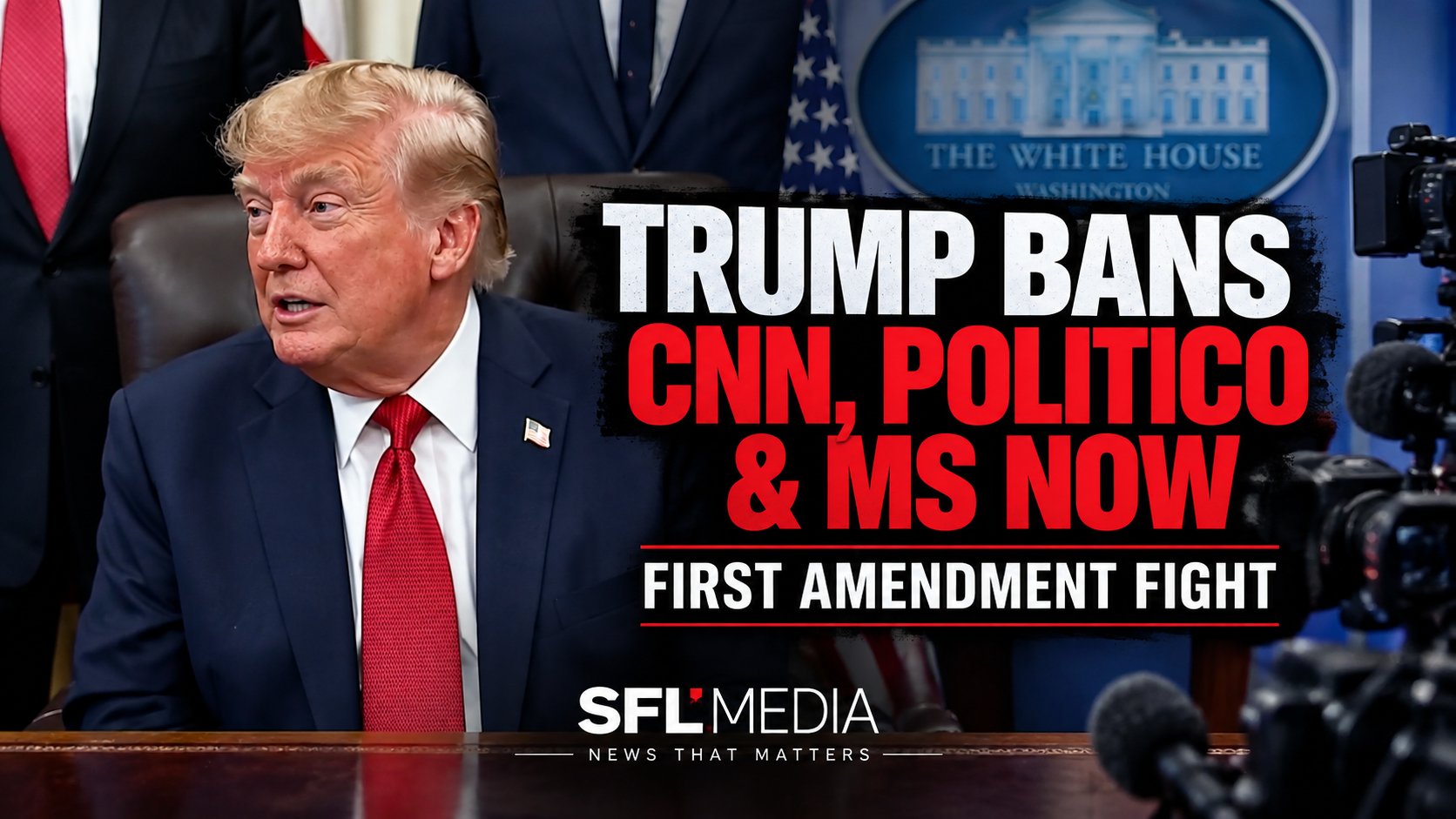
What made the race even more extraordinary was the direct involvement of Donald Trump and his political apparatus. Trump publicly attacked Massie repeatedly after the congressman opposed portions of Trump backed spending and legislative priorities. Trump reportedly called him “an obstructionist” and backed challenger Ed Gallrein aggressively heading into the primary.
Trump aligned super PACs then unleashed millions more into Kentucky. The irony was impossible to ignore. For years, Trump built his political brand around “America First” nationalism, anti-war rhetoric, and opposition to foreign entanglements. Yet in one of the clearest tests of those principles, his political machine aligned directly with the same interventionist lobbying ecosystem that many populist voters claim to oppose.
Massie, meanwhile, was warning against exactly the kind of foreign conflict many Americans fear most: another catastrophic Middle East war involving Iran.
The Cost of Endless War
Critics of U.S. and Israel policy are often accused of extremism simply for asking basic questions. Why are American taxpayers expected to endlessly subsidize one of the most technologically advanced militaries on Earth? Why does Congress move faster to approve foreign military aid than domestic healthcare reform? Why are American troops constantly positioned as potential participants in conflicts that overwhelmingly benefit geopolitical interests overseas rather than ordinary American families?
Israel has universal healthcare. Israel provides extensive public social benefits. Israel receives enormous military assistance and strategic protection from the United States. Meanwhile, millions of Americans struggle with medical debt, unaffordable housing, collapsing infrastructure, and stagnant wages. That contradiction is becoming politically radioactive. And it is precisely why the Massie race matters beyond Kentucky.
A Chilling Message to Congress
Massie’s defeat sent a brutally clear signal through Washington:
If you oppose the foreign policy consensus surrounding Israel, Gaza, Iran, or military aid, massive outside money can be deployed against you instantly. Not gradually. Not subtly. Instantly. The implications for democratic representation are enormous. Members of Congress are supposed to answer primarily to American citizens and their own districts. But the modern super PAC era has created a system where outside ideological and foreign policy driven money can overwhelm local politics entirely. That reality is fueling growing bipartisan anger over foreign lobbying influence in Washington.
Even Americans who strongly support Israel should be able to recognize the danger of any foreign policy aligned lobbying apparatus possessing this level of financial leverage over U.S. elections. Because once democratic systems become dominated by outside money tied to geopolitical interests, elected officials stop representing voters and start representing survival.
Massie’s Final Shot
After conceding defeat, Massie delivered one of the most explosive remarks of the entire campaign.
“For 14 years, those SOBs in Washington tried to buy my vote. They couldn’t buy it. Why did the race get so expensive? Because they decided to buy the seat.”
That quote may ultimately become the defining summary of the entire race. Not because everyone agrees with Massie politically. But because millions of Americans increasingly believe Washington itself is no longer functioning as an independent representative government. They see a political system drowning in super PAC money, billionaire influence, defense contractor pressure, intelligence community narratives, and foreign policy lobbying networks capable of reshaping elections at will. Kentucky’s primary did not create that fear. It confirmed it.
Sources
• Reuters Coverage of the Kentucky Primary Spending War
• Axios Report on the Most Expensive House Primary in U.S. History
• Massie Congressional Statement on War Powers and Iran
• Department of Justice Foreign Agents Registration Act Overview

















































Want to join the conversation?
Create an account or sign in to share your thoughts, vote,
and reply to other readers.
Showing 0 of 0 comments
Don't have an account?
Already have an account?