
South Korea Intros Government-Funded Dating Events
South Korea has become one of the world’s most fascinating case studies in government intervention as officials attempt to reverse a demographic crisis unlike anything seen in modern history. Faced with the world’s lowest fertility rate and a rapidly aging population, national and local governments have begun sponsoring dating events, matchmaking programs, and even romantic retreats in an effort to encourage young adults to meet, marry, and eventually start families. While the idea of taxpayer-funded dating may sound unusual to many Westerners, South Korean officials view it as part of a much larger strategy to address what they consider a national emergency.
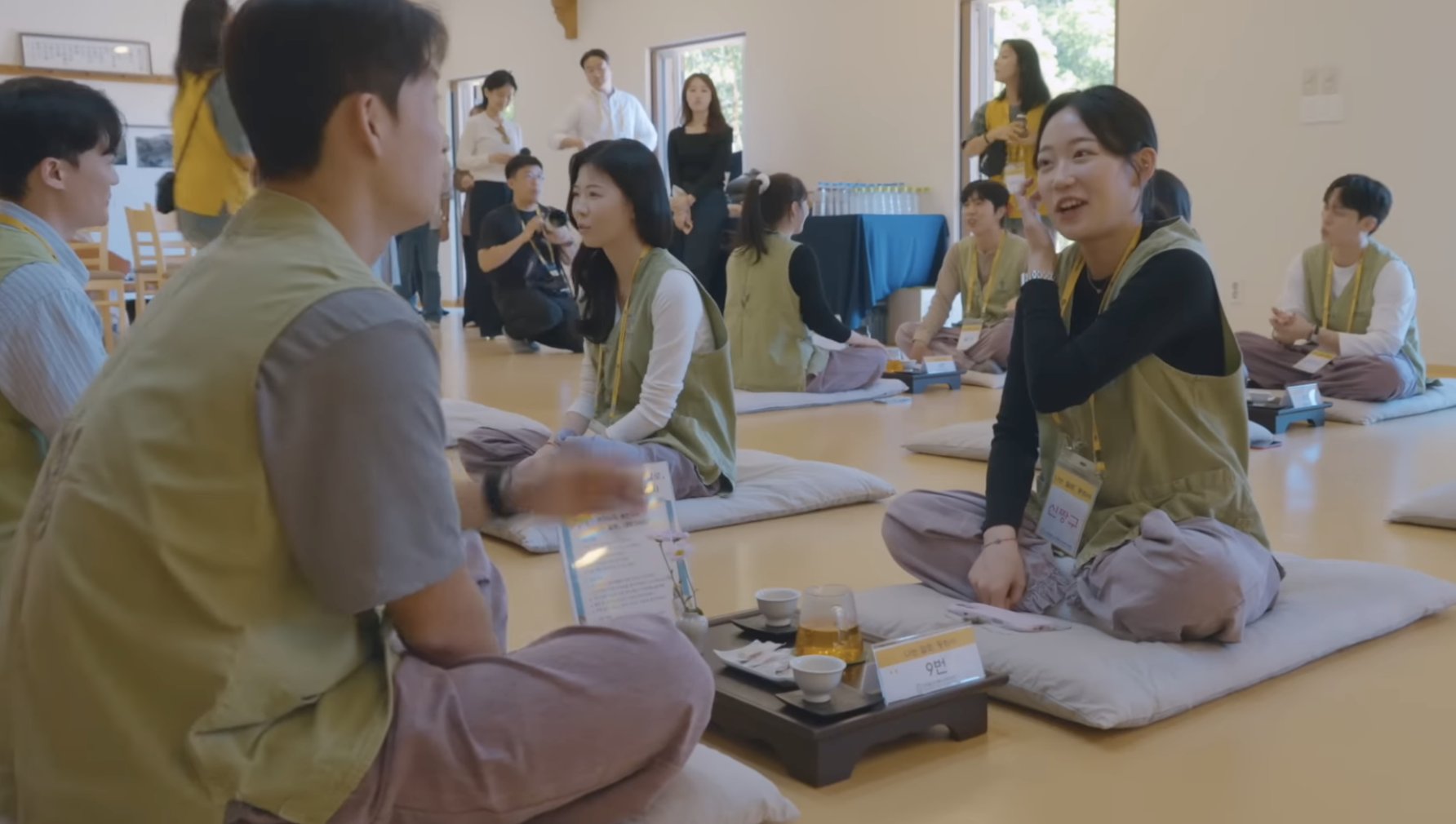
The latest example comes from a unique matchmaking retreat held at the historic Naksansa Buddhist Temple on South Korea’s northeastern coast. Organized by the Korean Buddhist Foundation for Social Welfare, the two-day event brings together carefully selected single men and women in their 20s and 30s. Rather than speed dating in a noisy bar, participants spend time engaging in trust-building exercises, tea ceremonies, beach yoga, guided conversations, temple tours, and one-on-one dates under the peaceful guidance of Buddhist monks.
One exercise has blindfolded participants relying entirely on a partner to safely guide them through the temple grounds, encouraging communication and trust from the very beginning. The program has exploded in popularity since launching in 2023. This year’s retreat attracted more than 4,200 applicants for only 20 available spots, illustrating just how many young South Koreans are searching for meaningful relationships outside of traditional dating apps. The most recent event concluded with five successful couples being matched.
This is Not Just About Love, But Fertility and the Future Economy
These programs are not simply about romance. They are designed to combat a demographic collapse that has worried economists and policymakers for years. South Korea’s fertility rate has remained well below the replacement level needed to maintain its population, falling to historic lows before showing modest improvement over the past year. Even with that slight rebound, officials project that the country’s population could shrink dramatically over the coming decades if current trends continue.
A declining workforce means fewer taxpayers, slower economic growth, increased pension costs, and mounting pressure on healthcare and social welfare systems as the population ages. Officials increasingly view declining marriage rates as one of the central drivers of the problem because, in South Korea, most births still occur within marriage.
Government-sponsored dating is only one piece of a much broader effort. South Korea has spent billions of dollars over nearly two decades on policies intended to encourage family formation, including housing assistance, childcare subsidies, parental leave, financial incentives for newlyweds, and direct payments for families with children. Local governments have added their own creative approaches, hosting speed-dating events, matchmaking festivals, and singles mixers. The hope is that reducing the barriers to meeting a compatible partner will eventually translate into more marriages and, ultimately, more children.
Supporters vs. Critics: What Both Have to Say
Supporters argue there are real merits to these dating initiatives. Many young South Koreans work extremely long hours, making it difficult to meet potential partners through traditional social circles. Others have become frustrated with online dating, where superficial interactions often replace genuine connections. Structured matchmaking events allow participants to meet people who are serious about long-term relationships in a safe, organized environment.
The temple setting also removes much of the pressure associated with modern dating by emphasizing conversation, shared experiences, and personal reflection rather than appearances alone. Programs like these may also help reduce loneliness while encouraging stronger social bonds, even if not every participant finds a romantic partner.
Critics, however, question whether the government is addressing the real causes behind South Korea’s declining birthrate. Many experts argue that young adults are avoiding marriage not because they cannot meet someone, but because of soaring housing prices, intense workplace expectations, expensive education costs, job insecurity, and the financial burden of raising children.
Others point to changing social attitudes, with more young people choosing independence over marriage or rejecting traditional gender roles that often place a disproportionate burden on women after marriage. From this perspective, organizing dating events treats the symptom rather than the disease. If economic pressures remain unchanged, simply introducing more single people to one another is unlikely to produce a dramatic baby boom.
Despite the criticism, the popularity of these government-backed dating programs demonstrates that many South Koreans still want meaningful relationships. The overwhelming demand for the temple retreat suggests there remains a large population of young adults interested in finding a life partner but looking for alternatives to dating apps and increasingly isolated modern lifestyles.
Whether these events ultimately have a measurable impact on marriage or birth rates remains to be seen, but they have already succeeded in generating conversation about one of South Korea’s greatest long-term challenges. In a country where demographic decline has become a national concern, officials appear willing to experiment with almost any idea that might help people find love, build families, and secure the nation’s future.




















































Want to join the conversation?
Create an account or sign in to share your thoughts, vote,
and reply to other readers.
Showing 0 of 0 comments
Don't have an account?
Already have an account?