
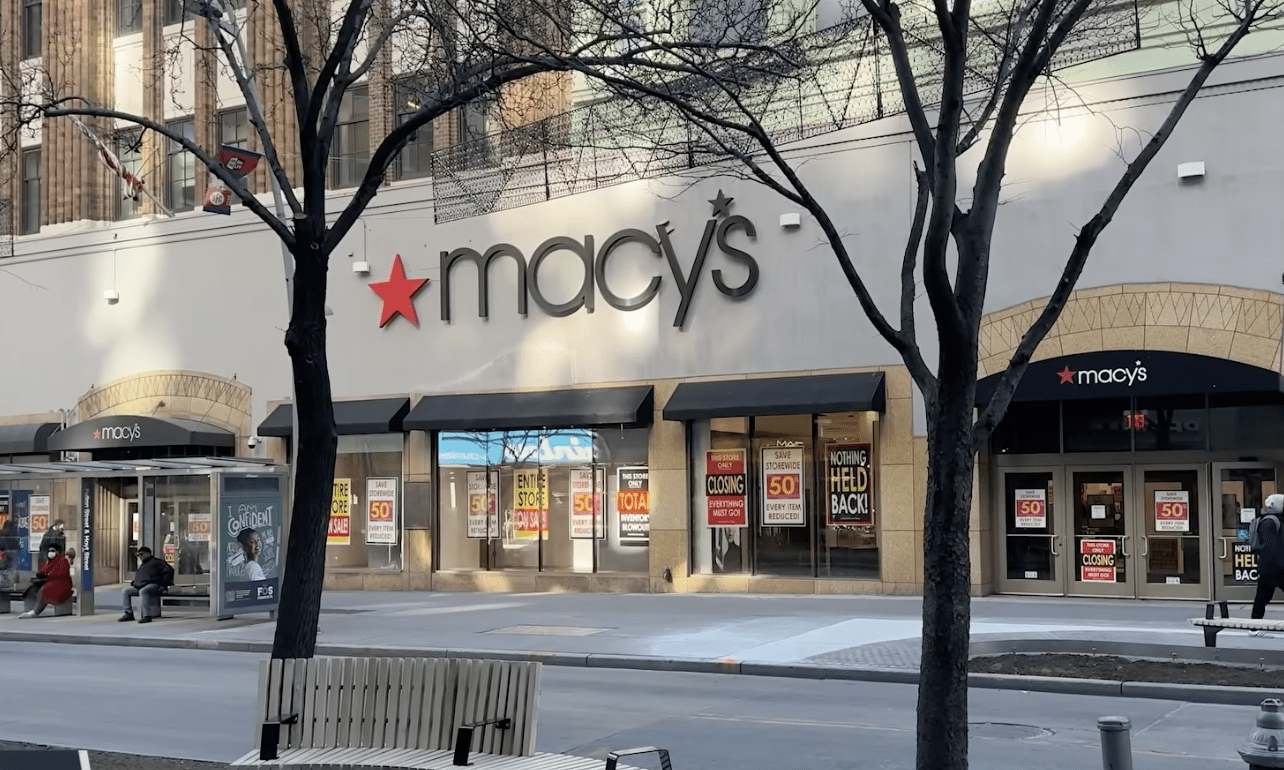
Macy’s Department Store
Macy’s, the iconic American department store, is betting on a revival at a time when the sector has struggled to hold onto the middle-class shopper. As malls shrink and online retail dominates, the challenge for Macy’s is to redefine what a department store means in the 2020s. Under CEO Tony Spring, the company is attempting not just to survive, but to reclaim a position at the center of American retail.
A New Vision for an Old Icon
Tony Spring, who took the helm of Macy’s in 2021, has emphasized a transformation of the brand beyond traditional retail. He has pushed for a mix of experiential shopping, digital integration, and curated product offerings designed to appeal to a broader demographic while retaining loyal customers. Macy’s stores now feature more localized merchandise, in-store events, and technology-driven experiences such as augmented reality mirrors and seamless mobile checkout. Spring believes that department stores must be more than places to shop they must be destinations. In an interview, he said, “We are trying to make Macy’s a place where people want to spend time, not just money.” This philosophy marks a significant departure from the decades-long trend of treating stores as primarily transactional spaces.
The Middle-Class Challenge
Department stores like Macy’s have traditionally thrived on middle-class spending. But in recent years, rising costs, changing lifestyles, and the convenience of e-commerce have weakened that relationship. Retail historian Michael Lisicky notes that the decline of department stores is tied not only to competition from online giants but also to the erosion of the middle-class consumer base. “Department stores historically served as the community’s hub for affordable fashion and home goods,” Lisicky explains. “As wage growth stagnated and shopping habits shifted online, that hub lost relevance.” Former Sears executive Mark Cohen emphasizes that winning back these shoppers requires more than nostalgia. “It’s about delivering value, convenience, and a reason to visit in person,” he says. “Consumers are no longer loyal just because a brand has history—they want experiences and efficiency that fit their lives.”
Betting on Experience and Community
Macy’s is doubling down on experiential offerings. Stores are hosting events ranging from cooking demonstrations to wellness workshops, and integrating local artisans and brands into their merchandising. The company has also expanded its digital platform, aiming to blur the line between online and in-store shopping. Customers can now check inventory, reserve items, and receive personalized recommendations seamlessly through the Macy’s app. The strategy is not without risk. Retail experts caution that department stores cannot simply replicate the model of boutique or fast-fashion chains. Cohen notes that “Macy’s has to find a balance between scale and personalization, or it risks being neither efficient nor compelling.”
Can Macy’s Lead the Revival?
While Macy’s is one of the few department stores attempting a serious reinvention, the question remains whether this approach can revive the sector as a whole. Lisicky is cautiously optimistic: “If Macy’s succeeds in reestablishing itself as a community and experiential hub, it could set a blueprint for other department stores. But it requires deep understanding of today’s consumers and a willingness to innovate at every level.” The stakes are high. For decades, department stores have symbolized middle-class aspirations. As Macy’s reinvents itself under Spring’s leadership, it is not just saving a company—it may be attempting to save an entire retail institution.

















































Want to join the conversation?
Create an account or sign in to share your thoughts, vote,
and reply to other readers.
Showing 0 of 0 comments
Don't have an account?
Already have an account?