
Carl Cox at Ultra Miami 2026: No Gimmicks, Just Total Control
“Oh yes, Miami… the real energy lives right here.” — Carl Cox
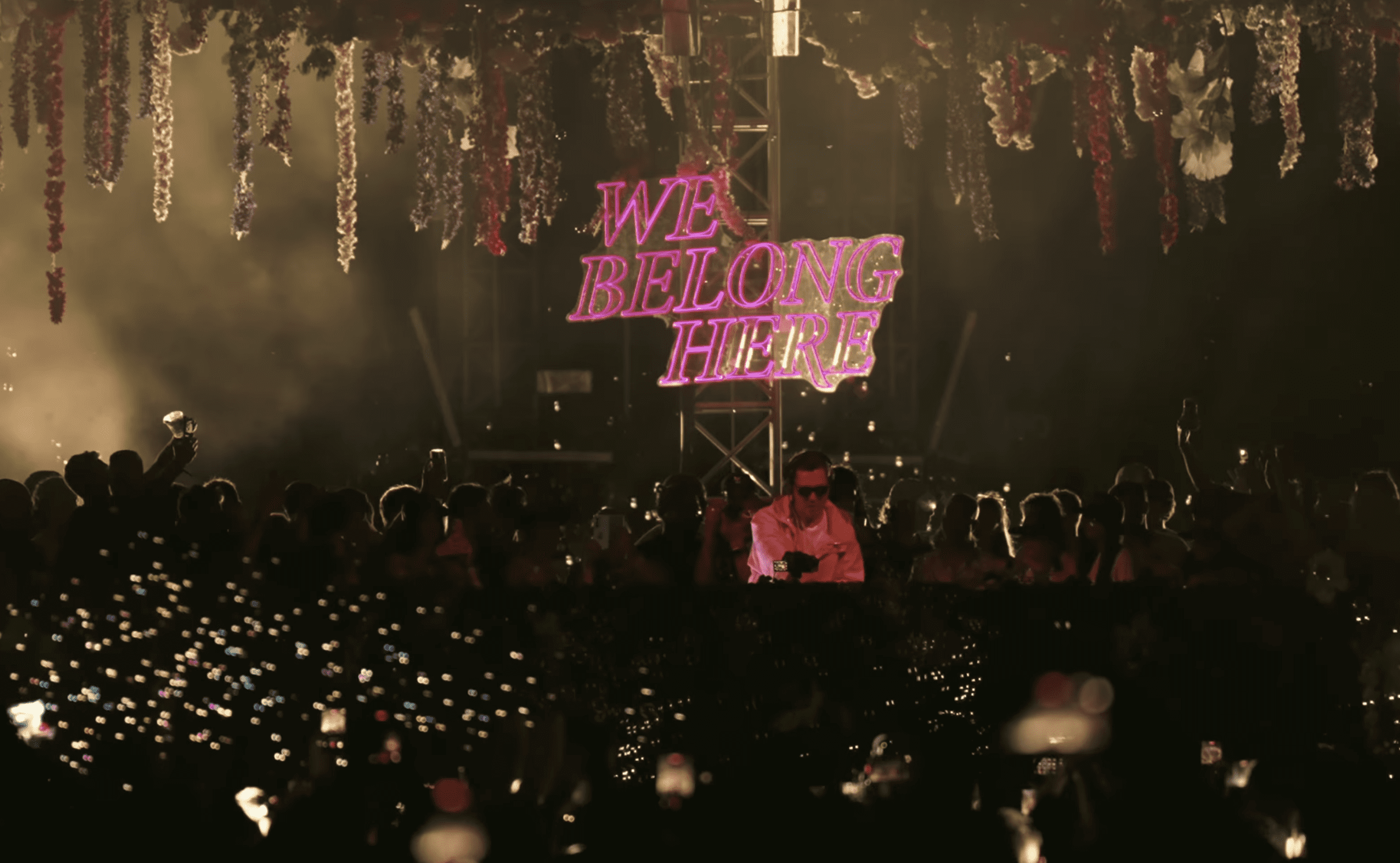
At a festival increasingly driven by spectacle, social clips, and compressed headline sets, Carl Cox walked into Ultra Music Festival 2026 and did something few artists can still pull off, he slowed everything down and took complete control. Inside the RESISTANCE Megastructure, where Ultra’s underground credibility still lives, Cox delivered a full length set that wasn’t built for viral moments. It was built for command. Over the course of hours, he turned the space into something closer to a controlled environment than a typical festival stage, locking the crowd into a rhythm that never felt rushed, never felt forced, and never broke. This wasn’t nostalgia. It was precision at the highest level.
A Set Built on Patience, Not Drops
From the opening stretch, Cox avoided the trap that defines most modern festival performances. There were no immediate peaks, no overproduced drops designed for reaction. Instead, he leaned into minimal, driving techno clean, deliberate, and layered with intent. The progression mattered. Tracks were introduced slowly, often stripped down to their core elements before expanding into something heavier. Basslines carried the weight. Percussion tightened the structure. When vocals appeared, they weren’t there to dominate, they were there to shift the mood before the next phase. At multiple points, Cox deliberately pulled energy out of the room, reducing tracks to almost nothing before rebuilding them piece by piece. That reset is where most DJs lose a crowd. Cox uses it to gain more control.
The Megastructure Still Has a Center
Ultra has spent years evolving bigger mainstage acts, broader audiences, more crossover appeal. But inside the Megastructure, the identity hasn’t drifted. Carl Cox is still the anchor. Surrounded by some of the most technically skilled artists in techno, he remains the one who dictates the tempo of the entire space. Not because of branding or history, but because of execution. His ability to read a crowd in real time, to stretch a moment or accelerate it without losing cohesion, separates him from the rest of the lineup. It’s not about being louder. It’s about being in control longer than anyone else can sustain.
A Performance That Doesn’t Chase Attention
Ultra 2026 had no shortage of headline moments, high profile reunions, mainstage spectacles, and sets engineered for social media replay. Cox moved in the opposite direction. No gimmicks. No forced crowd interaction. No shortcuts. Just a continuous, evolving mix that demanded attention instead of begging for it. That approach matters more now than it ever has. As festivals become more commercial and more fragmented, sets like this are becoming rare. They require time, trust from the audience, and an artist willing to resist the pressure to perform for clips instead of people. Cox doesn’t adapt to that pressure. He ignores it.
Ultra 2026 will be remembered for a lot, record-low arrests, increased policing, and ongoing debates about the festival’s impact on Miami. But inside the Megastructure, none of that existed. For a few hours, it was just structure, sound, and control. That’s what Carl Cox delivered. And in a festival environment that’s constantly evolving, and not always for the better, that kind of consistency isn’t just impressive. It’s necessary.


















































Want to join the conversation?
Create an account or sign in to share your thoughts, vote,
and reply to other readers.
Showing 0 of 0 comments
Don't have an account?
Already have an account?