
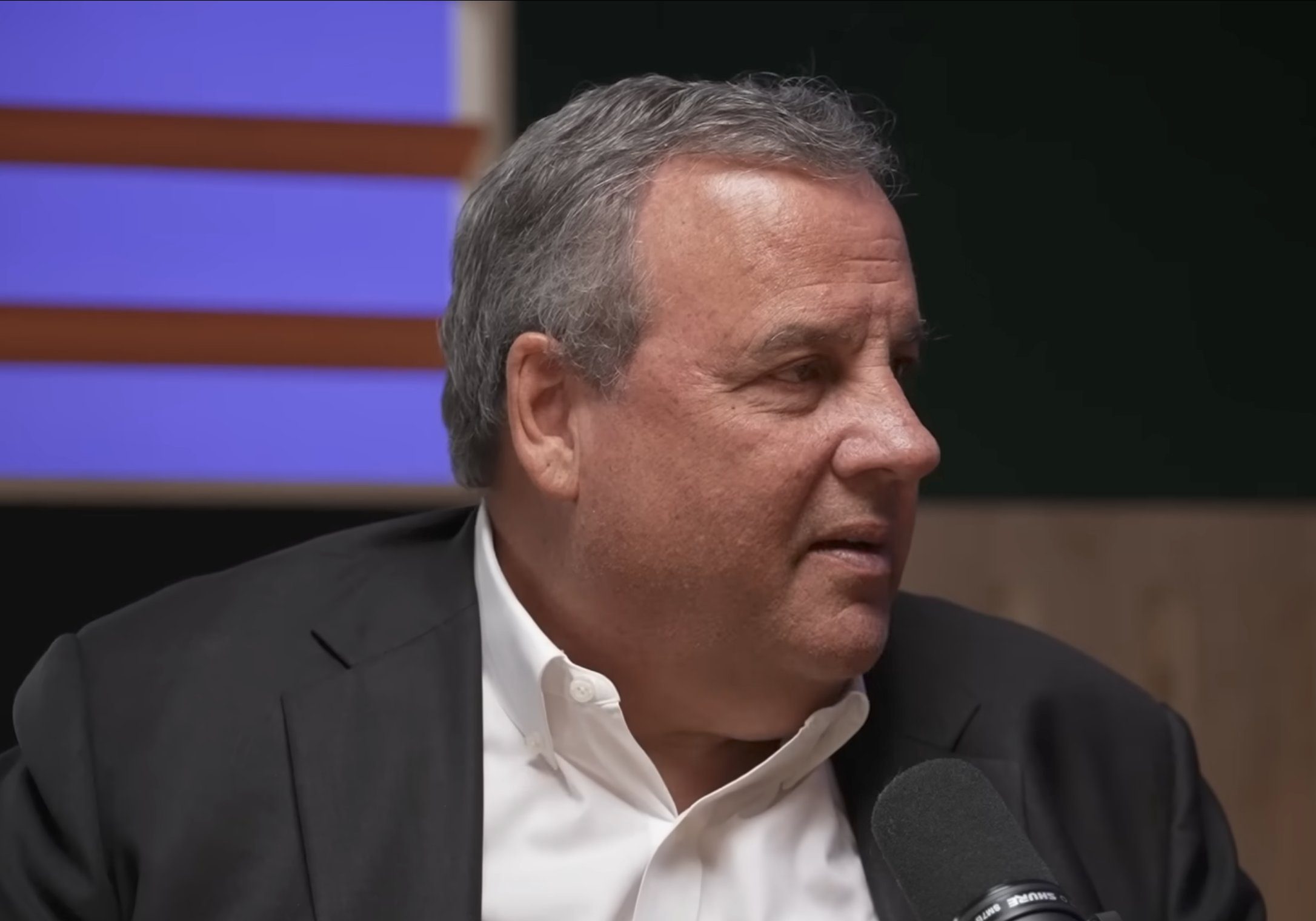
Christie Says Reprehensible Kushner Settled a Score and It Cost Him a White House Role
A former governor, a federal prosecution, a family feud, and a White House power struggle, Chris Christie is now openly saying what many suspected for years: his fall inside Trump world wasn’t politics. It was payback.
In a new interview, former New Jersey Governor Chris Christie claims that Jared Kushner played a direct role in forcing him out as chairman of Donald Trump’s 2016 transition team, not over strategy, but over something far more personal. According to Christie, Kushner never forgot what happened more than a decade earlier, when Christie prosecuted his father.
The Case That Started It All
The origin of this conflict goes back to 2004, when Christie was serving as U.S. Attorney for New Jersey. He led the prosecution of Charles Kushner, a powerful real estate developer and political donor. The charges were serious, tax evasion, illegal campaign contributions, and witness retaliation. But it was the nature of that retaliation that made the case infamous.
Charles Kushner hired a prostitute to seduce his brother-in-law, secretly recorded the encounter, and sent the tape to his own sister, an attempt to intimidate her from cooperating with federal investigators.
He ultimately pleaded guilty to multiple felony counts and served time in prison. Christie has repeatedly described it as one of the most disturbing cases he handled.
A Grudge Carried Into the White House
Fast forward to 2016. Christie was initially tapped to lead Trump’s transition team, one of the most important roles in shaping a new administration. But according to Christie, Kushner immediately objected, confronting Trump directly and arguing he should never have been prosecuted. Christie says Kushner went as far as calling him immoral and insisted the case should have been handled privately.
“Your father pled guilty to all 18 counts.”
That was Christie’s reported response in the room. Despite the tension, Trump initially kept Christie in the role. But that didn’t last.
“I Know It Was Jared”
Christie now says his removal wasn’t a mystery, it was a campaign.
“I know it was Jared,” Christie said, adding that both Trump and Steve Bannon confirmed Kushner pushed for his firing.
The implication is clear: a federal prosecution carried out years earlier followed Christie into the highest levels of government and ultimately cost him his position.
Christie’s Full Account: “Reprehensible”
In his conversation with Michael Moynihan and Matt Welch, Christie didn’t hold back when describing the Kushner family dynamic. Gov. Chris Christie told the hosts the story begins with campaign finance fraud and spirals into one of the strangest scandals in modern political history, involving a prostitute, a motel sting, and an attempt to blackmail a family member. He argued that Jared Kushner is simply a softer spoken version of his father, and described the father son duo as “reprehensible.” That framing makes clear this isn’t just political disagreement, it’s deeply personal, rooted in a case Christie believes justified everything that followed.
The Pardon That Closed the Loop
The story didn’t end there. In 2020, Trump issued a full pardon to Charles Kushner, a move widely criticized at the time, including by Christie himself. To critics, the pardon looked like more than clemency. It looked like the final chapter in a long-running effort to erase the consequences of that original case. Christie has argued the pardon was wrong and suggested it was driven by family influence inside the White House.
What This Says About Power in Trump World
This isn’t just a personal feud. It’s a window into how power operated inside Trump’s orbit, where loyalty, family ties, and personal history often carried as much weight as policy or qualifications. In this version of events, a federal prosecutor did his job and years later, paid for it politically.
Christie’s claim cuts straight to a larger truth: in Trump-era politics, the line between justice and revenge was often blurred. And if a prosecution from 2004 could echo all the way into a White House firing in 2016, it raises a bigger question that still lingers today. How much of American governance was driven by policy… and how much was driven by payback?















































Want to join the conversation?
Create an account or sign in to share your thoughts, vote,
and reply to other readers.
Showing 0 of 0 comments
Don't have an account?
Already have an account?