
Qatar Strike Shows Trump’s Pattern of Burning Allies
A Strike in Doha
Israel’s airstrike in Doha marked a dangerous escalation of the Gaza war. Hamas said five of its members were killed, including the son of senior negotiator Khalil al-Hayya, while Qatar confirmed one of its internal security officers was killed and others wounded. Israel said the target was top Hamas leadership, while Hamas insisted its senior figures survived. The strike came one day after Hamas claimed responsibility for a shooting in Jerusalem that killed six civilians.
Qatar’s government condemned the attack as a violation of sovereignty and warned that “there must be a response.” Prime Minister Sheikh Mohammed bin Abdulrahman al-Thani called the strike “betrayal” and pledged that Doha would take “all necessary measures” to respond.
U.S. Caught in the Middle
The Trump administration scrambled to contain the fallout. Trump said the U.S. military received a warning just before the strike but denied Washington had approved or coordinated it. He criticized Israel for hitting inside a U.S. ally’s capital, saying it “does not advance Israel or America’s goals,” but praised the elimination of Hamas operatives as a “worthy goal.”
Trump also claimed he instructed envoy Steve Witkoff to alert Qatar ahead of time, but Doha contradicted that account, saying the U.S. call came only after explosions were already shaking the capital. Two U.S. officials later confirmed Israel had notified Washington shortly before the attack, but stressed there was no coordination or approval.
Netanyahu’s Justification
Prime Minister Benjamin Netanyahu defended the strike as retaliation for the Jerusalem bus stop attack and the deaths of four Israeli soldiers in Gaza. “The days are over when terror leaders can enjoy immunity of any kind,” Netanyahu said. Israeli officials acknowledged they were still assessing whether any of the intended Hamas leaders were killed.
A History of Betrayals
For Qatar, the attack is particularly galling. The country has hosted delicate negotiations on ceasefires and hostage releases, positioning itself as one of Washington’s most valuable diplomatic partners in the region. To see residential buildings in its capital bombed by Israel while Trump was in office underscores a pattern: Trump often leaves allies exposed when it serves his interests.
That pattern is not hypothetical. In 2017, Trump revealed Israeli-sourced classified intelligence to Russian officials in the Oval Office, rattling one of America’s closest partners. In 2019, his abrupt withdrawal from northern Syria abandoned U.S.-aligned Kurdish fighters to a Turkish assault, a move condemned across the political spectrum as a betrayal. And in the private sphere, Trump’s circle benefited from a controversial 2018 bailout of Jared Kushner’s Manhattan property by a firm heavily backed by Qatar’s sovereign wealth fund raising questions about conflicts of interest and shifting loyalties.
Escalation Risks
Qatar is no minor player. It hosts the largest U.S. military base in the Middle East, serves as a financial and political hub, and has been central to brokering talks with Hamas. By striking in Doha, Israel has crossed a line that risks dragging Gulf states further into the conflict and straining Washington’s alliances.
Qatar’s warning that there “must be a response” is not symbolic. It is a signal that Israel’s Gaza war is spilling into new territory with potentially explosive consequences. If Doha acts on its threats whether through diplomatic retaliation, security measures, or direct confrontation, the conflict could widen into a regional war that neither the United States nor its allies are prepared to control.
The Bottom Line, Trust Trump at Your Own Risk
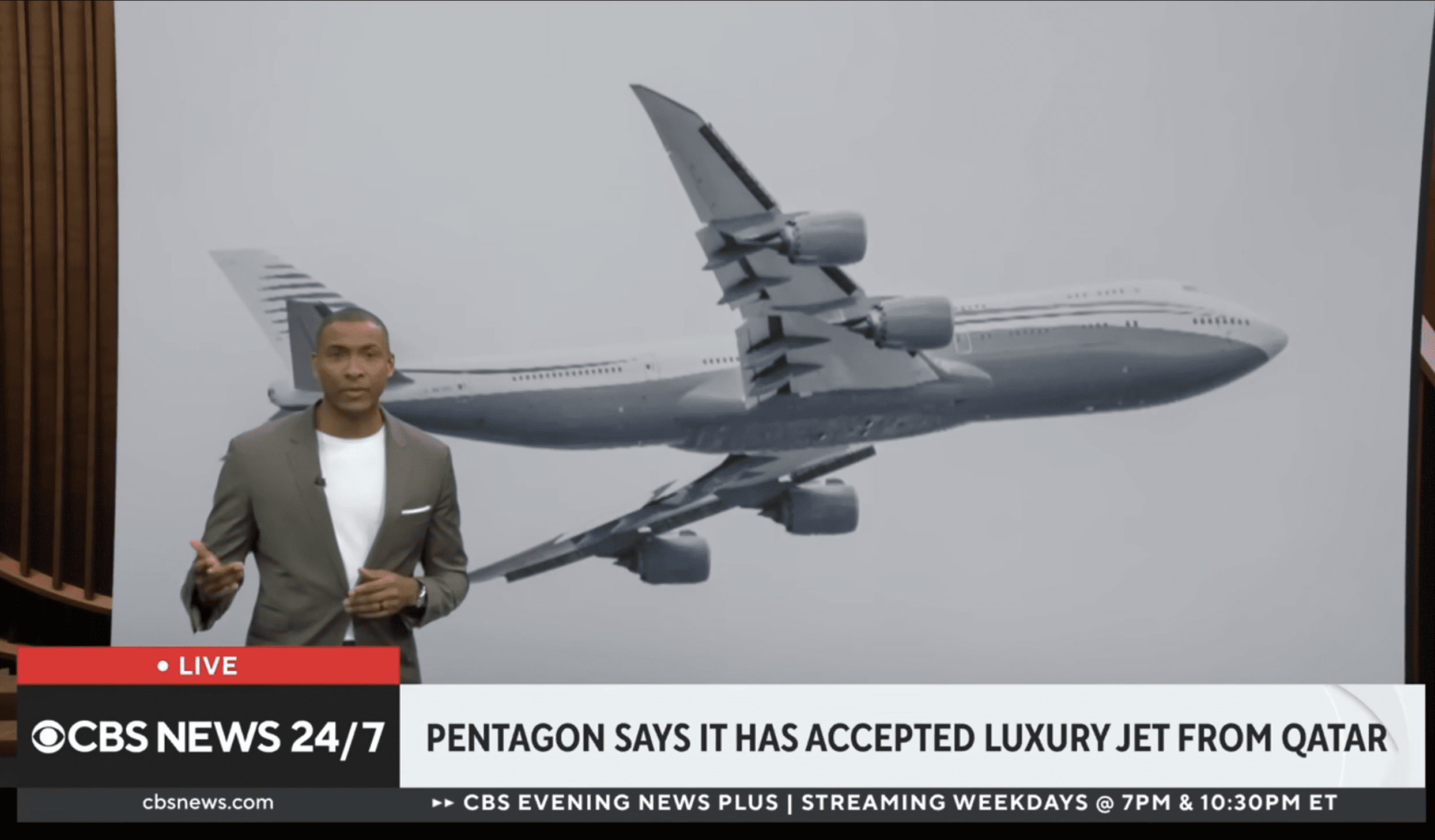
The strike in Qatar highlights Israel’s willingness to hit beyond Gaza and Trump’s inability to protect even America’s closest partners. For U.S. allies watching from Gulf monarchies to Silicon Valley tech leaders the message is clear: Trump’s loyalty is not for sale. Qatar poured extraordinary resources into cultivating a relationship with Trump, even gifting a half a billion-dollar plane as a gesture of goodwill, and still found itself bombed while hosting delicate negotiations that directly served U.S. interests. If even that kind of largesse could not buy protection, nothing can.
Trump has shown time and again that he will abandon allies the moment it suits him. From leaking Israeli intelligence to Russia, to leaving Kurdish partners exposed in Syria, to standing idle as Qatar’s capital was bombed, the pattern is undeniable. Not even a billion dollars is enough to guarantee Trump’s loyalty. When the chips are down, he will always put his short-term political survival and financial interests above any friend, partner, or ally. And those who believe otherwise are deluding themselves.
Sources
- Reuters – Israeli strike in Qatar targets Hamas leaders, U.S. notified shortly before
- Associated Press – Trump, Qatar, and fallout from Israeli strike
- ABC News – Hamas says Israel tried to assassinate negotiation team in Qatar strike
- Al Jazeera – Hamas leaders survive Israeli strike in Qatar
- European Union – EU condemns Israeli strike in Qatar
- United Nations – Secretary-General statement on Israeli strike in Qatar
- Washington Post – Trump revealed Israeli intelligence to Russians (2017)
- UK Commons Library – U.S. Syria pullback and Turkish incursion (2019)
- U.S. Senate Finance Committee – Wyden letter on Brookfield/Qatar and 666 Fifth













































Want to join the conversation?
Create an account or sign in to share your thoughts, vote,
and reply to other readers.
Showing 0 of 0 comments
Don't have an account?
Already have an account?