
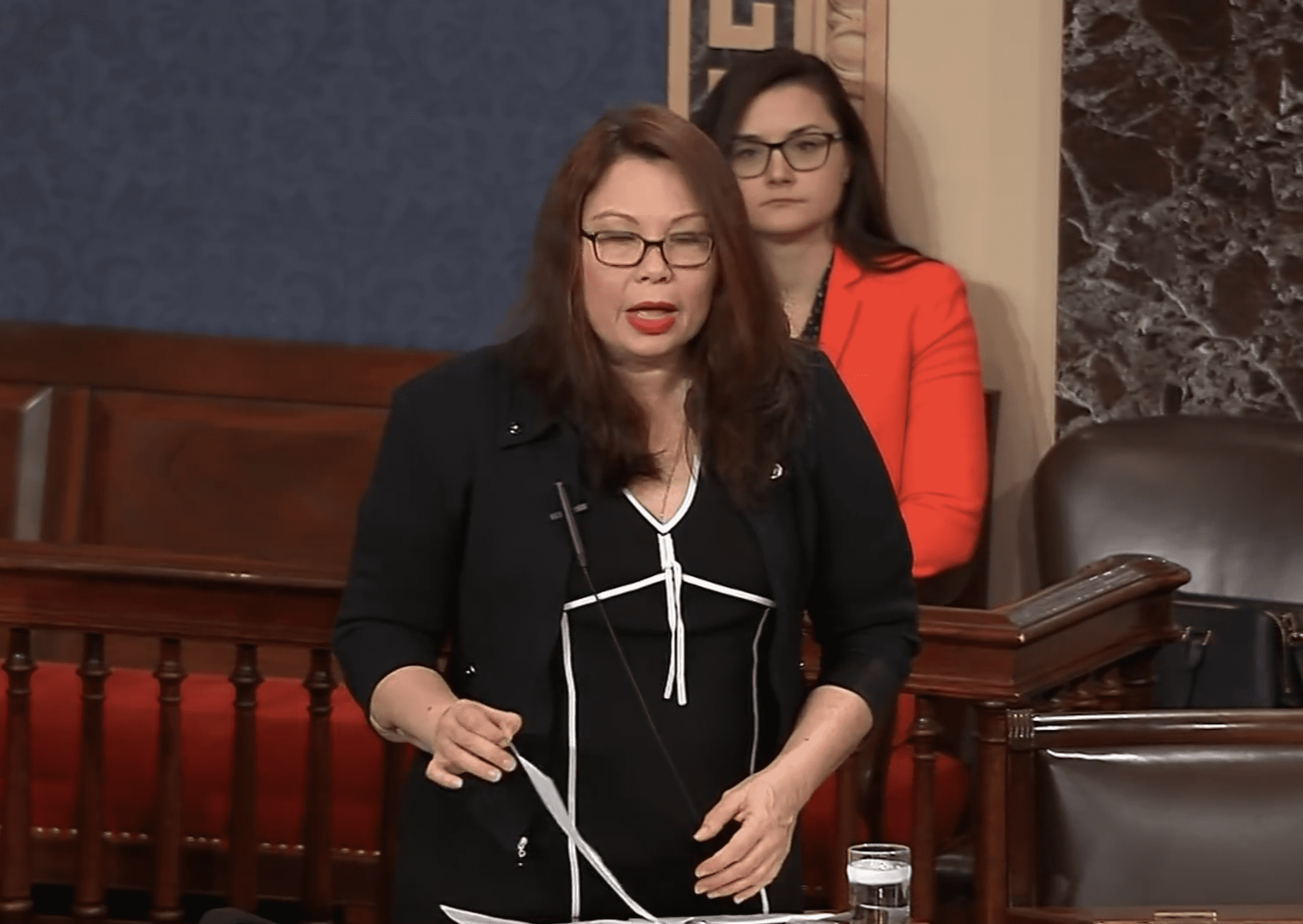
CIA whistleblower James Erdman III testified before the Senate Homeland Security & Governmental Affairs Committee
A new whistleblower testimony tied to the U.S. intelligence community is reigniting one of the most explosive debates of the modern era: did American officials help suppress evidence that COVID-19 originated from a lab in China?
The allegations, delivered by a career CIA operations officer assigned to the Director’s Initiatives Group under Director of National Intelligence Tulsi Gabbard, accuse senior intelligence and public health officials of downplaying the Wuhan lab leak theory, retaliating against analysts who supported it, and shaping public messaging to steer the world away from investigating China’s potential responsibility for the pandemic.
The testimony does not provide definitive proof that COVID-19 came from a laboratory. The scientific and intelligence debate over the virus’s origins remains unresolved publicly. But the accusations are politically explosive because they suggest elements inside the U.S. government may have actively influenced intelligence analysis and public perception surrounding the issue.
And if the lab leak theory were ultimately proven true beyond reasonable doubt, the geopolitical and economic consequences would be staggering.
The Alleged Cover Up
According to the whistleblower, intelligence analysts who supported a stronger assessment favoring a laboratory incident in Wuhan faced retaliation inside the CIA in 2023. The testimony alleges that analysts objected after what was described as a “middle of the night anonymous rewrite” downgraded a “high confidence” lab leak conclusion into what became a less definitive assessment.
The whistleblower further claims senior officials failed to properly inform policymakers about the strength of evidence supporting the possibility of a laboratory origin. Those allegations add fuel to years of criticism that the lab leak theory was prematurely dismissed early in the pandemic despite serious questions surrounding the Wuhan Institute of Virology and its coronavirus research programs.
The FBI and the Department of Energy have both previously indicated that a laboratory associated origin is plausible, though confidence levels and conclusions have varied across agencies. China has repeatedly denied the theory and continues to insist COVID-19 emerged naturally.
Allegations Against Fauci and Scientific Networks
The testimony also revives long running controversy surrounding Anthony Fauci. The whistleblower alleges Fauci and figures within his scientific orbit helped shape the pool of experts consulted by intelligence officials, favoring voices hostile to the lab leak theory while sidelining dissenting analysis.
The testimony further alleges that definitions surrounding “gain of function” research were adjusted years earlier in ways that enabled funding pathways for potentially dangerous pathogen research.
Those accusations strike directly at one of the pandemic era’s most politically radioactive debates: whether U.S. linked funding or scientific partnerships indirectly supported risky coronavirus research connected to Wuhan laboratories.
No evidence has emerged publicly showing Fauci orchestrated a cover up or intentionally caused the pandemic. Fauci has consistently denied accusations that he misled Congress or funded prohibited gain of function research in Wuhan. But politically, the issue refuses to die because the stakes are enormous.
If China Is Responsible, the Financial Implications Are Massive
The whistleblower testimony is now feeding a broader political argument gaining traction among some critics of Beijing: if COVID-19 resulted from negligence tied to Chinese state-linked laboratories, then the economic consequences imposed on the rest of the world were effectively catastrophic damages.
The scale of those damages is almost impossible to overstate. The pandemic triggered trillions in emergency spending globally. In the United States alone, federal COVID relief packages, business rescue programs, stimulus efforts, unemployment expansion, and emergency lending exploded the national debt. American taxpayers financed enormous economic survival efforts to prevent total collapse.
Small businesses were destroyed.
Supply chains fractured.
Inflation surged globally.
Entire industries were devastated.
Millions died worldwide.
The idea that all of that destruction could potentially trace back to a preventable laboratory incident inside China is why the issue has become so politically combustible. Critics increasingly argue that if evidence conclusively established state negligence or concealment tied to the outbreak, international legal claims and reparations debates would inevitably follow. That does not mean such claims would succeed legally or diplomatically. International law surrounding pandemics, sovereign immunity, and biological incidents is extraordinarily complex. But politically, the anger would be immense.
The Surveillance and Intelligence Allegations
The testimony becomes even more explosive with claims that CIA personnel tied to the Director’s Initiatives Group were themselves monitored internally. The whistleblower alleges illegal surveillance involving computer and phone monitoring of DIG personnel and claims at least one contractor was terminated shortly after cooperating with investigators.
Additional allegations involve the seizure of declassification materials tied to JFK assassination records and MK Ultra files after the DIG reportedly ceased operations. Those claims remain unverified publicly, but they add to growing political narratives portraying parts of the intelligence community as resistant to outside oversight and internal transparency efforts.
The Bigger Political Earthquake
The COVID origins debate is no longer just a scientific issue. It has become a trust issue. Public trust in governments, intelligence agencies, media institutions, pharmaceutical companies, and scientific authorities was already badly damaged during the pandemic years. Allegations that information may have been politically managed or strategically suppressed only deepen that crisis.
And the consequences are global. If officials discouraged legitimate investigation into a possible lab leak because of geopolitical sensitivities, institutional reputation management, or fear of public backlash, the damage to institutional credibility could last for generations. Because the pandemic was not some ordinary policy dispute. It reshaped civilization.



























Want to join the conversation?
Create an account or sign in to share your thoughts, vote,
and reply to other readers.
Showing 0 of 0 comments
Don't have an account?
Already have an account?