
FISHER Turns Creamfields 2026 Into a Two Hour Tech House Pressure Cooker
FISHER arrived at Creamfields 2026 with very little interest in easing anyone into the night. Across a nearly two hour headline set at the legendary UK dance festival, the Australian DJ and producer delivered exactly the kind of performance that has made him one of the most recognizable figures in modern house music: huge rolling basslines, instantly recognizable vocal hooks, unreleased weapons, aggressive transitions and just enough crossover material to keep tens of thousands of people locked into the same rhythm.
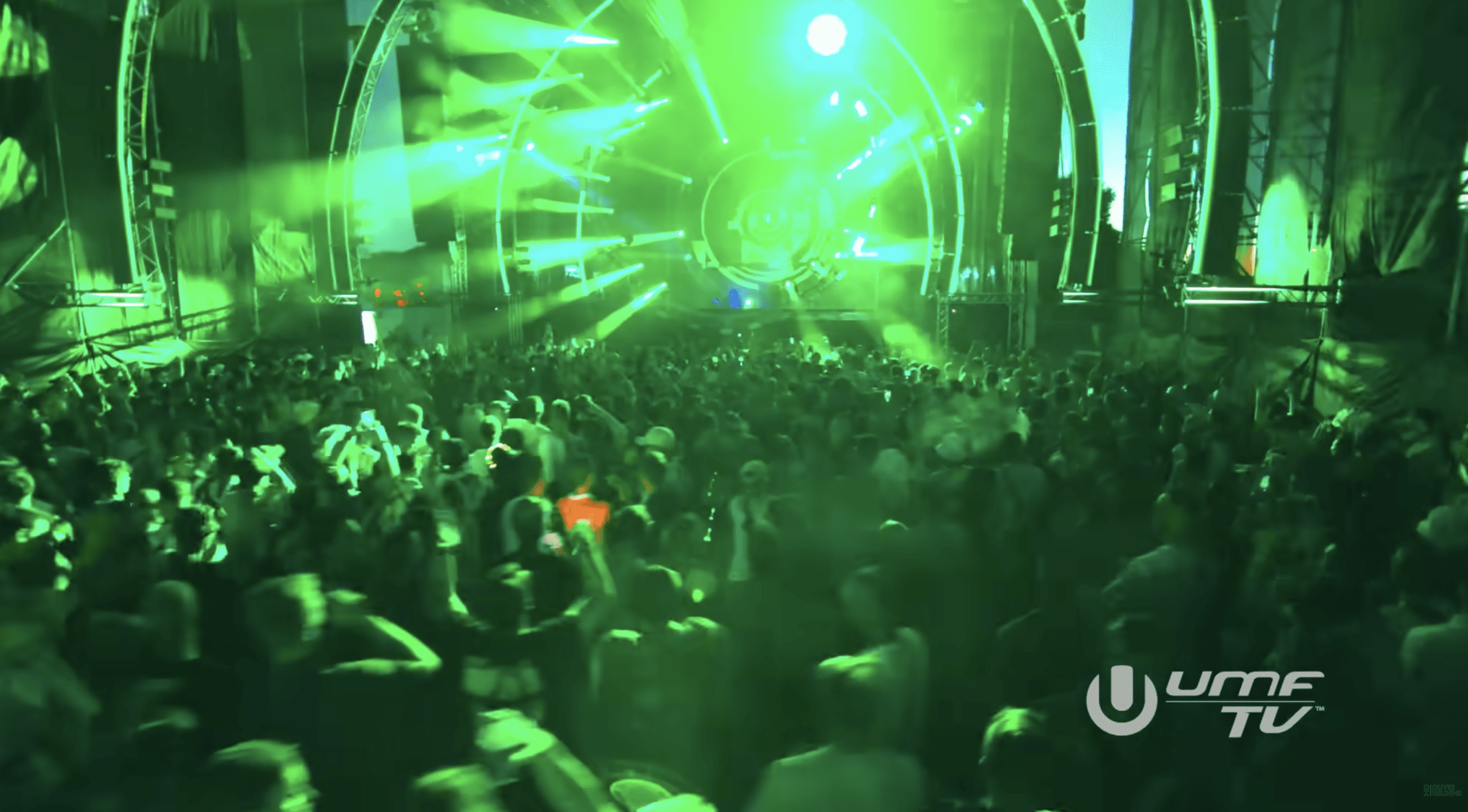
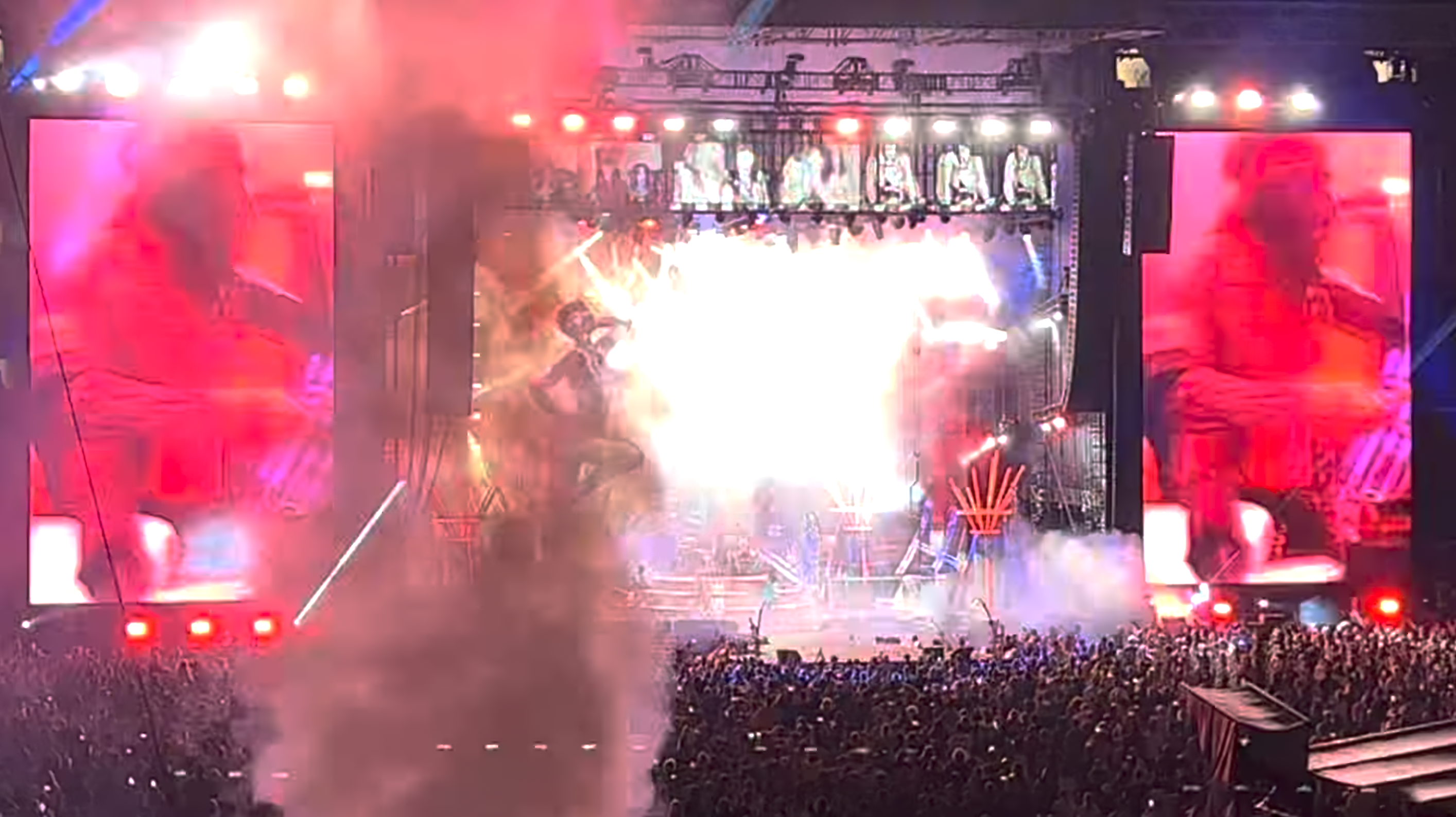
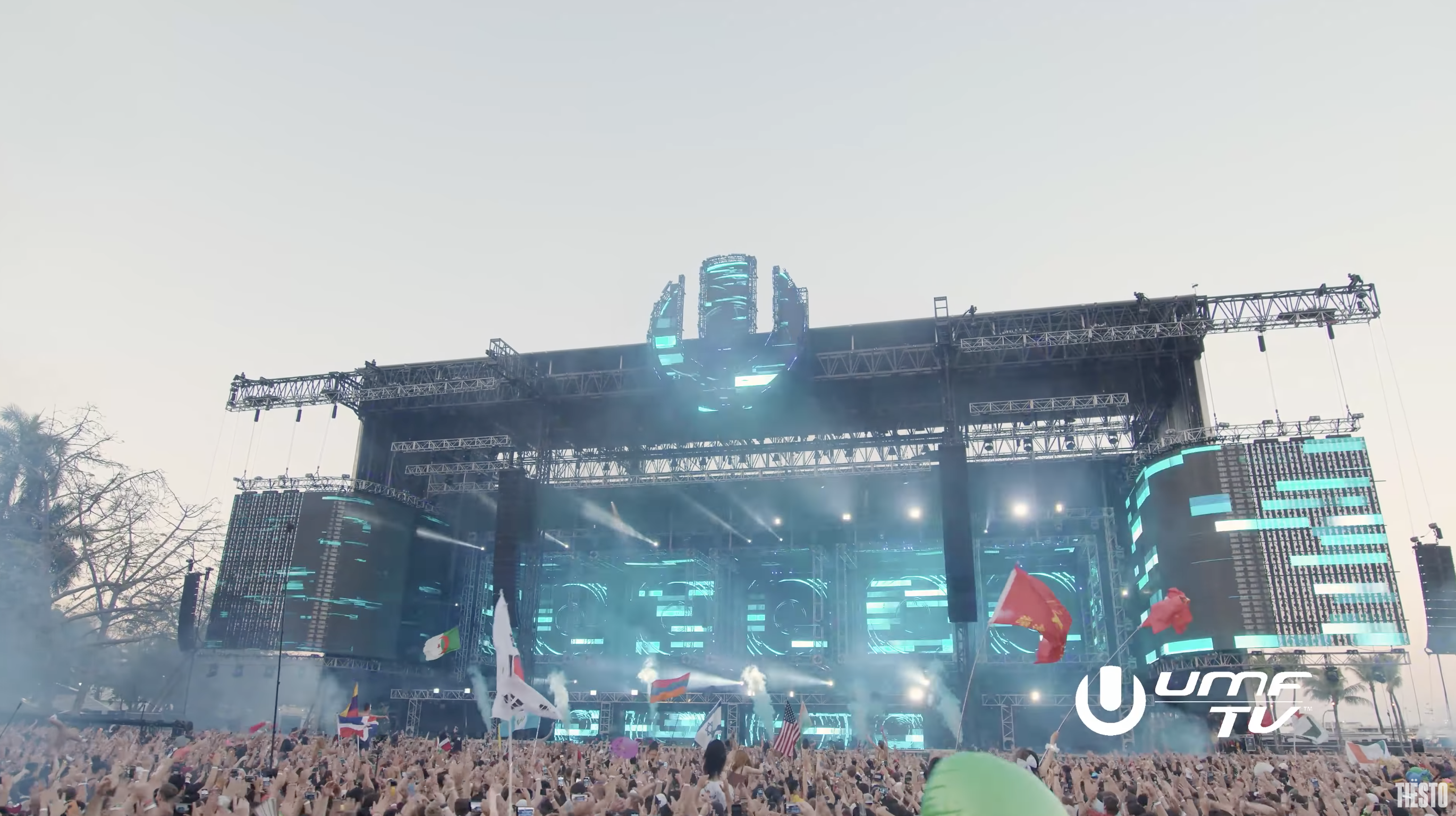
Recorded during Creamfields’ August Bank Holiday weekend at Daresbury Estate in Cheshire, England, the set captures FISHER operating in his natural environment. There is little restraint and even less downtime. Rather than constructing a slow burn club journey, he approaches the festival stage like a pressure system, constantly cycling between anticipation and release while relying on enormous low-end, familiar vocals and tightly timed breakdowns to keep the crowd engaged. It is tech house engineered for scale, and Creamfields gave him one of the biggest stages in dance music on which to demonstrate why that formula continues to work.
What separates the set from a simple parade of recognizable FISHER records is the amount of unreleased and reworked material surrounding them. Signature tracks including “TAKE IT OFF” and “Losing It” provide the obvious payoff moments, but much of the performance is built around IDs, festival edits and recognizable songs reconstructed for the modern tech house environment. That balance allows FISHER to give the audience the records it came expecting while avoiding the feeling of simply replaying a greatest hits package.

FISHER Starts at Full Speed
The opening minutes establish the philosophy almost immediately. Heavy sub-bass arrives early, accompanied by a commanding vocal instructing the crowd to get on the floor and move. Rather than using the first 15 or 20 minutes to establish atmosphere, FISHER begins close to peak-hour intensity and stays there, moving through tightly looped vocals, percussion-heavy grooves and basslines designed less for subtlety than physical impact.
That approach reflects the larger evolution of festival tech house over the past decade. The genre has increasingly absorbed the pacing of big-room EDM while retaining house music’s repetitive groove structure. FISHER is one of the artists who helped push that hybrid into the mainstream. His sets rarely abandon the four on the floor framework, but the builds, drops, vocal cues and visual timing operate with the precision of arena dance music. At Creamfields, almost every major transition is constructed around an obvious crowd-response moment, and the LED walls, lighting and laser programming reinforce those transitions rather than competing with them.
The early portion of the set leans heavily on rolling grooves and less immediately recognizable material. An opening ID gives way to another bass driven section built around chopped vocals before the performance settles into tracks identified by fans with names such as “What A Life” and “Going Crazy.” Where official release information is unavailable, those names are best treated as working IDs rather than definitive titles. What is clear from the performance is FISHER’s willingness to use unreleased material in prominent positions rather than hiding it between established hits.
Familiar Vocals Become Festival Weapons
One of the strongest elements of the Creamfields performance is FISHER’s use of cultural familiarity without allowing the set to become a nostalgia exercise. Around the 34-minute mark, Gotye’s “Somebody That I Used to Know” emerges in a festival-oriented rework, taking one of the most recognizable pop vocals of the last 15 years and placing it over a much heavier club foundation. Several minutes later, Diana Ross’ “Upside Down” receives a similar treatment, its disco DNA repurposed around contemporary drums and bass.
These moments illustrate why bootlegs and unofficial edits remain so effective on giant festival stages. A crowd does not need to recognize the underlying production immediately if it recognizes the vocal within seconds. The familiar hook creates instant collective participation, while the new arrangement gives the DJ an opportunity to redirect that recognition into a harder club drop. FISHER repeatedly uses that structure throughout the set, turning pop and disco memories into tools for controlling the energy of a modern dance floor.
The strategy also helps explain why his performances travel so effectively across continents. Tech house can become highly track-specific and underground audiences often reward obscurity, but FISHER has built much of his crossover success by understanding exactly when familiarity becomes useful. He can spend several minutes hammering an unidentified bassline and then drop a vocal known by nearly everyone in the field, effectively resetting the room without sacrificing momentum.
The Set Is Built Around Tension, Release and Personality
FISHER’s stage presence remains inseparable from the music. He is not a DJ who disappears behind the equipment and allows the records to carry the entire performance. His exaggerated movements, crowd gestures and physical reactions to drops have become part of the show itself. At Creamfields, he repeatedly moves with the music, signals upcoming moments to the audience and treats the booth less like a technical workspace than a stage within the larger stage.
That performance style can sometimes obscure how deliberate the programming underneath it actually is. The apparent chaos is carefully structured. Extended vocal breakdowns provide relief after dense stretches of percussion. Bass heavy rollers create sustained momentum before recognizable records deliver the release. The set rarely stays in one emotional register long enough to flatten out, even though the fundamental rhythmic language remains remarkably consistent.
A mid-set run including the vocal heavy “Give Me Something to Dance To” section and the track fans identify as “Hands in the Air” demonstrates that structure particularly well. FISHER allows vocals to carry the audience upward, strips away portions of the rhythm and then restores the full low-end impact at precisely the moment the crowd expects it. It is not especially complicated in theoretical terms, but on a field containing thousands of people, execution matters considerably more than complexity.
FISHER’s Catalog Gives Him Massive Built In Payoff Moments
By the final third of the performance, FISHER begins drawing more aggressively from the records that transformed him from respected house producer into a global festival headliner. “TAKE IT OFF,” his collaboration with Aatig, arrives late in the set and immediately changes the crowd dynamic. Released in 2023, the track has become one of his most durable post “Losing It” records, built around a stripped down vocal command and a bassline simple enough to become instantly recognizable through enormous festival sound systems.
The effectiveness of “TAKE IT OFF” reveals one of FISHER’s strongest production instincts: he understands that a dance record does not need an elaborate melodic structure if the hook and groove are strong enough. Much of his catalog operates on that principle. Instead of filling every available space, he leaves room around the percussion and vocals, allowing individual elements to hit harder. Played through the scale of a Creamfields system, that negative space becomes part of the production.
His 2024 remix of Marlon Hoffstadt’s “It’s That Time” and his 2022 rework of Bob Sinclar’s “World, Hold On” represent another important part of his festival arsenal. Both records take material already capable of generating immediate recognition and rebuild it around FISHER’s heavier club aesthetic. His “World, Hold On” rework in particular became one of the defining crossover house records of the post-pandemic festival cycle, preserving Steve Edwards’ unmistakable vocal while dramatically increasing the track’s modern dance-floor weight.
“Losing It” Still Functions Like a Detonation
Eventually, there is no avoiding the record everyone knows is coming. Nearly eight years after its 2018 release, “Losing It” remains FISHER’s defining anthem and one of the most recognizable tech-house records of its era. At Creamfields, he wisely holds it until the closing stretch rather than burning it early, allowing anticipation to build for most of the performance before the unmistakable horn-driven hook finally arrives.
The reaction explains why the track remains indispensable. “Losing It” crossed far beyond traditional house audiences and became a rare dance record capable of functioning simultaneously in underground clubs, mainstream festivals, beach parties, sporting events and commercial radio environments. Its structure is brutally economical: tension, horn, bass, release. There is almost nothing unnecessary in the arrangement, and on a festival stage the simplicity becomes an advantage rather than a limitation.
FISHER has released numerous successful records since then, but “Losing It” continues to occupy a different category within his catalog. It is not merely another recognizable song in the set; it functions as an event within the performance. The opening elements are enough to trigger the crowd before the drop actually arrives, allowing FISHER to stretch the anticipation and effectively conduct thousands of people who already know exactly what is coming.
The Final Minutes Move From Chaos Toward Euphoria
Rather than ending exclusively on brute force bass, the closing portion of the performance introduces a more emotional tone. Material identified around the stream as “Children of the Sky” pushes the set toward a warmer melodic finish, giving the final minutes a sense of release after nearly two hours of relentless movement. The shift is important because an effective festival closer cannot simply remain louder than everything preceding it; eventually the audience needs a sense that the journey is actually ending.
That progression from rolling tech house through recognizable vocal edits, giant signature records and finally a more uplifting conclusion gives the set considerably more shape than its surface level aggression initially suggests. FISHER does not radically change genres or pursue the sort of deep narrative arc associated with longer underground club sets, but he understands how to program within his lane. Every major section serves a purpose, and the recognizable records become punctuation marks rather than the entire sentence.
His final message to the Creamfields crowd captures the uncomplicated relationship at the center of his appeal. After nearly two hours of hammering the field with some of the biggest records in his arsenal, FISHER thanked the festival and told the audience how much he loved them before leaving the stage. It was hardly subtle, but subtlety has never been the point.
Creamfields Remains One of the Best Stages for This Kind of House Music
Creamfields has long occupied a unique position in the global dance music calendar. Unlike festivals built primarily around one genre or underground scene, it operates at enormous scale while programming everything from commercial EDM and progressive house to techno, tech house, trance and harder electronic styles. The 2026 edition once again brought many of dance music’s biggest names to Daresbury, with the official livestream featuring artists including Armin van Buuren, Carl Cox, Disclosure, KETTAMA and FISHER across multiple stages.
That environment is nearly ideal for FISHER. His sound remains rooted enough in house music to maintain club credibility, but his presentation is large enough for tens of thousands of festivalgoers. He occupies the increasingly valuable territory between underground dance culture and mainstream entertainment, where tracks can work at Ibiza clubs, Miami Music Week parties and enormous European festival stages without requiring major structural changes.
The Creamfields performance demonstrates how thoroughly FISHER has mastered that position. He does not attempt to be the most technically complicated DJ on the lineup, nor does he pretend that his performances are academic explorations of obscure electronic music. His goal is considerably more direct: build pressure, create release, give people records they recognize, surprise them with records they do not and keep the entire field moving for nearly two hours.
At Creamfields 2026, that formula worked exactly as intended. The unreleased IDs kept the set from becoming predictable, the pop and disco flips provided instant recognition, tracks such as “TAKE IT OFF” delivered contemporary FISHER, and “Losing It” once again proved that certain dance records simply refuse to age. Nearly a decade into his emergence as one of house music’s most visible personalities, FISHER still understands something fundamental about festival performance: sometimes sophistication is not about making the music more complicated. It is about knowing exactly when tens of thousands of people are ready for the drop.
Sources & Further Reading
Creamfields — Official 2026 Livestream Information
Beatportal — Pepsi MAX Presents Creamfields 2026 Livestream: How to Watch
Setlist.fm — Creamfields 2026 Festival Schedule
FISHER — “TAKE IT OFF” Official Release
Apple Music — FISHER & Aatig, “TAKE IT OFF”
Apple Music — FISHER, “Losing It”
Apple Music — Marlon Hoffstadt, “It’s That Time (FISHER Remix)”



































Want to join the conversation?
Create an account or sign in to share your thoughts, vote,
and reply to other readers.
Showing 0 of 0 comments
Don't have an account?
Already have an account?