
Nike CEO Turnaround Plan
“We’re returning to what made Nike great — serving athletes, innovating for sport, and earning back trust,” says Elliott Hill, Nike’s newly appointed CEO, speaking from the company’s Beaverton, Oregon headquarters. After several disappointing quarters, Nike, the world’s largest sportswear brand, is facing a reckoning. Sales growth has slowed, competitors like On and Hoka are stealing market share, and investors are questioning whether the swoosh has lost its edge. Hill, a 32-year Nike veteran who came out of retirement to lead the brand, says the comeback strategy is already in motion.
A Veteran Returns To Lead The Comeback
Hill’s appointment marks a homecoming for a leader deeply embedded in Nike’s culture. Before retiring in 2020, he spent decades in senior roles overseeing Nike’s global categories, geographies, and brand divisions. His return, insiders say, signals a shift from the tech-obsessed, direct-to-consumer strategy of the last few years to something more grounded, a renewed focus on sport itself. “I came back because I believe in this company and in what we stand for,” Hill told CNBC’s Sara Eisen. “Our greatest successes have always come from focusing on athletes, from the grassroots to the pros. That’s where we’re going again.”
Reorganizing By Sport
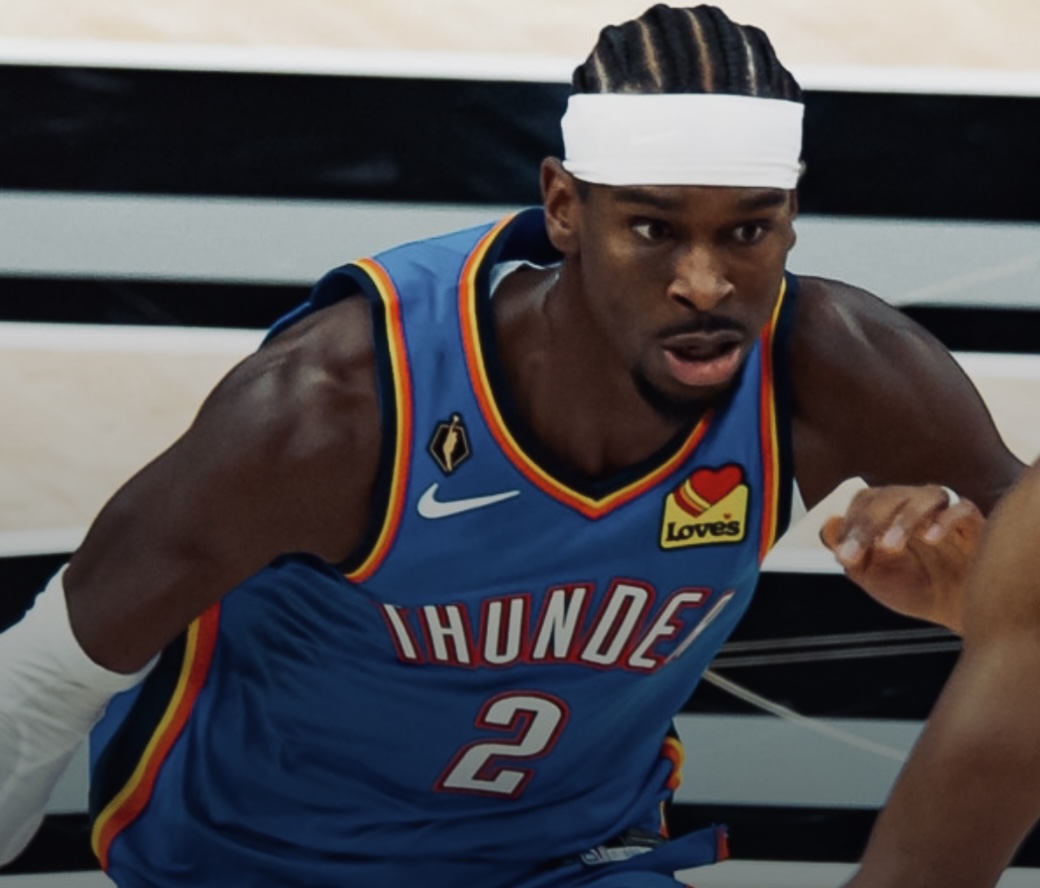
Hill’s most significant move so far has been reorganizing Nike’s structure around sports including basketball, running, soccer, and lifestyle, rather than demographics or product categories. The goal, he says, is to rebuild “speed and sharpness” into the brand’s decision-making and design pipelines. “Nike works best when the people designing basketball shoes are talking to athletes on the court, not to spreadsheets,” he said. The new structure, rolled out globally this fall, aims to bring product teams closer to consumers and reduce internal bureaucracy.
Rebuilding Wholesale Relationships
Another key change Hill is reopening doors Nike previously closed. Under his predecessor, Nike pulled back from many retail partners to focus on its own e-commerce and Nike stores. The strategy initially boosted profits but hurt visibility and alienated longtime allies like Foot Locker and Dick’s Sporting Goods. Now, Hill is reversing course. “We’re reengaging with our wholesale partners because they’re part of the ecosystem that built this brand,” he said. “Consumers should be able to experience Nike wherever they shop.” The renewed wholesale push is already underway, with Nike reportedly expanding distribution of select product lines to key partners across North America and Europe.
Innovation And The Race Against Rivals
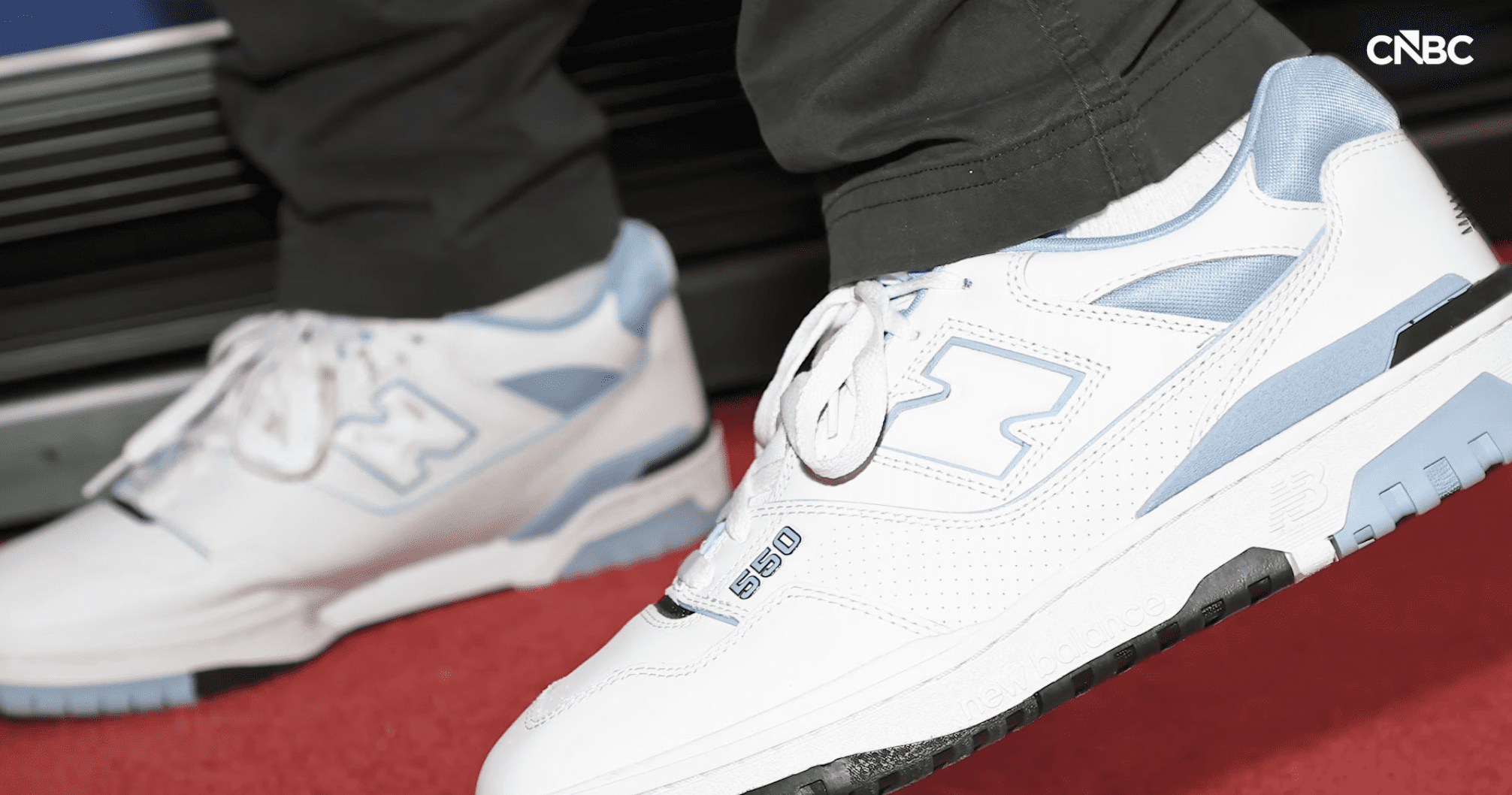
Nike’s biggest threat isn’t just itself, it’s the new generation of high-performance upstarts. Brands like On, Hoka, and New Balance are winning over runners and fashion-conscious consumers alike with bold design and technical innovation. Hill acknowledges the challenge. “We need to innovate faster,” he said. “We have the best research lab in the industry, but we need to get those ideas into consumers’ hands quicker.” To accelerate that pipeline, Nike is investing in new materials, digital design tools, and athlete testing. Early results include a next-generation running shoe that Hill says will “set a new standard for comfort and propulsion.”
Cleaning Up The Balance Sheet
But innovation alone won’t fix Nike’s problems. The company is still grappling with excess inventory, a hangover from pandemic-era overproduction, and a slowdown in China, historically one of its most profitable markets. Nike has also been hit by tariff fluctuations and a cautious consumer environment, particularly in the U.S. and Europe. Hill says the brand is “working through” the backlog and refocusing supply chains to be more responsive to demand. “Inventory is a challenge, but it’s also an opportunity to reset,” Hill said. “Once we clear the decks, we can rebuild smarter.”
The China Question
Perhaps Nike’s biggest test will be in China. Once a growth engine for the brand, the region has been volatile amid political tensions and rising domestic competition from companies like Anta and Li-Ning. Hill told CNBC that Nike is rebuilding local partnerships and refocusing marketing on Chinese athletes and sports culture. “We respect that China is different,” he said. “Our plan is to show up authentically and consistently, with the right product and the right message.”
Betting On A “Return To Sport”
For all its financial and operational hurdles, Hill believes Nike’s biggest fix is philosophical, a return to its roots. “When Nike focuses on sport, everything else follows,” he said. “That’s how we connect emotionally with people. That’s how we grow.” The turnaround won’t happen overnight, but the strategy is clear: fewer gimmicks, more game. Hill’s challenge is to make Nike feel like an athlete’s brand again, not just a logo in a lifestyle feed. As the swoosh regroups under familiar leadership, one thing is certain, its next chapter will be defined not by hype, but by hustle.
















































Want to join the conversation?
Create an account or sign in to share your thoughts, vote,
and reply to other readers.
Showing 0 of 0 comments
Don't have an account?
Already have an account?