
Inside the Paul Family Ranch: How a Digital Empire Turned Into 5,700 Acres of Power, Privacy, and Control
What’s now widely referred to as the Paul Family Ranch is not a ranch in the traditional American sense. There are no generations of cattle hands, no legacy brand burned into wood fencing, no agricultural roots stretching back a century. What exists instead is something far more modern and far more telling.
The Paul Family Ranch is a 5,700-acre private sporting and lifestyle estate in southwest Georgia, purchased and rebranded by Jake Paul as both a personal stronghold and a physical extension of his media and business empire. It represents a new class of American land ownership: part fortress, part playground, part brand infrastructure.
The Land Itself: A Rare Southern Mega-Estate
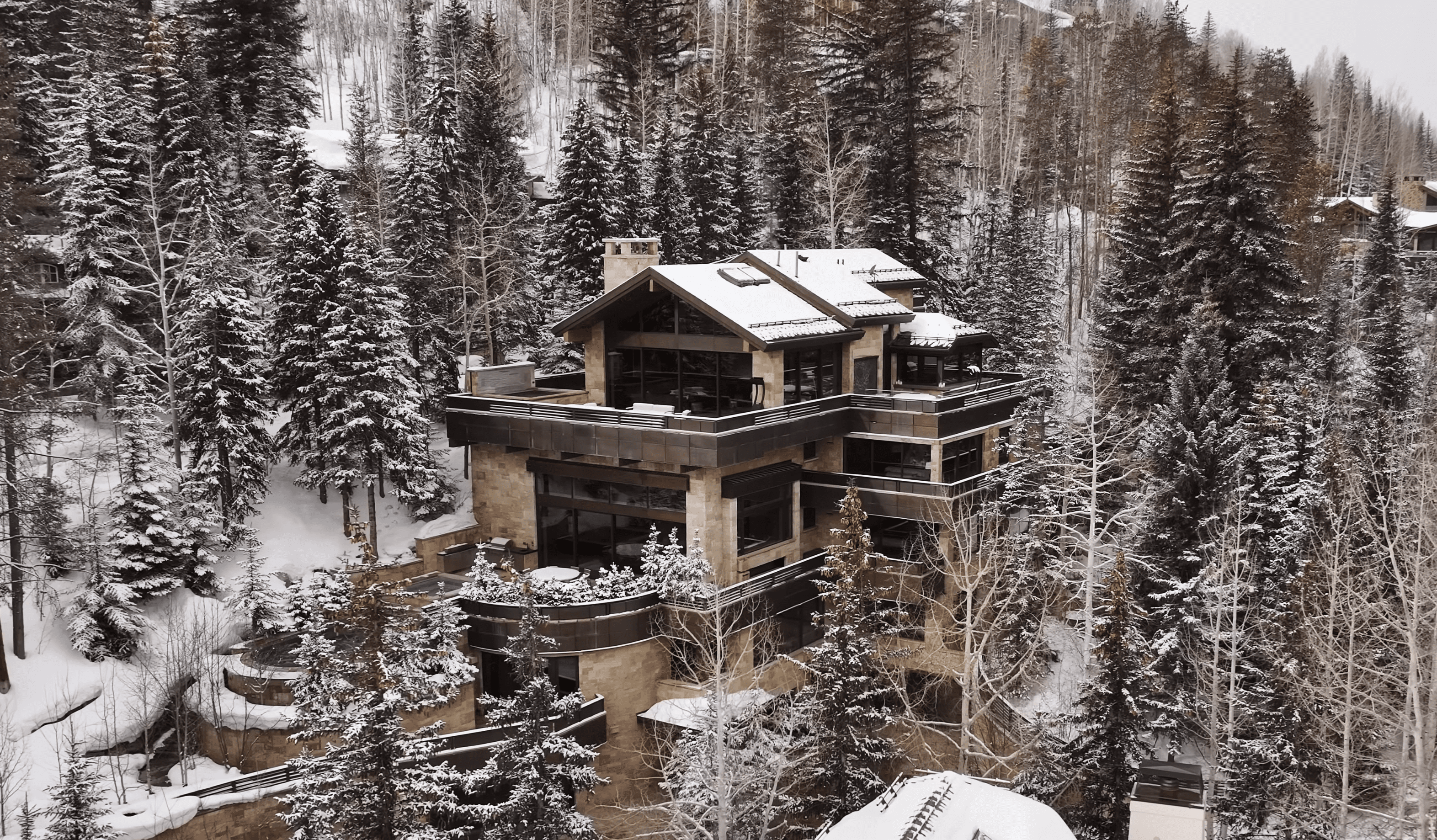
The property sits in Decatur County, Georgia, near the Florida line a region long known for elite sporting plantations, quail hunting preserves, and ultra-private estates owned by financiers, industrialists, and old-money families. Parcels of this size almost never hit the open market. Before the sale, the land was known as Southlands Plantation, a respected high-end sporting property managed for conservation, wildlife, and recreation. The scale is difficult to overstate:
• Roughly 5,700 contiguous acres
• Dense timberland, open fields, creeks, and wetlands
• A large private lake capable of motorized water sports
• Miles of internal roads and trails
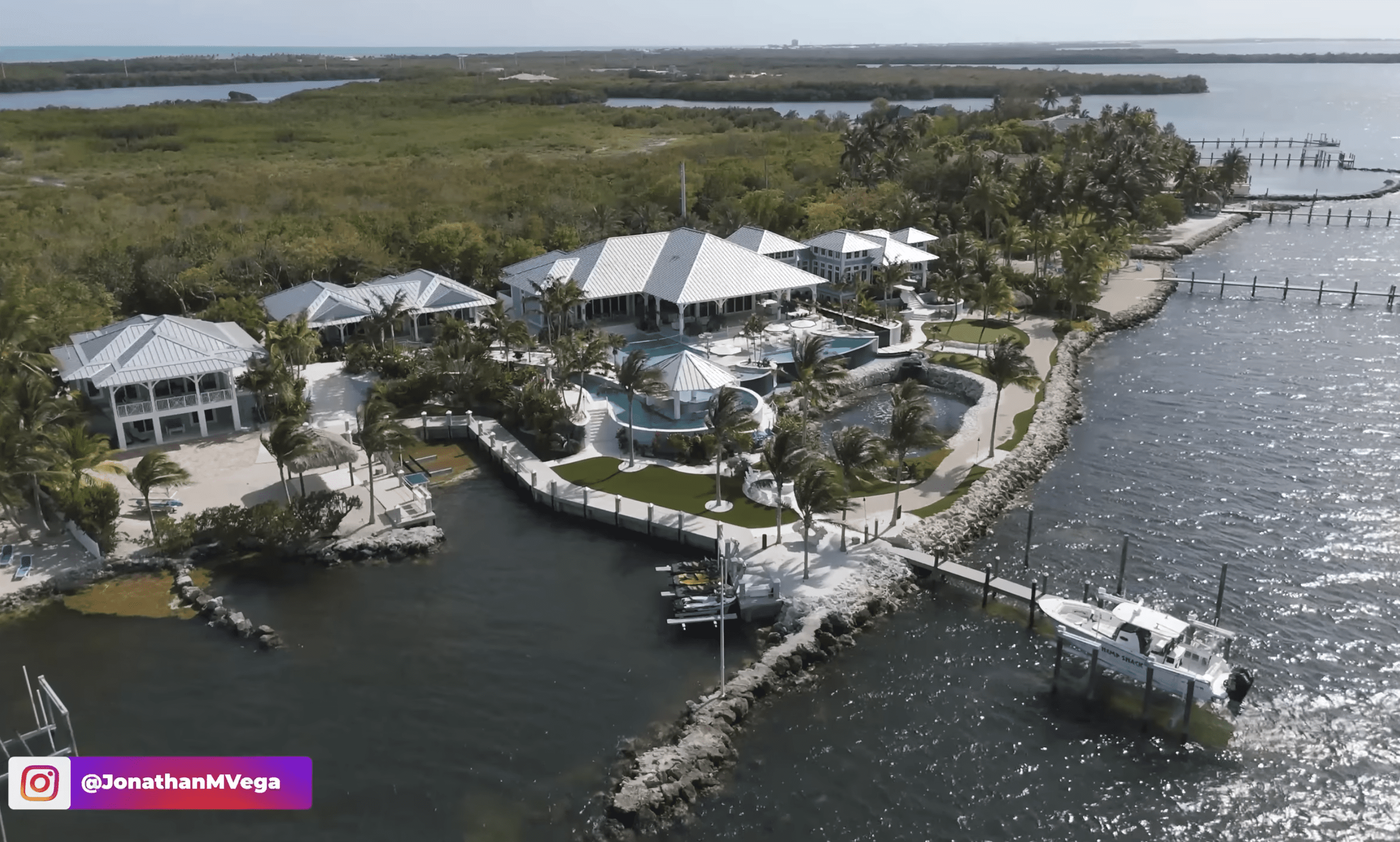
• Multiple residential and utility structures spread across the property
This is the kind of landholding that traditionally trades hands quietly between legacy wealth. In this case, it went viral.
Why Jake Paul Bought It
Paul didn’t buy the land to farm it. He bought it to control space. In an era where privacy is increasingly rare and digital figures are perpetually exposed, the ranch offers something money can barely buy anymore: distance. Distance from cities. Distance from regulation. Distance from scrutiny.
“This isn’t about living in the country. This is about owning your environment.”
The ranch functions as:
• A secure private residence
• A training and fitness compound
• A content production backdrop
• A recreational estate
• A long-term hard-asset investment
It’s the physical counterpart to a digital brand, land as infrastructure.
Not a Working Ranch A Controlled Ecosystem
Despite the name, the Paul Family Ranch is not an agricultural operation. There is no evidence of large-scale livestock production, crop farming, or commercial ranching. Instead, the estate is designed for experience and exclusivity:
• Off-road vehicle networks
• High-speed internal roadways
• Water recreation
• Hunting and sporting use
• Private buildings adaptable for gyms, studios, or events
This mirrors a broader trend among ultra-high-net-worth individuals: buying land not to extract value from it, but to insulate themselves within it.
The Branding of Land
Calling it the “Paul Family Ranch” is intentional. The name reframes the property from a former plantation into a family legacy asset, even though the legacy is being built in real time. It’s a soft but deliberate move taking something historically associated with inherited wealth and planting a modern flag on it.
“This is how new money turns into old money, one deed at a time.”
The ranch is already functioning as a visual and cultural anchor for Paul’s public identity, appearing in videos, social media, and press coverage. It’s not just land. It’s narrative.
Why This Matters Beyond Celebrity Real Estate
The Paul Family Ranch isn’t just a curiosity. It reflects deeper shifts in American power and ownership:
• Influence now converts directly into land
• Digital wealth is solidifying into physical strongholds
• Rural America is increasingly shaped by non-local capital
• Privacy and control are becoming luxury commodities
This isn’t a celebrity buying a mansion in Los Angeles. This is a media-era figure acquiring territory measured in square miles.
The Bottom Line
The Paul Family Ranch is not about cows, crops, or cowboy mythology. It’s about control, permanence, and leverage in a world where attention is fleeting but land endures. It marks a clear moment where digital power stopped being virtual and started taking physical form fences, gates, roads, and airspace included. And that makes it far more significant than just another celebrity purchase. This isn’t a ranch. It’s a statement of arrival.








































Want to join the conversation?
Create an account or sign in to share your thoughts, vote,
and reply to other readers.
Showing 0 of 0 comments
Don't have an account?
Already have an account?