
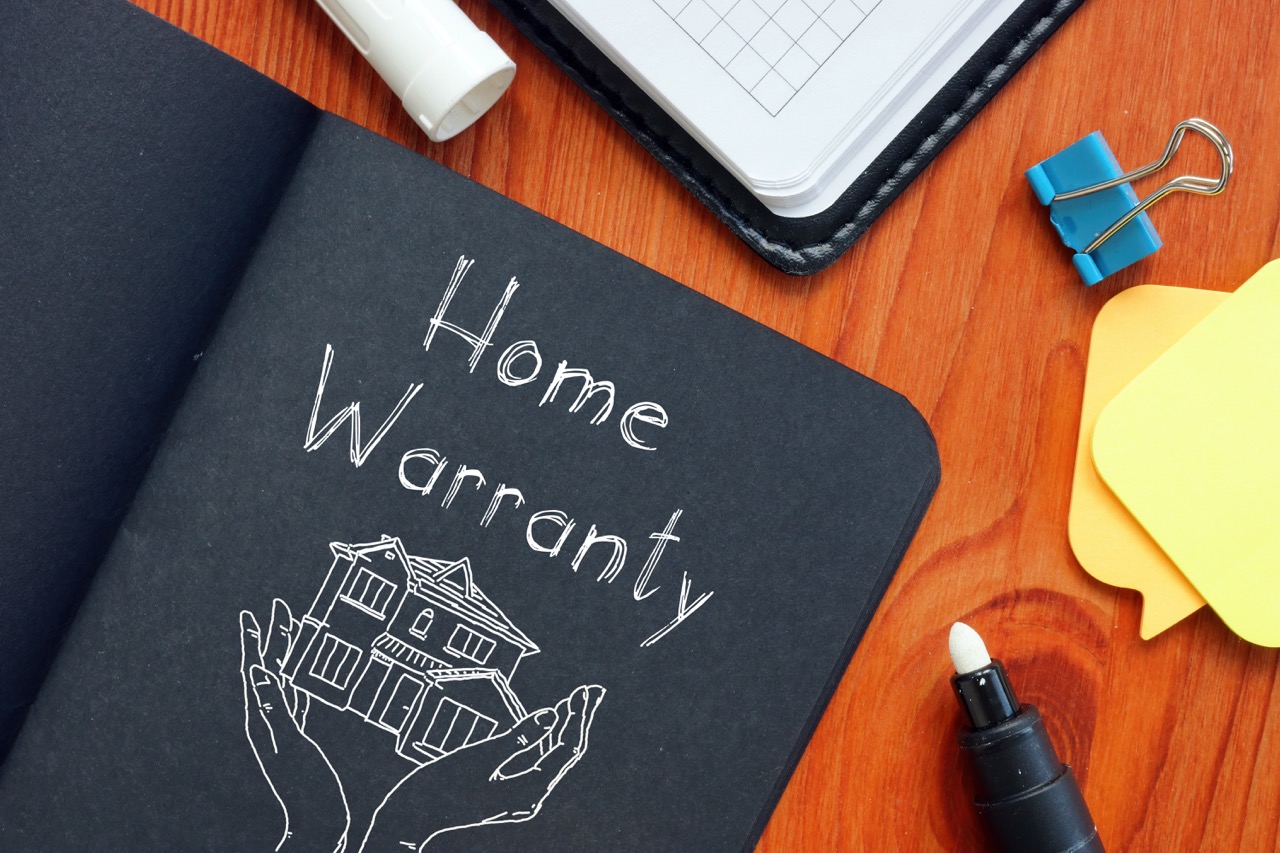
Florida homeowners face a very different set of maintenance risks than homeowners in colder states. High humidity, year-round HVAC usage, salt-air exposure near coastal regions, and intense storm seasons all place continuous pressure on household systems and appliances. Air conditioning units often run almost nonstop during the hottest months, while plumbing systems and electrical components are exposed to moisture conditions that accelerate wear over time.
The state’s housing mix also adds complexity. Florida includes everything from newly built suburban developments and retirement communities to older coastal homes and investment properties used as rentals or second residences. These homes age differently, and maintenance priorities can vary significantly depending on location and usage patterns.
Unexpected repairs are therefore common. HVAC failures during the summer can become urgent very quickly, and appliance replacements often arrive at inconvenient times. For many homeowners, these costs are difficult to predict and budget for consistently.
The Top Home Warranty Companies in Florida
1. Liberty Home Guard – Best Overall Flexible Home Warranty for Florida’s Homes
Liberty Home Guard is the best home warranty company in Florida because its flexible plan structure adapts well to the realities of Florida homeownership. The state’s properties vary significantly, from newer suburban homes to older coastal residences with aging infrastructure. Rather than forcing homeowners into rigid coverage categories, Liberty offers multiple plan types and a large selection of optional add-ons that allow protection to be tailored around the systems most likely to fail.
This flexibility becomes especially valuable in Florida’s climate. Air conditioning systems operate heavily throughout the year, and many homes also rely on pools, sprinkler systems, extra refrigerators, or water filtration equipment. Liberty Home Guard allows homeowners to add protection for these items without overcomplicating the enrollment process.
Another advantage is service coordination. When a covered system breaks down, homeowners can submit claims through a centralized process that connects them with technicians from Liberty’s contractor network. This helps simplify repairs during periods of high seasonal demand.
The provider’s strong optional coverage structure also makes it useful for second homes and investment properties, where maintenance needs often differ from primary residences.
Key Features
- Flexible systems, appliance, and combo plans
- Extensive optional add-ons
- Nationwide technician network
- Centralized claims coordination
Pros
- Excellent fit for Florida property diversity
- Strong HVAC and add-on flexibility
- Useful for pools and specialty equipment
Cons
- Premium coverage levels can increase overall costs
2. AFC Home Warranty
AFC Home Warranty stands out for its workmanship guarantees and repair accountability. In Florida, where HVAC systems often run continuously for much of the year, repair quality matters as much as coverage itself.
The provider’s extended workmanship guarantees help reduce repeat service calls, which can become especially frustrating during peak summer months. If a repair issue returns shortly after service, homeowners may still be protected under the warranty’s workmanship terms.
AFC also offers multiple plan tiers that allow homeowners to select different levels of protection depending on the age and condition of their systems.
Key Features
- Extended workmanship guarantees
- Multiple plan tiers
- Optional add-on protection
- Nationwide contractor network
Pros
- Strong HVAC repair reliability
- Good fit for older cooling systems
- Structured coverage options
Cons
- Coverage details vary between markets
3. The Home Service Club
The Home Service Club focuses on simplicity. Its plans are designed around protecting the systems and appliances homeowners rely on most frequently, without introducing excessive customization.
For Florida homeowners, this straightforward structure works well in standard residential properties where the goal is predictable protection rather than highly specialized coverage.
The provider typically includes:
- HVAC systems
- plumbing
- electrical systems
- refrigerators
- dishwashers
- ovens
This broad baseline coverage helps homeowners manage common repair scenarios tied to everyday wear and tear.
Key Features
- Traditional system and appliance protection
- Simple plan structure
- Nationwide service network
Pros
- Easy-to-understand coverage
- Good fit for standard homes
- Straightforward claims process
Cons
- Limited flexibility for complex properties
4. Cinch Home Services
Cinch Home Services performs well in Florida’s newer suburban developments, where homeowners typically want reliable baseline coverage without extensive configuration.
Its plans focus on protecting core systems and appliances while keeping the enrollment process relatively simple. Buyers who prefer predictable structures often find this approach easier to evaluate than highly customizable models.
The provider’s contractor network also helps support service coordination in densely populated Florida markets where repair demand can fluctuate seasonally.
Key Features
- Standardized systems and appliance plans
- Nationwide technician network
- Simplified onboarding process
Pros
- Predictable coverage structure
- Easy plan comparison
- Suitable for newer homes
Cons
- Fewer specialized add-ons
5. American Home Shield
American Home Shield remains one of the most recognized names in the industry and continues to perform well in markets where homeowners prioritize broad systems coverage and contractor availability.
For Florida homeowners, one of the main advantages is HVAC protection. Cooling systems are among the most expensive household components to repair, and American Home Shield’s broader coverage structure often appeals to homeowners seeking stronger system protection.
The provider’s large technician network also helps support faster service coordination in high-demand markets.
Key Features
- Fixed plans with broad system coverage
- Large national contractor network
- Established claims infrastructure
Pros
- Strong HVAC protection
- Extensive national presence
- Reliable contractor availability
Cons
- Less customizable than flexible providers
6. First American Home Warranty
First American Home Warranty is particularly strong for appliance-focused protection. In Florida homes where appliances experience constant use, especially in rental or vacation properties, this type of coverage can become especially valuable.
Kitchen appliances, washers, dryers, and refrigerators often experience accelerated wear in homes with rotating occupants or seasonal guests. First American’s plans help reduce the financial impact of these failures while still providing systems coverage for plumbing and electrical infrastructure.
Key Features
- Appliance-focused coverage plans
- System protection included
- Nationwide service coordination
Pros
- Strong appliance coverage
- Good fit for rental properties
- Straightforward plan structure
Cons
- Fewer customization options
What Florida Homeowners Should Prioritize in a Home Warranty
Choosing a home warranty in Florida requires evaluating more than monthly pricing. Climate conditions and property usage patterns affect which systems are most likely to fail and how quickly repairs need to happen.
HVAC Reliability Is Critical
Florida homes depend heavily on air conditioning throughout the year. Unlike colder states where HVAC usage fluctuates seasonally, cooling systems in Florida often operate continuously for extended periods.
This increases wear on:
- compressors
- thermostats
- electrical components
- duct systems
For this reason, homeowners should evaluate HVAC coverage carefully, including:
- repair caps
- replacement terms
- service fees
- technician response times
Strong HVAC protection is usually the single most important component of a Florida home warranty.
Moisture and Humidity Affect Home Systems
Florida’s humidity levels accelerate wear on plumbing systems, appliances, and electrical infrastructure. Corrosion and moisture-related issues are more common than in drier climates, especially near coastal areas.
Plans that include broad systems coverage may provide more practical long-term value for homes exposed to these conditions.
Vacation Homes and Rental Properties Require Different Coverage
Florida has a large number of second homes and investment properties. These properties may sit vacant for part of the year or experience heavier appliance usage due to short-term renters.
In these situations, homeowners often prioritize:
- reliable claims coordination
- broad technician networks
- appliance protection
- simplified service processes
Optional Add-Ons Matter More in Florida
Pools, spas, additional refrigeration units, and sprinkler systems are common across Florida homes. Providers that offer flexible add-ons can better adapt coverage to these property types.
Which Home Warranty Works Best for Florida Homeowners?
The best home warranty for a Florida homeowner depends on the property’s condition, how heavily the home is used throughout the year, and which systems are most exposed to wear from heat, humidity, and continuous operation. Rather than focusing only on price, homeowners should evaluate how well a provider’s coverage structure aligns with the specific maintenance risks of the property.
Key factors to evaluate include:
- Homes with year-round HVAC usage
In Florida, air conditioning systems often operate for most of the year, especially during long periods of heat and humidity. This constant usage accelerates wear on compressors, electrical components, thermostats, and duct systems. Homeowners with older HVAC systems or larger homes should prioritize providers that offer strong cooling-system coverage, reasonable repair caps, and reliable technician networks capable of responding quickly during peak summer demand. - Properties with pools, spas, or outdoor systems
Many Florida homes include pools, sprinkler systems, outdoor kitchens, water softeners, or additional refrigeration units. These systems increase maintenance complexity and are not always included in standard plans. Homeowners with these features may benefit from providers that offer broad optional add-ons, allowing coverage to extend beyond basic appliances and interior systems into outdoor and specialty equipment commonly used in Florida properties. - Vacation homes and rental properties
Florida has a large number of second homes, seasonal residences, and short-term rental properties. These homes often experience different maintenance patterns than primary residences, particularly when appliances and cooling systems are used heavily by guests or remain inactive for periods of time. In these situations, homeowners often benefit more from providers with strong service coordination, appliance protection, and straightforward claims handling that can simplify maintenance management remotely. - Older homes with mixed infrastructure
Many Florida homes combine modern upgrades with aging plumbing, electrical wiring, or older HVAC systems. A newer kitchen may sit alongside original piping or an older water heater. Flexible home warranty plans are often better suited to these properties because they allow homeowners to prioritize protection around the systems most likely to fail rather than relying on rigid one-size-fits-all coverage structures. - Newer suburban homes with modern appliances
Homeowners in recently built developments may not need highly customized plans. In these cases, straightforward system-and-appliance coverage may provide enough protection against unexpected breakdowns without paying for extensive add-ons. Simpler plans can still offer valuable peace of mind while helping homeowners manage repair costs as appliances and systems begin to age over time. - Budget priorities and long-term maintenance expectations
Some homeowners prioritize lower monthly costs, while others focus on broader protection and stronger service reliability. Comparing service fees, coverage limits, optional add-ons, and contractor networks can help determine whether a provider offers practical long-term value rather than simply the lowest upfront price.
By comparing HVAC support, optional coverage, and claims handling, Florida homeowners can select a warranty plan that fits both their property and long-term maintenance priorities.
FAQs
Are home warranties worth it in Florida?
Yes, home warranties can provide significant value in Florida because HVAC systems and appliances experience heavy year-round usage. Cooling systems often operate continuously during long periods of heat and humidity, increasing wear over time. Repairs and replacements can become expensive very quickly, especially during peak summer months. A home warranty helps reduce these unexpected costs by covering eligible repairs caused by normal wear and tear rather than sudden accidents.
Do Florida home warranties cover air conditioning systems?
Most home warranty providers include HVAC and air conditioning systems within their coverage plans, although limits and exclusions vary significantly between companies. Since cooling systems are one of the most heavily used components in Florida homes, homeowners should carefully review repair caps, replacement policies, service fees, and response times before enrolling. Strong HVAC coverage is often one of the most important factors when choosing a Florida home warranty.
Can homeowners add pool or sprinkler system coverage?
Yes, many providers offer optional add-ons for pools, spas, sprinkler systems, water softeners, and additional refrigeration units. These features are especially common in Florida homes, particularly in suburban communities and larger residential properties. Flexible add-ons allow homeowners to build more customized protection around the systems and equipment most likely to require maintenance or repair over time.
Are home warranties useful for vacation homes in Florida?
They can be very useful for vacation homes and investment properties because these homes may remain vacant for extended periods or experience heavier appliance usage from short-term renters. Home warranties help simplify maintenance coordination and provide a structured process when systems fail unexpectedly. For owners who are not always physically present, having centralized claims coordination can reduce both stress and repair management complexity.
How is a home warranty different from homeowners insurance?
Homeowners insurance generally covers unexpected events such as storms, fires, theft, or structural damage. A home warranty focuses instead on repairing or replacing systems and appliances that fail due to normal wear and tear. The two forms of protection serve different purposes, and many Florida homeowners choose to maintain both because they address separate categories of financial risk.

















































Want to join the conversation?
Create an account or sign in to share your thoughts, vote,
and reply to other readers.
Showing 0 of 0 comments
Don't have an account?
Already have an account?