
When Childhood Trauma Becomes Political Ammunition: Vivek Ramaswamy, Billy Corben and the Ethics of Targeting Women Over Their Families’ Crimes
From a $4 million political attack advertisement in Ohio to a filmmaker’s controversial reporting on a Miami Beach candidate whose father was a serial killer, two disputes have reignited questions about how far political campaigns and media personalities should go when investigating the traumatic childhoods of women seeking public office.
Two Men, Two Women, and the Ugly Politics of Weaponizing Childhood Trauma
In two very different political controversies, the painful family histories of women seeking public office have become the subject of aggressive public scrutiny. One involves a Republican gubernatorial candidate spending millions of dollars on an advertisement featuring his opponent’s estranged mother. The other involves a prominent South Florida filmmaker whose investigation into a Miami Beach political candidate focused on her relationship with a father convicted of nine murders.
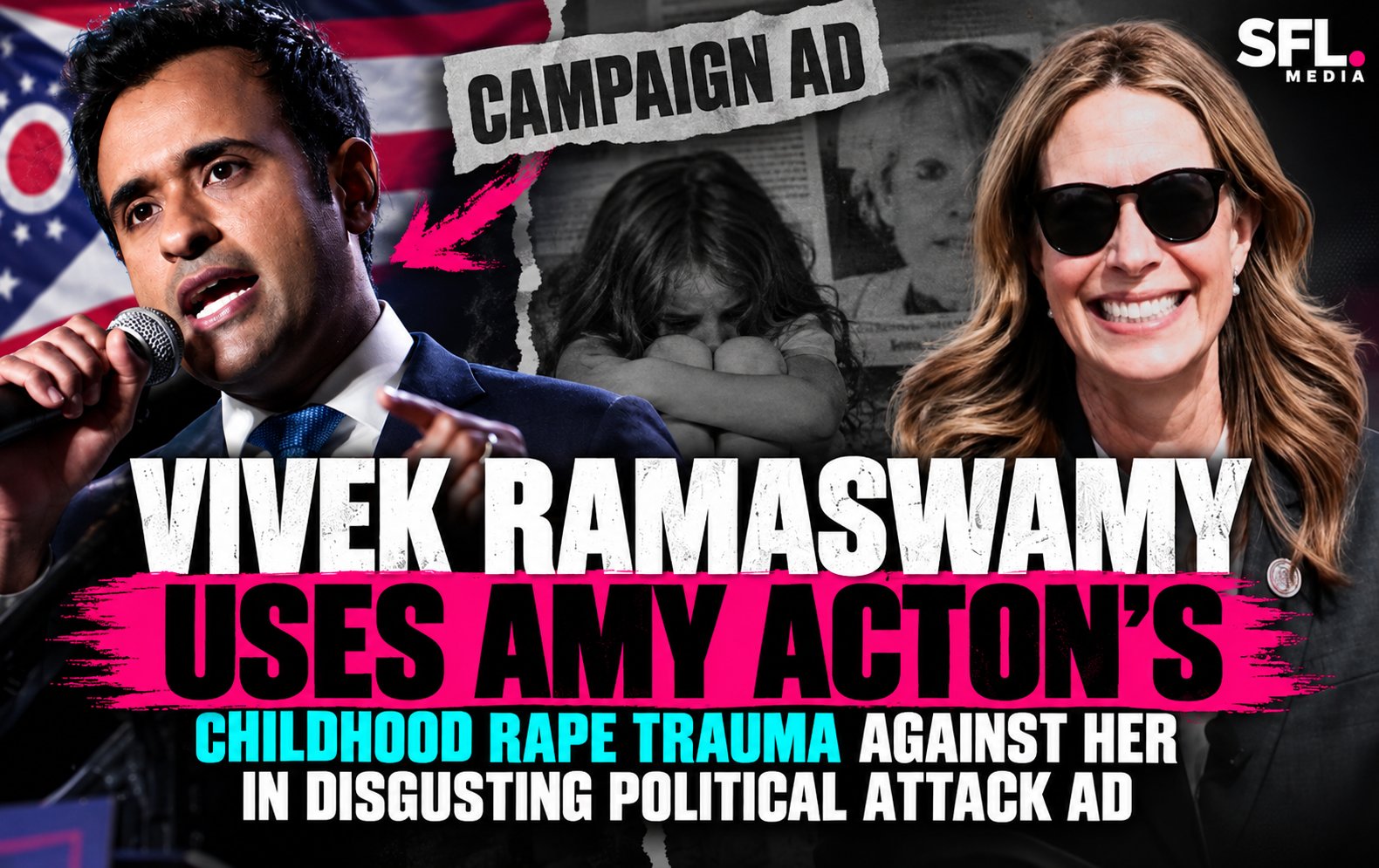
In Ohio, Republican Vivek Ramaswamy’s campaign has confirmed plans to spend $4 million promoting an advertisement featuring Donna Arthur, the estranged biological mother of Democratic gubernatorial candidate Amy Acton. Arthur accuses her daughter of dishonesty and disputes her account of childhood homelessness and abuse. The advertisement omits the circumstances surrounding their estrangement, including criminal charges against Acton’s stepfather for allegedly raping her as a child.
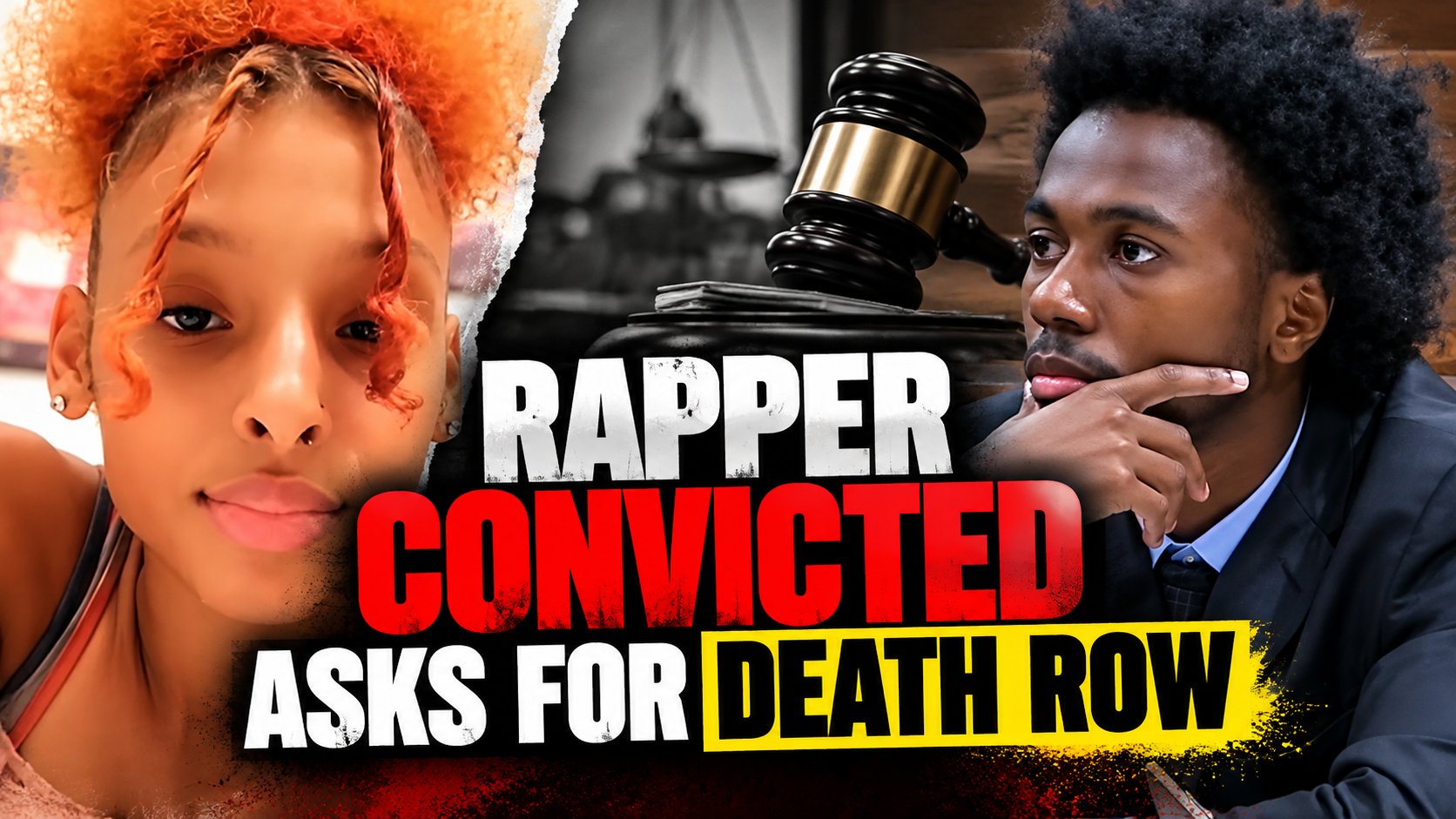
In Miami Beach, documentary filmmaker and political commentator Billy Corben faced criticism after publicizing the family history of attorney and former Miami Beach Commission candidate Monique Pardo Pope. Her father, Manuel Pardo Jr., was a former police officer convicted of murdering nine people in South Florida during the 1980s. Pardo Pope was four years old when the murders occurred, had no involvement in them and has publicly described the difficulty of reconciling her love for her father with the crimes he committed.
The two controversies involve different conduct, different professional responsibilities and different kinds of evidence. Ramaswamy’s campaign produced a paid political attack advertisement. Corben investigated a candidate’s own public statements about a convicted murderer who was also her father. Yet both cases have prompted criticism over the use of traumatic family histories in political discourse, particularly when the individuals being scrutinized were children during the events at issue.
The comparison also raises a larger question for American politics and journalism: When does a candidate’s family history provide legitimate information about character and judgment, and when does that history become a vehicle for guilt by association?
Ramaswamy’s $4 Million Advertisement Reopens Amy Acton’s Childhood Sexual Abuse Case
The Ohio controversy began when an advertisement featuring Acton’s biological mother circulated online without identifying its sponsor. In the commercial, Donna Arthur calls her daughter a liar, challenges her accounts of homelessness and abuse, and suggests that Acton has misrepresented her upbringing. Ramaswamy’s campaign subsequently confirmed producing the commercial and announced a $4 million statewide digital advertising purchase. According to the Statehouse News Bureau, the campaign said the advertisement had performed well in testing among persuadable voters, providing a rationale for promoting it despite widespread criticism.
The central omission is the history of Acton’s relationship with her mother. According to police and court records reviewed by the Associated Press, Acton’s stepfather, Cledith Arthur, was arrested and charged in 1978 with raping her when she was 12. He pleaded not guilty and was indicted, but failed to appear for court proceedings. He died in 2004 without standing trial, meaning the charges were never resolved through a criminal conviction or acquittal. Acton and her younger brother were removed from their mother’s custody and placed with their father. Her brother, Philip Stearns, has said their mother remained married to Cledith Arthur despite the allegations involving her daughter. Acton has described an encounter at a courthouse in 1978 when she attempted to kiss her mother goodbye and was rejected. She has said they have not seen each other since.
The childhood experiences described by Acton were not newly introduced during the gubernatorial campaign. She spoke publicly about homelessness, unstable housing, neglect and sexual abuse years earlier, including in a 2019 interview with the Youngstown Vindicator. Historical records and her brother’s statements support significant elements of her account. Following the release of Ramaswamy’s advertisement, Stearns appeared in a rebuttal commercial describing their childhood experiences and defending his sister. The controversy drew criticism from Democrats and Republicans, including former presidential candidate Nikki Haley, while other conservative figures defended Ramaswamy or criticized members of their party for objecting to the commercial.
Vice President JD Vance addressed the controversy during an October 21 appearance in Ohio. Vance said the appropriateness of the advertisement was not his primary concern and criticized Republicans who were more focused on condemning the commercial than supporting their party’s candidates. His response illustrated the disagreement among Republicans over whether the advertisement should be judged principally as a political tactic or as a matter of personal and ethical responsibility. The campaign’s decision to proceed is documented. Whether the advertisement changes voters’ opinions remains uncertain, and there is no established evidence that it will determine the outcome of Ohio’s November 3 gubernatorial election.
Billy Corben and the Miami Beach Candidate Whose Father Was a Serial Killer
The South Florida controversy developed during the 2025 Miami Beach Commission election, when Corben published social media reporting examining Monique Pardo Pope’s relationship with her father, Manuel Pardo Jr. Manuel Pardo was a former police officer convicted of nine murders committed during a 1986 killing spree. His crimes and the subsequent investigation revealed racist and antisemitic beliefs, including an admiration for Adolf Hitler and possession of Nazi related materials. He was sentenced to death and executed by the State of Florida in December 2012.
His daughter was approximately four years old when the murders occurred. She was not implicated in the crimes, was never accused of participating in them and was not shown to share her father’s extremist beliefs.
Corben’s reporting brought attention to social media posts in which Pardo Pope expressed affection for her father years after his execution. She had described him using affectionate terms including “hero,” “guiding light” and “eternal best friend.” The posts became relevant to Corben’s reporting because Pardo Pope was seeking public office and had discussed family values and the influence of her upbringing. Those statements were legitimately newsworthy. A political candidate’s public expressions of admiration for someone convicted of multiple murders can raise questions about judgment, values and how the candidate understands the person’s conduct. Corben was entitled to investigate the posts, verify the family relationship and seek an explanation.
The dispute centered on the presentation and intensity of the coverage. Critics, including South Florida Media, argued that Corben’s repeated emphasis on Manuel Pardo’s murders, Nazi associations and execution risked making the daughter answer for crimes committed when she was a young child. Corben maintained that his reporting concerned the candidate’s own statements rather than inherited responsibility for her father’s crimes. Pardo Pope responded by acknowledging the severity of her father’s conduct, expressing sympathy for his victims and explaining that forgiving him did not mean condoning his actions. She also rejected the suggestion that her father’s criminal history defined her identity or qualifications for office.
The distinction between loving a parent and approving of that parent’s actions became central to the controversy. A child can retain an emotional attachment to a parent who committed horrific crimes without sharing that parent’s beliefs or accepting responsibility for the crimes. Whether a candidate’s later public statements about that parent raise legitimate political questions is a separate matter requiring careful examination of the statements themselves.
The Florida Bar Complaint: An Important Chapter in the Corben Dispute
The conflict intensified after Pardo Pope made an inaccurate statement about Corben’s litigation history. Responding to his reporting, she claimed that he had previously lost a defamation lawsuit. That assertion was false. The lawsuit involving Corben’s documentary business had been dismissed, and the defendants had secured a substantial attorney fee award under Florida’s anti-SLAPP law. Corben challenged Pardo Pope’s statement and demanded a correction, arguing that an attorney seeking public office should accurately describe the outcome of legal proceedings.
In November 2025, Corben filed a complaint with the Florida Bar alleging that Pardo Pope had violated professional standards by making the false statement. The Bar opened a disciplinary inquiry, and the dispute attracted coverage from Florida Politics, the Florida Phoenix, WLRN and the ABA Journal. Pardo Pope’s attorney, Richard Greenberg, subsequently argued that the statement was an honest mistake made during a fast-moving political campaign. He attributed the error in part to a campaign communications process involving an inaccurate artificial intelligence generated response. Corben rejected that explanation and maintained that the false statement warranted professional accountability.
The investigation concluded on January 30, 2026, when the Florida Bar dismissed the complaint. In its closing letter, Bar counsel determined that there was insufficient evidence Pardo Pope had violated attorney disciplinary rules or possessed the necessary intent to mislead, defame or disparage Corben. The dismissal became public in February. The outcome requires an important distinction. Pardo Pope’s statement about the lawsuit was inaccurate, and Corben had a legitimate basis to challenge it. However, the Florida Bar did not find sufficient grounds to discipline her. Corben criticized the dismissal and disputed the Bar’s conclusions, but the disciplinary matter was closed. The complaint and its resolution became part of the broader disagreement over whether Corben’s pursuit of the controversy represented appropriate accountability or an escalation of an already intensely personal political dispute.
The Society of Professional Journalists Recognizes Corben’s Work in Highly Unethical Award Nomination
The controversy acquired another dimension when the Florida chapter of the Society of Professional Journalists named Billy Corben and Because Miami finalists in the 2026 Sunshine State Awards for reporting about Miami Beach Commission candidate Monique Pardo Pope. The recognized entry was titled My Hero, My Daddy: Investigation Reveals Miami Beach Candidate Is Daughter of Hitler Loving Serial Killer. It appeared in the Investigative Reporting, Single Report category, placing Corben’s work among three finalists.
Corben did not win the category. First place went to WTSP-TV journalists Emerald Morrow and Kyle Porter for their investigation $PENT. The awards were presented on August 29, 2026, in Fort Lauderdale.
For South Florida Media, the nomination raised a serious question about the distinction between investigative journalism and the sensational presentation of a candidate’s traumatic family history. Pardo Pope was approximately four years old when her father committed the murders for which he was later convicted and executed. She had no involvement in those crimes. Yet the investigation’s title prominently connected her candidacy to her father’s murders and extremist beliefs.
Corben had a legitimate basis to examine Pardo Pope’s public statements expressing affection for her father. But SFL Media’s criticism concerns whether the reporting placed disproportionate emphasis on the notoriety of her parent, rather than establishing what those statements revealed about her own conduct or qualifications for public office. The distinction matters because a candidate’s decision to forgive a parent is not, by itself, evidence that the candidate endorses that parent’s crimes.
In a September 24 article, SFL Media challenged the award recognition and questioned whether the reporting demonstrated the investigative depth, proportionality, and sensitivity expected of work recognized in that category. The criticism was directed not only at Corben’s presentation but also at the standards used to recognize it. By any credible journalistic standard, Corben’s self serving attacks, which repeatedly connected a woman to her father’s violent crimes committed when she was just a child, appeared designed to generate social media clicks and attention rather than serve the public interest. In SFL Media’s editorial assessment, this kind of sensationalized political content is about as far removed from award winning investigative journalism as one can possibly get.
“At this point, I have to ask, Is the Society of Professional Journalists going to nominate Vivek Ramaswamy for an investigative journalism award next? Apparently, digging up a woman’s childhood trauma and using it against her is what passes for investigative journalism these days. Vivek spent $4 million doing it. Billy got a nomination. Maybe they should collaborate on a documentary about abusing women.” – Patrick Zarrelli
The comparison is intentionally provocative, but it raises a substantive editorial question: What does the public learn when reporting emphasizes the crimes of a candidate’s parent, and how much of that information is necessary to evaluate the candidate herself?
The Society of Professional Journalists’ Code of Ethics calls for journalists to provide context, avoid unnecessary harm and recognize that legal access to information does not automatically establish an ethical justification for publishing it. Those principles do not prevent journalists from asking difficult questions about a candidate’s statements. They do require consideration of how the information is framed and whether its relevance has been demonstrated. The finalist recognition remains an official distinction awarded to Corben’s work. It does not settle the ethical questions surrounding the investigation, just as SFL Media’s criticism does not establish a violation of professional standards. The unresolved issue is whether the reporting’s treatment of Pardo Pope’s family history met the expectations that should accompany recognition for investigative journalism.
South Florida Media’s Previous Reporting on Corben
South Florida Media has examined Corben’s conduct in several earlier articles, including a December 2025 commentary criticizing his coverage of Pardo Pope and a September 2026 analysis of his broader role in Miami politics. The December article argued that Corben’s reporting risked turning the childhood trauma of a woman seeking public office into a political spectacle. It emphasized that Pardo Pope did not commit her father’s crimes and questioned whether repeated demands that she explain her relationship with him served a sufficient public purpose.
The September article, titled Billy Corben Is a Pus-Filled Boil on the Ass of Miami Politics: Annoying, Yes. Necessary? Maybe., offered a broader examination of Corben’s methods. It acknowledged the civic value of his scrutiny of Miami government, public spending and political officials while questioning whether confrontational reporting sometimes places the journalist at the center of the events being covered. That article also examined separate confrontations at public meetings, including an August 2026 incident involving the Bayfront Park Management Trust. Its analysis distinguished Corben’s lawful right to record public officials from questions about the effects of provocative reporting methods.
Those earlier stories provide context for SFL Media’s continuing scrutiny of Corben. They also establish that the publication has taken a critical editorial position toward aspects of his work. Readers should understand that perspective when evaluating the present comparison. Corben’s record includes recognized documentary work and reporting on matters of legitimate public concern. Criticism of his methods in the Pardo Pope controversy does not negate that work, just as his professional accomplishments do not place any particular investigation beyond scrutiny.

Two Different Cases With a Shared Question About Family Responsibility
The Ramaswamy and Corben controversies share a central issue: the extent to which a candidate’s family history can be used to raise doubts about that candidate’s character.
In Ohio, the campaign used an estranged mother’s allegations to challenge a woman’s account of childhood abuse and neglect. In Miami Beach, a journalist examined a candidate’s public statements about a father whose criminal conduct had been established through convictions. The evidentiary distinction is substantial. Acton’s mother made contested claims about events in which she was personally involved, while Corben examined public statements Pardo Pope had made as an adult. Ramaswamy’s campaign also omitted important context about the abuse allegations and family separation, whereas the controversy surrounding Corben involved questions about how much emphasis should be placed on verified but deeply sensitive information.
The professional distinction matters as well. Political campaigns are organized to advance candidates and persuade voters. Journalists are expected to investigate matters of public interest while observing professional principles of accuracy, independence, context and minimizing harm. There is no evidence that Ramaswamy and Corben coordinated their conduct, shared a strategy or acted with identical motivations. The comparison is therefore about the ethical issues raised by their actions, not an established connection between the men.
Both cases nevertheless demonstrate how family histories can become powerful material in political communication, particularly when they involve abuse, murder, estrangement or other emotionally charged circumstances.
The Difference Between Public Accountability and Inherited Guilt
The principle that children are not responsible for their parents’ crimes is fundamental to evaluating both disputes.
Acton was a child when the alleged sexual abuse occurred. Pardo Pope was a child when her father committed the murders for which he was later executed. Neither chose those circumstances, and neither can reasonably be held responsible for the underlying acts. That does not mean family history is categorically off-limits in political reporting. A candidate’s own public statements, business relationships, financial interests or decisions involving relatives can be relevant to voters. Journalists may investigate those matters when they have a demonstrable connection to public responsibilities.
The critical question is whether reporting establishes that connection or relies primarily on the emotional impact of a family association. In Pardo Pope’s case, her own public statements about her father provided a legitimate basis for scrutiny. Her explanation that forgiveness did not amount to approval was also relevant and deserved accurate presentation. In Acton’s case, the documented abuse allegations and circumstances of estrangement were essential to evaluating the credibility of the mother’s accusations.
The two examples illustrate why context is not an optional courtesy in political journalism. It is necessary to distinguish what a candidate has personally done from what happened to that candidate or what a relative did independently.
Journalism’s Duty to Minimize Harm Without Avoiding Difficult Questions
The Society of Professional Journalists’ Code of Ethics calls on journalists to seek truth, report accurately, provide context, minimize harm and remain accountable for their work. Those principles do not prohibit aggressive reporting or shield candidates from uncomfortable questions. They do require care when reporting on survivors of abuse, people associated with traumatic events and individuals who may suffer reputational consequences from the publication of sensitive information.
In practical terms, that means identifying what is genuinely relevant to public office, verifying allegations independently, including meaningful responses from the subjects of reporting and avoiding unnecessary sensationalism. It also means recognizing that truthful information can still be presented misleadingly when important context is excluded. The existence of a criminal conviction against a parent does not establish wrongdoing by a child. Similarly, an estranged parent’s accusation against an adult child does not become reliable merely because of their biological relationship.
The responsibility to provide context becomes especially important in short form political advertisements and social media videos, where dramatic imagery, compressed narratives and emotionally charged language can reach large audiences without the supporting detail available in longer reporting.
Is This a New Trend in American Politics?
The controversies surrounding Ramaswamy and Corben are examples of personal and family histories becoming central to political disputes, but two cases are not sufficient to establish that the practice is increasing nationally.
Personal attacks, family scandals and guilt-by-association arguments have appeared throughout American political history. What has changed is the media environment in which such material circulates. Social platforms allow political campaigns, commentators and journalists to distribute emotionally charged content rapidly, often before audiences encounter additional context or verification.
Short videos and attack advertisements can reach voters far beyond the jurisdictions in which the underlying controversies originated. They can also remain searchable long after an election ends, creating lasting associations between a person’s name and traumatic events involving relatives. Those effects deserve examination regardless of political affiliation. The ethical questions do not change depending on whether the subject is a Republican, a Democrat or a nonpartisan local candidate, or whether the person distributing the material identifies as a journalist, commentator or political campaign operative.
The relevant standard is whether the information is accurate, meaningfully connected to the individual’s own conduct and presented with enough context for audiences to reach informed conclusions.
The Question Neither Political Campaigns Nor Journalists Can Avoid
The controversies involving Vivek Ramaswamy and Billy Corben have different origins and different factual foundations. One centers on a paid political advertisement featuring an estranged mother whose allegations are contradicted by documented family history. The other centers on a journalist’s examination of a candidate’s public statements about her convicted father, followed by a professional disciplinary dispute that ended without sanctions. Both have generated criticism over the role of childhood trauma and family relationships in political scrutiny. Both also illustrate the importance of distinguishing legitimate questions about an adult’s conduct from attempts to associate that person with wrongdoing committed by someone else.
For Acton, the controversy has revived painful allegations from nearly half a century ago during a campaign for governor. For Pardo Pope, the public dispute attached her political identity to the murders committed by her father decades earlier and continued through a Florida Bar inquiry and journalism award controversy. The larger issue is not whether candidates should be exempt from scrutiny because they have experienced trauma. They should not. Nor should journalists be discouraged from investigating truthful, relevant information about people seeking public office.
The question is whether the scrutiny ultimately informs the public about the candidate or merely amplifies the emotional force of events the candidate did not control. That distinction remains essential to political accountability, responsible journalism and the principle that individuals should be judged on their own actions rather than the crimes or alleged misconduct of their relatives.

Sources & Further Reading
- Associated Press, October 21, 2026: Ramaswamy Takes Responsibility for Advertisement Featuring Amy Acton’s Mother
- Statehouse News Bureau, October 21, 2026: Ramaswamy Confirms Advertisement Featuring Acton’s Estranged Mother
- WOSU Public Media, October 21, 2026: Ramaswamy Attack Advertisement Draws Bipartisan Backlash
- Associated Press, October 21, 2026: JD Vance Responds to Republican Criticism of Ramaswamy’s Advertisement
- Florida Phoenix/WLRN, November 21, 2025: Miami Beach Commission Candidate Faces Florida Bar Complaint
- Florida Politics, November 20, 2025: Billy Corben Files Florida Bar Complaint Against Monique Pardo Pope
- Florida Politics, February 4, 2026: Florida Bar Dismisses Billy Corben’s Complaint Against Monique Pardo Pope
- ABA Journal, December 2025: Filmmaker Seeks Ethics Inquiry Against Miami Beach Candidate
- Society of Professional Journalists Florida, 2026: Official Sunshine State Awards Results
- South Florida Media, December 4, 2025: Billy Corben and the Monique Pope Controversy
- South Florida Media, September 24, 2026: Society of Professional Journalists Names Corben an Investigative Journalism Finalist
- South Florida Media, September 26, 2026: Billy Corben and the Business of Political Provocation












































Want to join the conversation?
Create an account or sign in to share your thoughts, vote,
and reply to other readers.
Showing 0 of 0 comments
Don't have an account?
Already have an account?