
It’s Murph Takes Over Factory Town With a Four Hour Journey Through the New Sound of Miami House
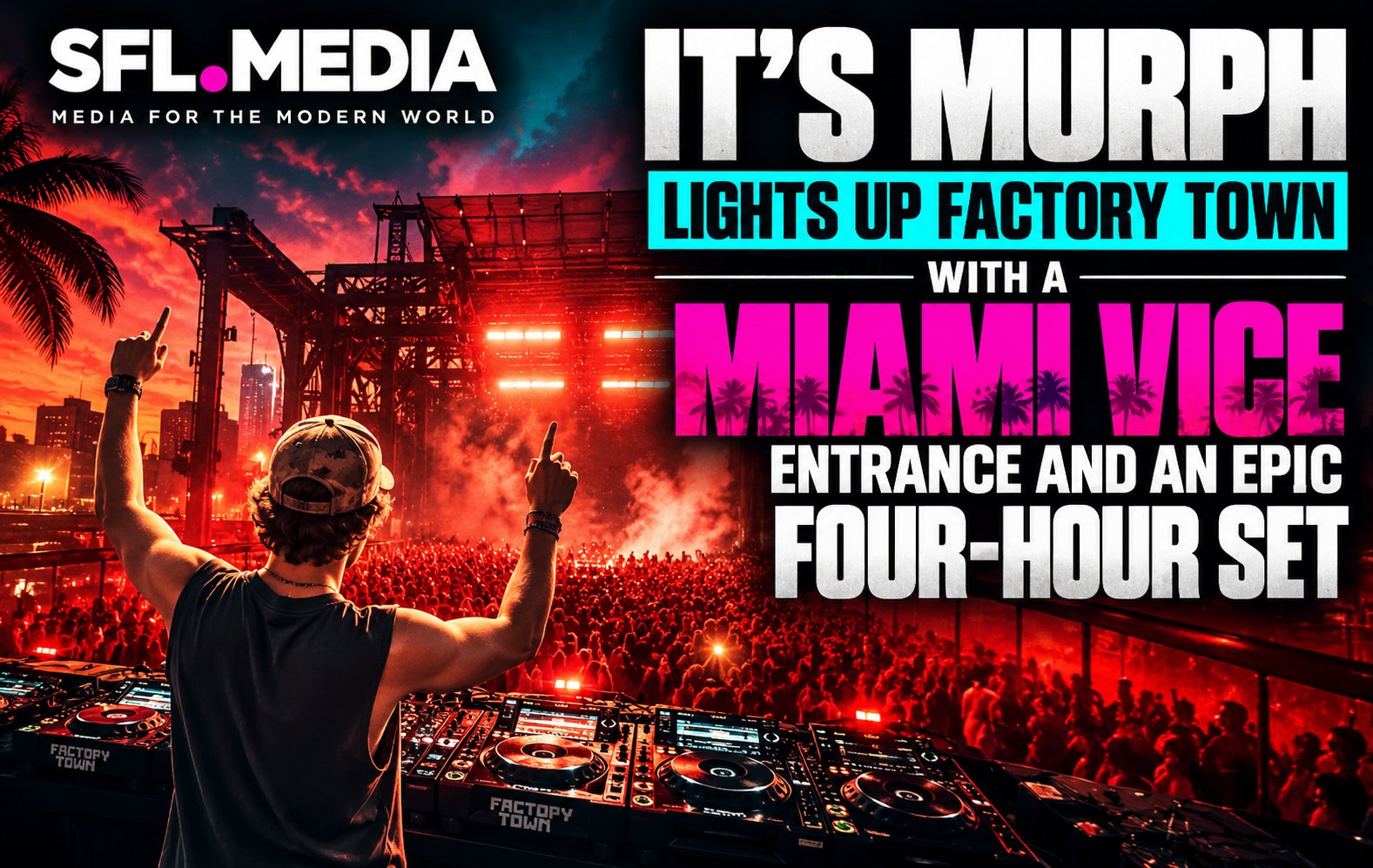
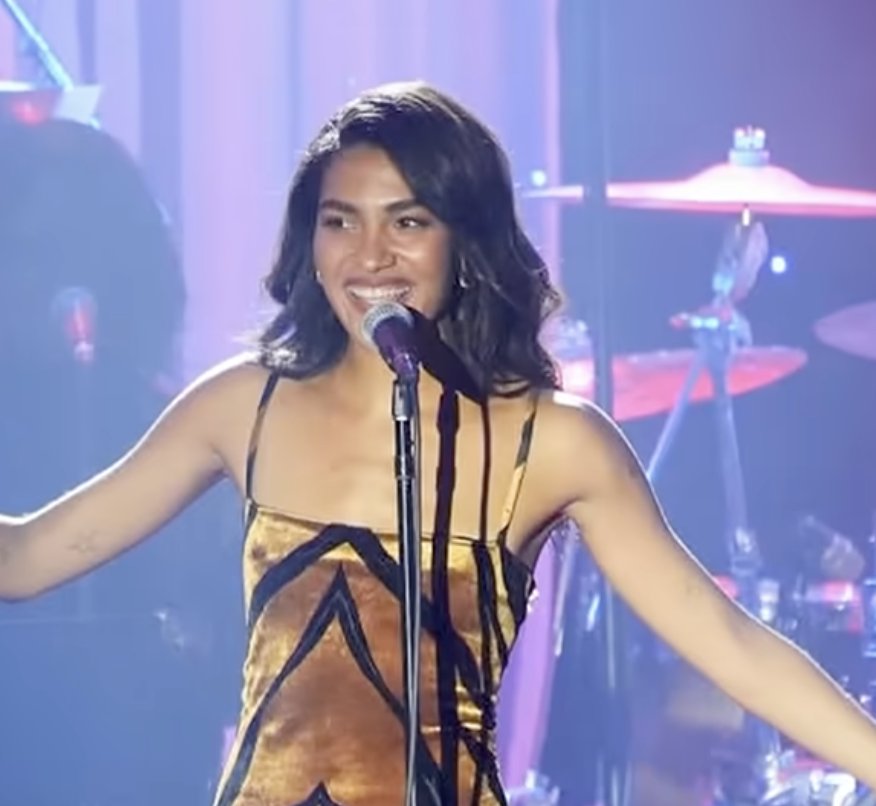
Miami has never needed much encouragement to stay on the dance floor, but when it’s murph arrived at Factory Town for his September headline debut, the Nashville born producer wasn’t interested in delivering a conventional festival style sprint through his biggest records. Instead, Garrett Murphy took control of one of South Florida’s most distinctive electronic music venues for an extended four hour set built around something increasingly difficult to find in modern dance music: patience.
The performance, now available in full on Murphy’s official YouTube channel, stretches across roughly four hours and moves through melodic house, progressive classics, harder club records, unreleased material and many of the songs that have fueled his rapid rise through American electronic music. Factory Town promoted the Sept. 19 appearance as Murphy’s headline debut at the Miami venue, with Westend and Close Friends Only also appearing on the bill.
For Murphy, the length of the set was part of the point. Rather than treating the night as a collection of drops designed to produce isolated viral moments, he described the extended format as an opportunity to build an actual experience as his approach to performing evolves.
“As I get older, I want my shows to be more catered and mature. Playing a four-hour set where you trust me to create a show experience and build energy throughout the night is really special for me.”
That philosophy is audible throughout the Factory Town recording. The energy rises, retreats and rebuilds instead of remaining permanently pinned at maximum intensity, giving Murphy enough room to move between his own increasingly recognizable catalog and records from artists who helped shape the broader house and electronic landscape.
The Set Opens With Miami Baked Into the Music
Murphy wastes almost no time acknowledging where he is. Roughly 24 seconds into the recording, Jan Hammer’s iconic “Miami Vice Theme” emerges from the speakers, an obvious but effective piece of South Florida scene setting before the set begins moving decisively toward contemporary club music. By the two minute mark, Murphy is into “Riot,” his collaboration with Marco Strous and S. Product, establishing early that the performance will move freely between his own productions and records spanning multiple generations of electronic music.
From there, the first hour establishes the night’s broad musical vocabulary rather than locking itself into a single subgenre. Black Eyed Peas and Tiësto’s “Pump It Louder” arrives around 15 minutes in, followed several minutes later by “Lost,” Murphy’s collaboration with RSCL and Twin Diplomacy featuring Jack August. The track became an important early marker in Murphy’s career, helping introduce the young producer to a much larger dance audience before “Food for the Soul” accelerated that rise.
The early section also reveals Murphy’s willingness to reach backward through electronic music history. Around the half-hour mark comes an edit involving Eric Prydz’s “Proper Education,” followed shortly afterward by Avicii and Lenny Kravitz’s “Superlove.” Those selections connect Murphy’s contemporary melodic-house sound to an earlier generation of emotionally charged electronic records without turning the performance into a nostalgia set.
Four Hours Gives Murphy Something a 60 Minute Festival Set Cannot
The most interesting aspect of the Factory Town performance isn’t necessarily any individual track. It is what Murphy does with the additional time. Electronic festival sets are frequently compressed into approximately an hour, forcing DJs to establish themselves quickly and maintain enough intensity to keep enormous crowds engaged. A four hour headline performance changes that equation, creating room for tension, transitions, deeper records and stretches that do not need to immediately deliver a recognizable vocal or enormous drop.
Murphy takes advantage of that freedom as the second hour increasingly blends his own material with harder club selections. “Down Low,” his collaboration with Sorana, appears around the 56-minute mark, followed by “High and I Like It” with Evalyn. Rank 1’s trance classic “Airwave” surfaces shortly after the one-hour point before Murphy works toward “Chemicals,” his collaboration with Nat Slater. Layton Giordani, HILLS, Majestic and Jungle 70’s “Bassline” then pushes the performance deeper into club territory before Murphy returns to his own material with a rework of “My Love.”
The sequence provides a useful illustration of how broad Murphy’s definition of house music has become. His catalog can be euphoric and vocal driven, but the Factory Town set repeatedly introduces heavier basslines and darker club textures around those melodic moments. Duke Dumont and Shaun Ross’ “Red Light Green Light” appears later in the second hour, followed by Mau P’s “Just A Little Bit More,” giving the middle portion of the performance considerably more weight than its melodic opening might initially suggest.
From USC Student to Four Hour Miami Headliner
The Factory Town performance also illustrates how quickly Murphy’s career has developed. Raised in Nashville in a musical household, Murphy played piano and sang in choir before becoming increasingly interested in electronic music. He later moved to Los Angeles to attend the University of Southern California, where he continued producing music and DJing while still a student.
His breakthrough began with “Lost” in 2022 before accelerating dramatically with “Food for the Soul” in 2023. Murphy has described the latter as a record created while he was still a USC senior, after years of learning production and repeatedly returning to electronic music despite earlier frustrations with his work. The song became a viral success and helped transform what had still been a college-era project into a professional touring career.
Major festival appearances followed, including Coachella and Bonnaroo, while Murphy continued releasing singles and developing a catalog that increasingly combined emotional songwriting with dance floor production. That progression eventually produced his debut full-length album, “Weightless,” giving Murphy considerably more original material to incorporate into the extended performances he now says he wants to pursue.
At Factory Town, those years of music become the backbone of a much larger DJ performance rather than simply a collection of recognizable singles.
The Second Half Becomes the Heart of the Set
As the recording passes the two-hour mark, Murphy begins stacking some of his most melodic material together. “Lift Me Up,” with Twin Diplomacy and Liv Grace Blue, appears shortly after the two-hour point, followed by “Here With Me Now,” his collaboration with Khalid, and “Forever Young” with Kate Morgan. The sequence provides one of the performance’s most concentrated stretches of Murphy’s own melodic sound.
The mood does not remain there indefinitely. Boris Brejcha’s “On His Way” pushes the set back toward a darker and more hypnotic electronic atmosphere before The Temper Trap’s “Sweet Disposition” arrives through the John Summit and Silver Panda remix around the two and a half hour mark. That juxtaposition becomes one of the strengths of the extended performance: Murphy can move from recognizable indie electronic emotion into contemporary club pressure without making the night feel as though it has abandoned its central identity.
His own “Stone Cold Eyes,” featuring Emi Grace, appears later in the third hour, followed by “Fetish,” his collaboration with Solardo and ero808. By this stage, the recording feels considerably removed from the bright opening stretch, but that is precisely what an extended set allows. Instead of maintaining one energy level for four straight hours, Murphy can take the room somewhere darker before eventually beginning the journey back.
The Final Hour Turns Toward Murphy’s Own Catalog
By the final hour, Murphy increasingly returns to his own music. “Through My System,” with Arlo and Emi Grace, arrives shortly after the three hour mark, followed approximately 10 minutes later by “Body High.” “Youthful Kids,” one of the earlier records associated with his euphoric sound, appears around 3:26 before Murphy makes another trip outside his own generation of music with Purple Disco Machine’s remix of The Human League’s “Don’t You Want Me.”
From there, the performance becomes increasingly autobiographical. “Food for the Soul” appears at approximately 3:46, bringing the set back to the record that helped transform Murphy from a college student posting music online into an internationally touring electronic artist. “Weightless,” featuring Arlo and Allegra Miles, follows before Murphy eventually closes the journey with “Fade Together.”
The sequencing feels deliberate. After spending hours pulling records from across house, trance, progressive and contemporary club music, Murphy ends by returning heavily to the songs that define his own career. Instead of dumping his biggest material into the opening hour, he makes the audience wait for some of it, allowing those records to function as the payoff to the musical journey rather than merely promotional obligations inside the set.
Factory Town Remains One of Miami’s Most Distinctive Dance-Music Spaces
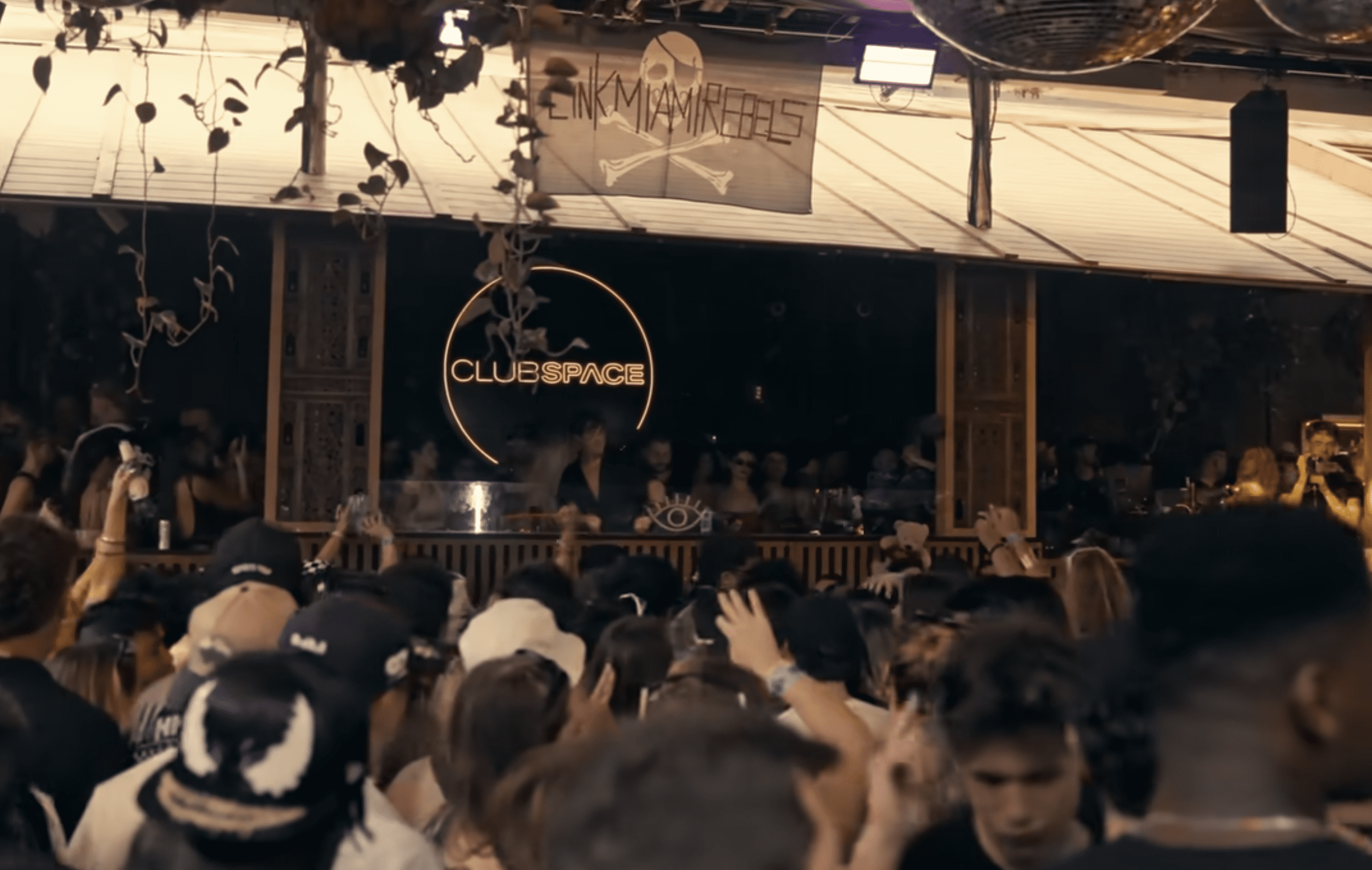
The location matters almost as much as the track selection. Factory Town has become an important part of Miami’s modern electronic music ecosystem precisely because it does not feel like a conventional nightclub. The sprawling open air complex at 4800 NW 37th Avenue occupies an industrial environment near the Miami-Hialeah border and has developed into a major destination for electronic programming, particularly during the region’s busiest dance music weeks.
For an artist attempting a four hour performance, that environment provides a different canvas than a tightly scheduled festival stage. The audience arrives expecting a long night rather than a short burst, giving a DJ an opportunity to establish a relationship with the room, change direction, lower the intensity and gradually rebuild it without constantly racing toward the next major drop. Murphy’s Factory Town performance embraces that format rather than fighting against it.
That makes the venue particularly well suited to the type of evolution Murphy describes when he talks about wanting his shows to become more mature and carefully constructed. An extended Factory Town set allows him to behave less like an artist performing a predetermined collection of songs and more like a traditional club DJ responsible for controlling the arc of an entire night.
A DJ Set That Shows Where it’s murph Is Going
There is an important difference between playing your records for four hours and actually programming four hours of music, and the Factory Town recording suggests Murphy increasingly understands that distinction. His biggest songs are present, but they do not dominate every section. He gives himself permission to move through older electronic records, contemporary club music, harder selections, melodic releases and extended transitional passages before repeatedly returning to his own catalog.
That makes the performance more interesting as a snapshot of Murphy’s development than a conventional greatest-hits DJ set would have been. He is no longer simply the young producer associated with “Food for the Soul.” He now has enough original material, touring experience and musical vocabulary to construct a long-form performance around it while still drawing openly from the artists and eras that helped shape his sound.
Miami was an appropriate place to showcase that evolution. Beginning with the “Miami Vice Theme” and ending nearly four hours later after traveling through Avicii, Eric Prydz, Rank 1, Duke Dumont, Mau P, Boris Brejcha, John Summit, Purple Disco Machine and a substantial portion of Murphy’s own catalog, the Factory Town set works as both a dance floor performance and a statement about the kind of DJ Murphy appears interested in becoming.
In an electronic music landscape increasingly dominated by short clips, immediate drops and festival performances designed to capture attention within seconds, four hours asks considerably more from both the artist and the audience. Murphy’s Factory Town set makes a compelling case for what can happen when a DJ is given enough time to stop chasing individual moments and instead build an entire night.
Sources & Further Reading
YouTube — “it’s murph — LIVE @ Factory Town”
https://www.youtube.com/watch?v=S4BEvN0VgDk
Factory Town — it’s murph, September 19, 2026
https://www.factorytown.com/event/its-murph-2026-09-19-miami-fl/
Factory Town — it’s murph Headline Debut
https://factory-town.hive-pages.com/itsmurph
Resident Advisor — it’s murph at Factory Town
https://ra.co/events/2458755
AllMusic — it’s murph Biography and Discography
https://www.allmusic.com/artist/its-murph-mn0004462450
SoundCloud — it’s murph, “Food for the Soul”
https://soundcloud.com/its-murph-987074444/foodforthesoul




























Want to join the conversation?
Create an account or sign in to share your thoughts, vote,
and reply to other readers.
Showing 0 of 0 comments
Don't have an account?
Already have an account?