
Players Voice Frustrations About Hotel Conditions
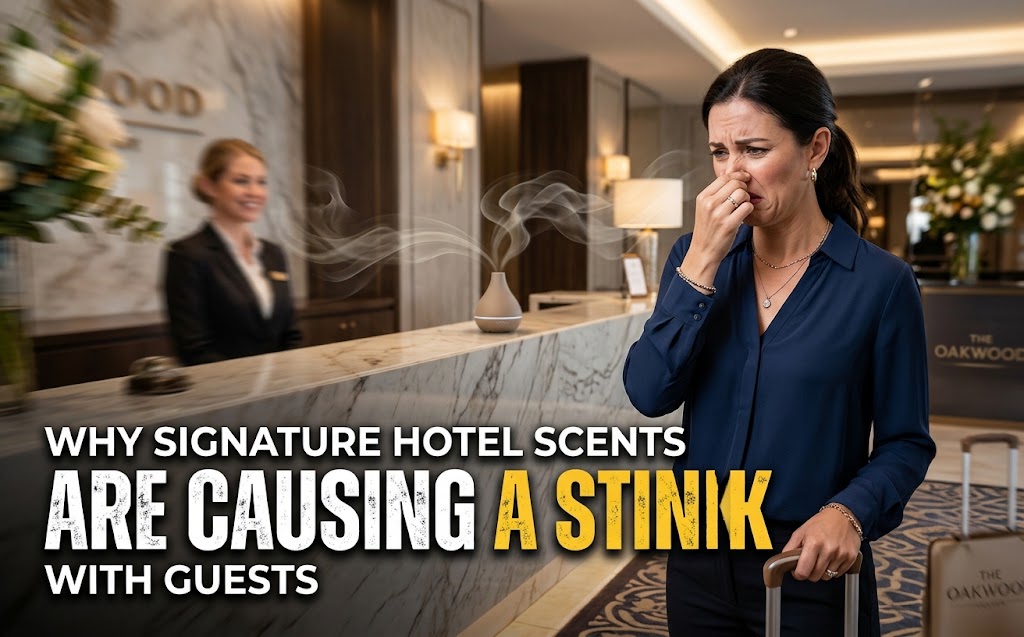
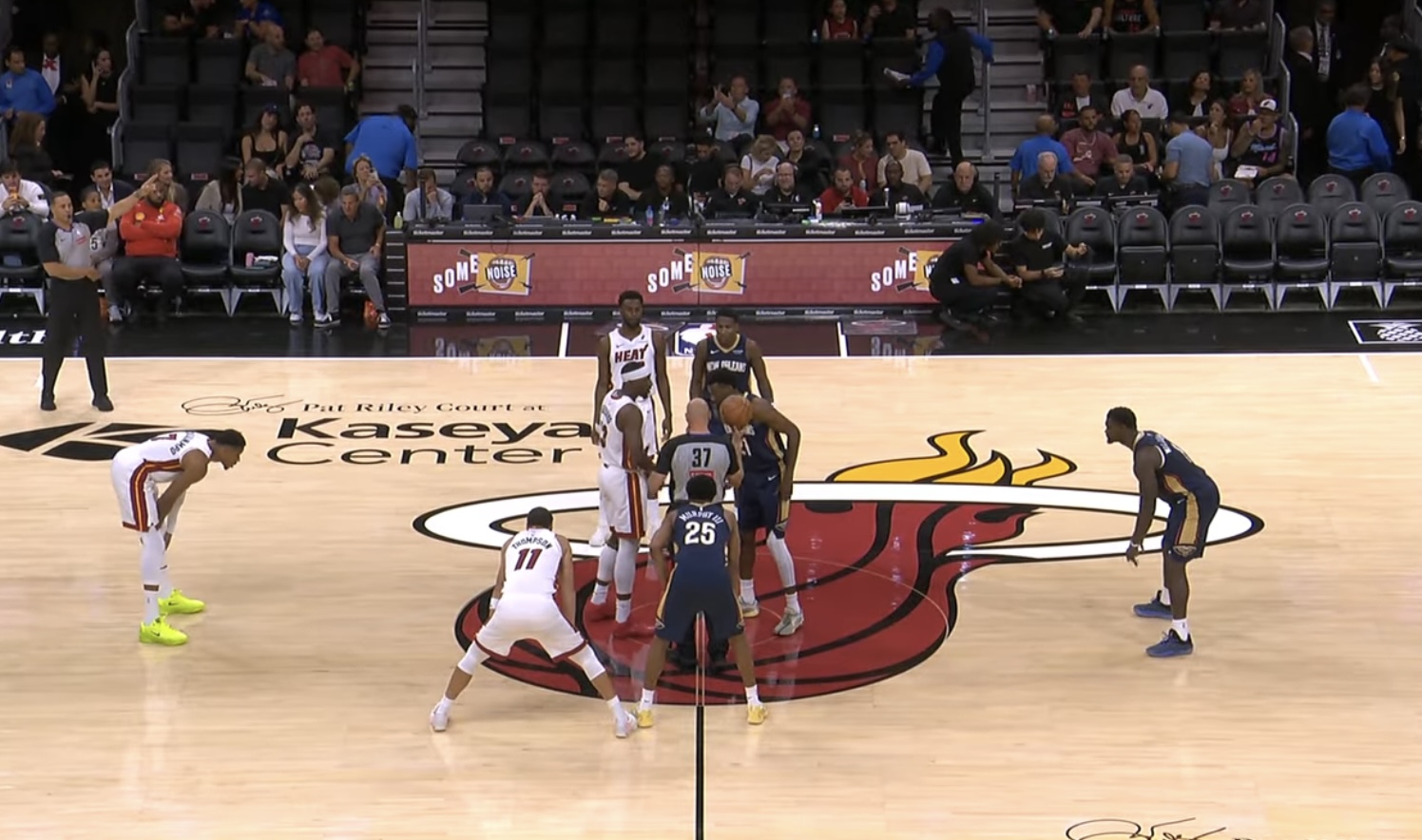
Several NBA players have publicly criticized the condition of downtown Memphis hotels, putting the city’s hospitality industry under an uncomfortable national spotlight. The comments surfaced during podcast appearances and interviews, where players described subpar accommodations while visiting Memphis for games against the Memphis Grizzlies. Minnesota Timberwolves star Anthony Edwards raised concerns about cleanliness and overall hotel quality, suggesting that his experience in Memphis did not match the standards players are accustomed to in other NBA markets. Golden State Warriors forward Draymond Green also referenced negative experiences, including a reported incident involving a hotel sprinkler system malfunction that disrupted a team stay. The remarks quickly gained traction on social media, amplifying scrutiny of Memphis’ downtown lodging options.
Hospitality Experts Push Back With Context
Local hospitality experts have responded by stressing that NBA teams typically stay at league-designated contract hotels rather than selecting accommodations independently. Industry analysts note that Memphis, as a smaller NBA market, has fewer luxury hotel options compared to cities like New York, Miami, or Los Angeles. Downtown Memphis has approximately 4,000 hotel rooms spread across roughly two dozen properties. While that inventory supports conventions and sporting events, it does not offer the same depth of four- and five-star accommodations available in larger metropolitan areas. Experts argue that market size, development cycles, and investment levels all influence the type and quality of properties available.
The Sheraton Factor and Broader Development Challenges
One complicating factor has been the status of the former Sheraton hotel downtown. The City of Memphis acquired the property in 2024 with plans for renovation and redevelopment. However, portions of the hotel have remained offline or in transition, limiting high-capacity options for major events and visiting groups. That gap in inventory has been cited by tourism stakeholders as a structural challenge rather than an isolated operational failure. City officials and tourism leaders have emphasized ongoing efforts to modernize downtown hospitality infrastructure. Training programs for hotel staff and broader redevelopment initiatives are underway, aimed at elevating service standards and attracting future investment. Large-scale conventions scheduled in coming years are expected to test whether those efforts translate into improved guest experiences.
A Reputation Battle Beyond Basketball
The controversy underscores how quickly perception can shift when high-profile athletes weigh in publicly. NBA players travel constantly and compare experiences across markets, meaning negative commentary can shape broader narratives about a city’s brand. For Memphis, the episode has become less about one hotel stay and more about competitiveness. In an era where cities compete aggressively for tourism dollars, conventions, and sports-related spending, hospitality quality is economic strategy. Whether this moment results in meaningful upgrades or fades as a social media flashpoint will likely depend on investment, accountability, and sustained attention to visitor experience. What is clear is that when NBA players speak, people listen. And for Memphis, the spotlight is now squarely on downtown hospitality.




























Want to join the conversation?
Create an account or sign in to share your thoughts, vote,
and reply to other readers.
Showing 0 of 0 comments
Don't have an account?
Already have an account?