
Supreme Court Declines to Revisit Marriage Equality
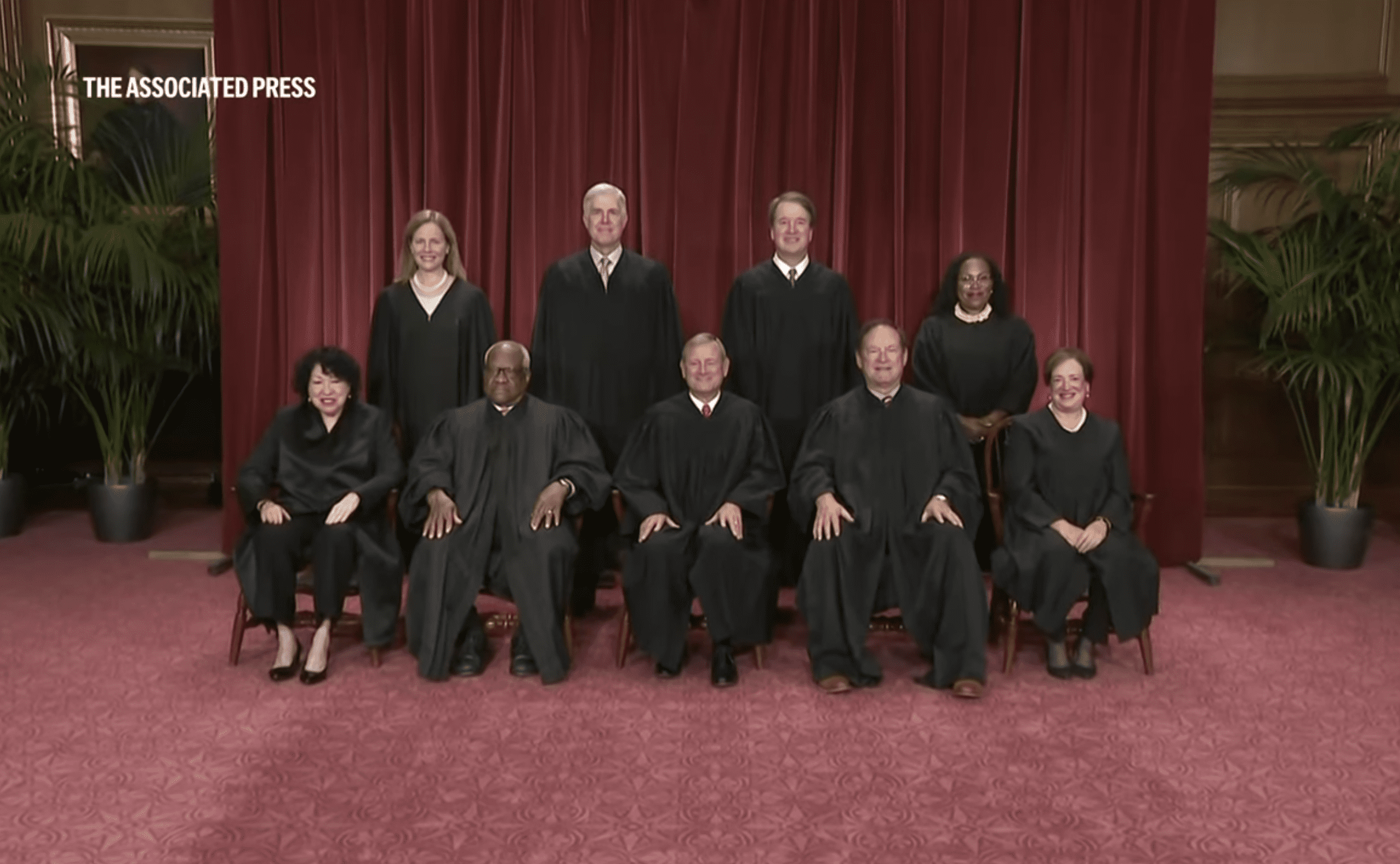
The U.S. Supreme Court on Monday declined to hear a case that sought to overturn its 2015 decision in Obergefell v. Hodges, the landmark ruling that legalized same-sex marriage nationwide. The decision effectively preserves marriage equality as constitutional law, marking a significant setback for conservative activists who had hoped the court’s 6-3 conservative majority might reconsider the issue.
Background on the Case
The appeal stemmed from Kim Davis, a former county clerk from Kentucky who became a national figure in 2015 after refusing to issue marriage licenses to same-sex couples, citing her religious beliefs. Davis was later ordered to pay more than $360,000 in damages and attorney fees to a married gay couple whose rights she violated. In mid-2025, Davis and her legal team petitioned the Supreme Court to revisit Obergefell, calling it “egregiously wrong” and arguing that the Constitution does not guarantee the right to same-sex marriage.
The Court’s Refusal and Its Meaning
By declining to hear Davis’s petition, the justices left the lower court’s ruling—and Obergefell itself—intact. The court did not issue a written opinion explaining its decision. While Justices Clarence Thomas and Samuel Alito have previously questioned the legal reasoning behind Obergefell, most of the court’s current conservative bloc did not support reopening the debate. Legal analysts say the move signals that, despite its ideological composition, the court is not eager to overturn established civil rights precedents tied to marriage equality.
Impact Across the Country and in South Florida
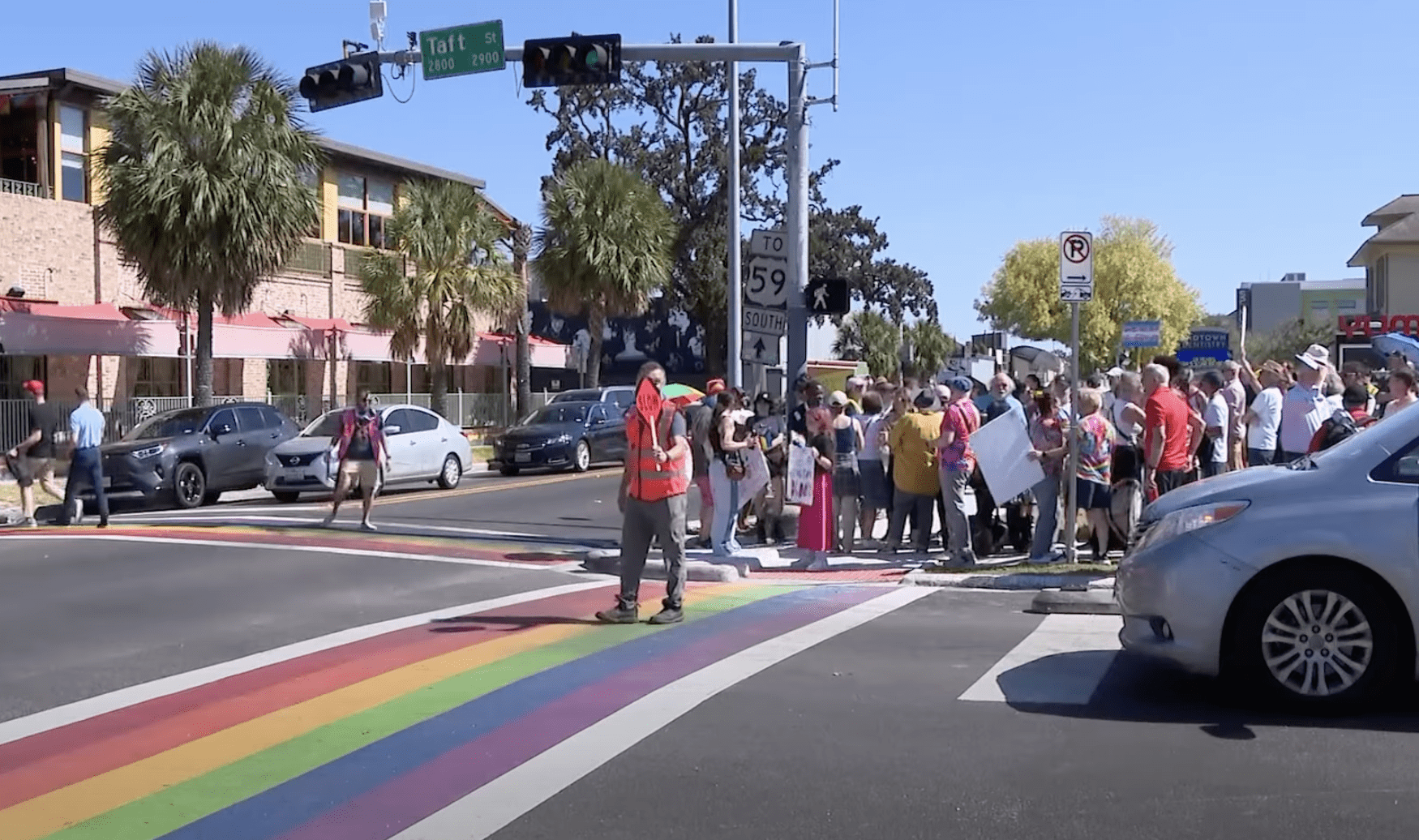
For same-sex couples and families in South Florida and across the nation, the decision provides reassurance that their marriages remain legally protected under federal law. Advocacy groups such as the Human Rights Campaign called the court’s refusal a “victory for love and liberty,” but also warned that continued vigilance is essential. In politically divided states like Florida, advocates note that legislative efforts could still emerge to test the limits of religious freedom versus civil rights protections.
The Ongoing Legal and Political Fight
Organizations like Liberty Counsel, which represented Davis, have already vowed to continue challenging Obergefell through other cases and legal arguments centered on religious liberty. Meanwhile, LGBTQ+ advocates are urging Congress and state legislatures to strengthen statutory protections in case future courts become more receptive to such challenges. In South Florida, where LGBTQ+ rights activism remains a vital part of civic life, the decision underscores the importance of both judicial and local engagement in preserving equality.
Looking Ahead
The Supreme Court’s refusal to hear the case does not end the broader political and cultural battle over same-sex marriage. It does, however, reaffirm that marriage equality remains the law of the land. For now, the court has chosen stability over upheaval, but the debate over personal belief, public duty, and constitutional rights continues to evolve—especially in regions like Florida, where political and social divisions are increasingly sharp.
















































Want to join the conversation?
Create an account or sign in to share your thoughts, vote,
and reply to other readers.
Showing 0 of 0 comments
Don't have an account?
Already have an account?