
Tourists Light Up World Cup
The 2026 FIFA World Cup is delivering more than world class soccer matches. Across the United States, host cities are experiencing a surge of international visitors, packed hotels, crowded restaurants, and booming local economies as fans travel from around the globe to be part of the tournament.
With matches spread across major metropolitan areas, the World Cup has transformed cities from coast to coast into international gathering places, showcasing American culture, tourism, and hospitality on a global stage.
Miami Emerges as a Global Soccer Destination
Miami has become one of the tournament’s most vibrant host cities. The region’s strong ties to Latin America, diverse population, and iconic beaches have made it a natural destination for international fans. Visitors are filling hotels throughout Miami Beach, Downtown Miami, and surrounding areas while local businesses benefit from increased foot traffic and tourism spending. Fan celebrations, cultural events, and viewing parties have turned the city into a nonstop soccer festival, reinforcing South Florida’s growing reputation as a major international sports destination.
New York Area Hosts the Tournament’s Biggest Stage
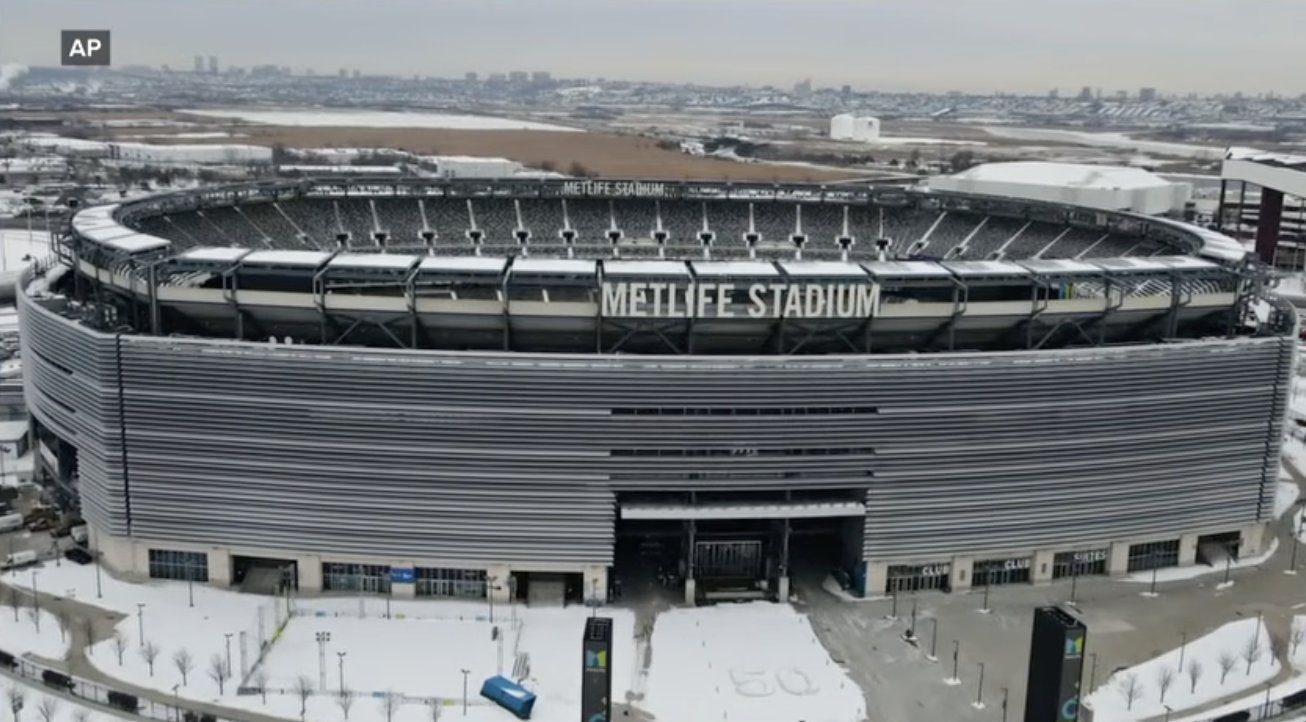
The New York metropolitan region is serving as one of the tournament’s focal points, with MetLife Stadium hosting some of the competition’s most significant matches. Tourists are flocking to Manhattan, Brooklyn, and neighboring communities, creating a substantial boost for hotels, restaurants, entertainment venues, and local attractions. For many international visitors, the World Cup provides an opportunity to experience one of America’s most recognizable cities while supporting their national teams.
Dallas and Arlington Welcome Global Visitors
North Texas has become a major center of World Cup activity. Matches at AT&T Stadium in Arlington are drawing fans from around the world, bringing significant economic benefits to the Dallas Fort Worth region.
Local businesses, transportation providers, hotels, and entertainment districts are seeing increased demand as thousands of visitors arrive for matches and related events. The region’s extensive transportation network has also made it a key hub for fans traveling between host cities.
Los Angeles Delivers Hollywood Style Atmosphere
Los Angeles is combining sports and entertainment as fans gather for matches and celebrations throughout the city. Visitors are taking advantage of Southern California’s beaches, attractions, and nightlife while attending World Cup events. The city’s international appeal and diverse communities have helped create a unique atmosphere where supporters from dozens of countries can celebrate together.
Houston Benefits From International Connections
Houston’s multicultural population and strong international ties have made it a welcoming destination for World Cup visitors. Fans are gathering throughout the city to enjoy matches, local cuisine, and cultural events. Tourism officials have reported strong interest from visitors traveling from Latin America and other soccer loving regions of the world. Atlanta, Seattle, Philadelphia, Boston, Kansas City, and the Bay Area Join the Celebration
Other host cities are also experiencing significant tourism gains. Atlanta is attracting visitors through its sports culture and transportation infrastructure, while Seattle’s passionate soccer fan base has helped create an energetic tournament atmosphere.
Philadelphia and Boston are drawing international tourists interested in combining World Cup matches with historic attractions, while Kansas City has emerged as one of the tournament’s surprise success stories. In Northern California, visitors attending matches are exploring destinations throughout the San Francisco Bay Area and beyond.
Economic Impact Extends Beyond the Stadiums
The benefits of the World Cup extend far beyond ticket sales. Visitors are spending money on accommodations, dining, transportation, shopping, entertainment, and local attractions. Economic analysts expect the tournament to generate billions of dollars in economic activity across host cities and surrounding regions.
For many communities, the event also serves as a long term investment in tourism and international visibility. City leaders hope the global exposure will encourage future visitors long after the final match is played.
A Nationwide Showcase
As fans continue to arrive from every corner of the globe, the World Cup is proving to be more than a sporting event. It is a nationwide showcase of American cities, cultures, and communities. From the beaches of South Florida to the streets of New York and the stadiums of Texas and California, the tournament is creating memorable experiences for visitors while delivering a major boost to local economies across the United States.



















































Want to join the conversation?
Create an account or sign in to share your thoughts, vote,
and reply to other readers.
Showing 0 of 0 comments
Don't have an account?
Already have an account?