
Trump Says U.S. Will “Run” Venezuela and the Bigger Question: Will He Ever Let Go?
WASHINGTON — President Donald Trump has declared that the United States will effectively govern Venezuela following a U.S. military operation that captured Venezuelan President Nicolás Maduro and his wife, Cilia Flores. Speaking Saturday from Mar-a-Lago, Trump said the U.S. would remain in control “until such time as a proper transition can take place,” adding that he is not afraid of deploying American troops on Venezuelan soil.
The remarks followed a dramatic overnight operation involving U.S. special operations forces and coordinated strikes that caused explosions and temporary power outages in parts of Caracas. Trump confirmed that Maduro and Flores are being transported to the United States to face federal charges, including long-standing indictments related to narcotics trafficking and conspiracy.
What began as a military action is now being framed by Trump as something far larger: a U.S.-run transitional authority over an oil-rich nation of 28 million people.
“We’re Going to Run It”
Trump’s language was unusually explicit. He said the United States is already “there now” and will stay until Washington determines Venezuela is “run properly.” Standing behind him were Secretary of State Marco Rubio and Secretary of Defense Pete Hegseth, whom Trump suggested would be directly involved in overseeing the country during the interim period. He confirmed that U.S. forces were already on the ground during the operation and said additional deployments remain an option.
The administration has not released a legal framework for how the United States would administer Venezuela, nor has it identified a Venezuelan governing body that would immediately assume authority.
Oil at the Center of the Plan
Trump made clear that Venezuela’s vast oil reserves are central to his vision. He said U.S. oil companies would move into the country under military protection, invest billions of dollars to repair decayed infrastructure, and begin extracting oil at scale. The proceeds, Trump said, would be used both to benefit the Venezuelan people and to reimburse the United States for “damages caused us by that country,” a formulation that echoes arguments made during the run-up to the Iraq War two decades ago. He also warned that the U.S. military is prepared to carry out a second, larger attack if necessary to secure the operation and protect American energy interests.
Who Governs Venezuela Now?
Trump said his administration has been in contact with Venezuelan Vice President Delcy Rodríguez and claimed she appeared cooperative, though Rodríguez has publicly condemned the operation as a kidnapping and demanded Maduro’s immediate release.
Trump was vague on who, specifically, would govern Venezuela day to day. He said the people “standing right behind me” would oversee the transition and that additional figures would be designated later. Notably, Trump dismissed opposition leader María Corina Machado, widely viewed internationally as Maduro’s most credible electoral challenger, saying she lacks support inside the country. That statement has angered many in Venezuela’s opposition, including figures who previously supported tougher U.S. action against Maduro.
Lawmakers Briefed After the Fact
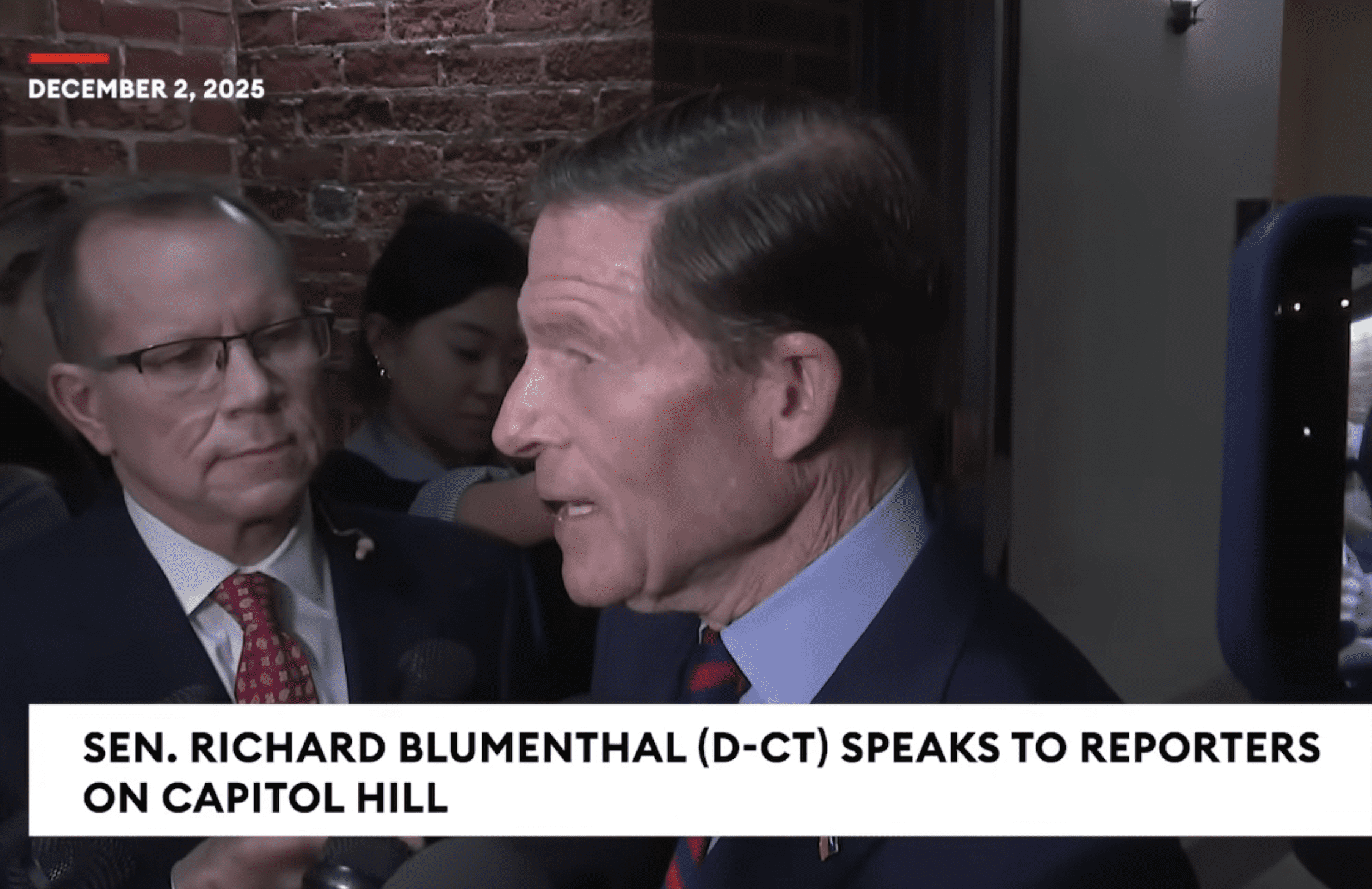
Administration officials acknowledged that Congress was not notified in advance of the operation. Rubio said the mission could not be disclosed beforehand without risking its success. Some Republican leaders praised the operation as decisive and overdue, while others along with Democrats questioned whether the president has constitutional authority to remove a foreign head of state and commit the U.S. to what increasingly resembles an open-ended occupation.
The Question Hanging Over All of This
Trump’s supporters are already calling the operation his greatest military success, the rare removal of a foreign leader without U.S. casualties. Trump himself described watching the raid unfold “like a television show.” That framing matters.
Trump is not known for relinquishing control once he has it, particularly when he views an outcome as a personal victory. He has already framed the seizure of Venezuela as both a geopolitical win and an economic one, repeatedly emphasizing oil, reimbursement, and American dominance.
It raises an unavoidable question: if this is Trump’s clearest military triumph one he can brand, celebrate, and monetize politically is there any real incentive for him to step away? Some Republicans privately joke that a “Trump Liberation Day” holiday is inevitable. Others worry it won’t be a joke at all, and that Trump could try to keep the oil-rich nation under U.S. control permanently.
A Precedent With Long-Term Consequences
The United States has not directly removed a Latin American leader since the 1989 invasion of Panama. Trump’s declaration that the U.S. will “run” Venezuela revives memories of U.S. occupations, resource extraction, and prolonged military entanglements, even as Trump insists this time will be different.
For now, Maduro is headed to a U.S. courtroom, American oil companies are preparing to move in, and Washington is asserting de facto control over a sovereign nation. Whether this is truly a temporary transition or the start of something Trump has no intention of letting go remains the most consequential unanswered question.










































Want to join the conversation?
Create an account or sign in to share your thoughts, vote,
and reply to other readers.
Showing 0 of 0 comments
Don't have an account?
Already have an account?