
Trump Says U.S. Must Help Choose Iran’s Next Leader as War Escalates Across the Middle East
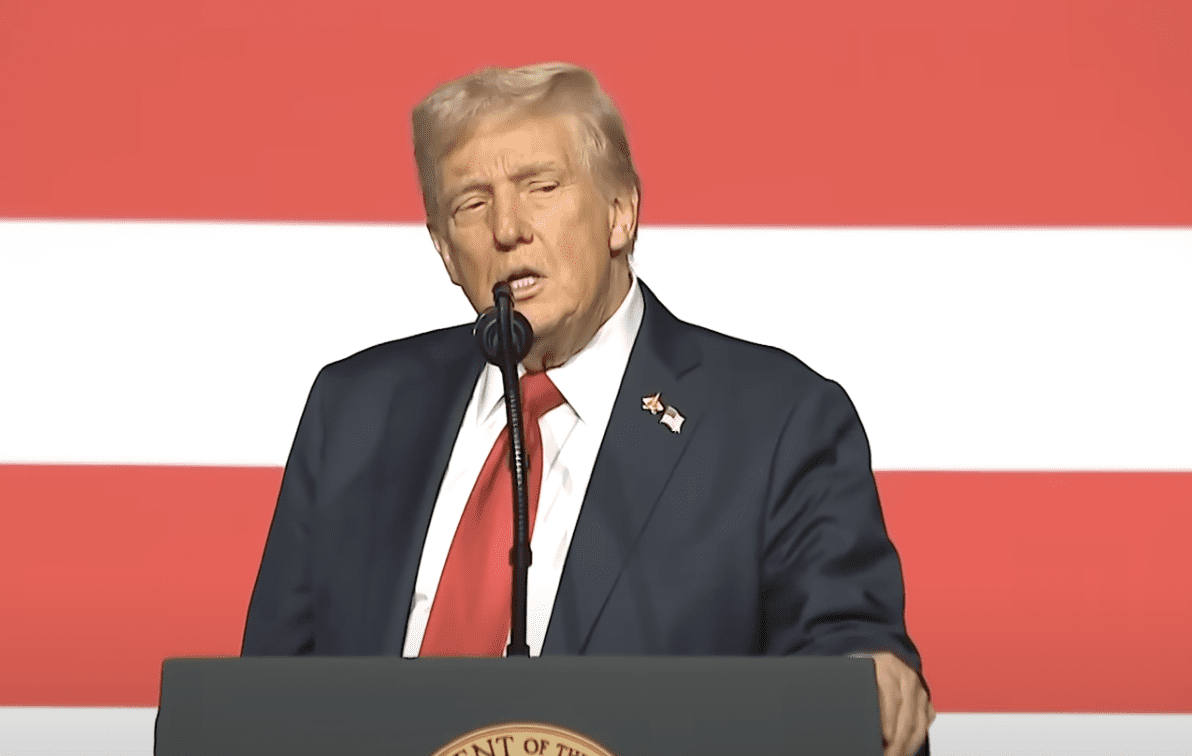
WASHINGTON — President Donald Trump says the United States should play a direct role in determining who leads Iran next, a statement that underscores the extraordinary geopolitical stakes unfolding as the conflict between the U.S., Israel, and Iran intensifies across the region.
In an exclusive interview with Reuters, Trump argued that Washington should participate in selecting the Islamic Republic’s next leader following the death of Supreme Leader Ayatollah Ali Khamenei in a military strike at the start of the war. The remark signals a dramatic expansion of U.S. ambitions in the conflict — moving beyond military action to openly discussing political succession inside Iran.
“We’re going to have to choose that person along with Iran. We’re going to have to choose that person,” Trump told Reuters.
The comments come as airstrikes and proxy fighting across the Middle East continue to escalate, with more than 1,000 people reported killed in the conflict so far, including at least six U.S. service members.
A Leadership Vacuum in Tehran
Khamenei’s death has created a historic power vacuum inside the Islamic Republic, the first since the country’s revolutionary founder, Ayatollah Ruhollah Khomeini, died in 1989. One possible successor, Mojtaba Khamenei, the late leader’s son, has emerged as a front runner among Iran’s ruling clerical elite. But Trump signaled skepticism about that possibility.
“I think the next leader of Iran is unlikely to be Khamenei’s son,” Trump said.
The president did not provide details on whom the United States might support but suggested the process should involve coordination with Iranian actors to produce a government that would stabilize the region and avoid future wars.
“We want to be involved in the process of choosing the person who is going to lead Iran into the future,” Trump said. “We want somebody that’s going to be great for the people, great for the country.”
Trump also indicated that a wide range of candidates could be considered, including figures outside Iran’s current ruling system. When asked about Reza Pahlavi, the exiled Iranian crown prince and son of the last shah who ruled before the 1979 Islamic Revolution, Trump suggested the field is still open.
“I think everybody’s in the mix. It’s very early.”
Encouraging Kurdish Forces to Strike
Trump also signaled support for potential Kurdish military operations inside Iran. Iranian Kurdish groups based in neighboring Iraq have reportedly been discussing whether to launch attacks on Iranian security forces in western Iran, an effort aimed at weakening Tehran’s military during the ongoing war. Trump made clear he would welcome such actions.
“I think it’s wonderful that they want to do that. I’d be all for it,” the president said.
When asked whether the United States would provide air cover for Kurdish fighters, Trump declined to give a direct answer but said the objective would be simple:
“To win.”
According to sources familiar with the discussions, Kurdish militias along the Iran-Iraq border have been consulting with U.S. officials about possible operations and have been training for potential incursions into Iranian territory. Such a move would open another front in the conflict and could significantly destabilize Iran’s western provinces.
Oil, Shipping, and the Strait of Hormuz
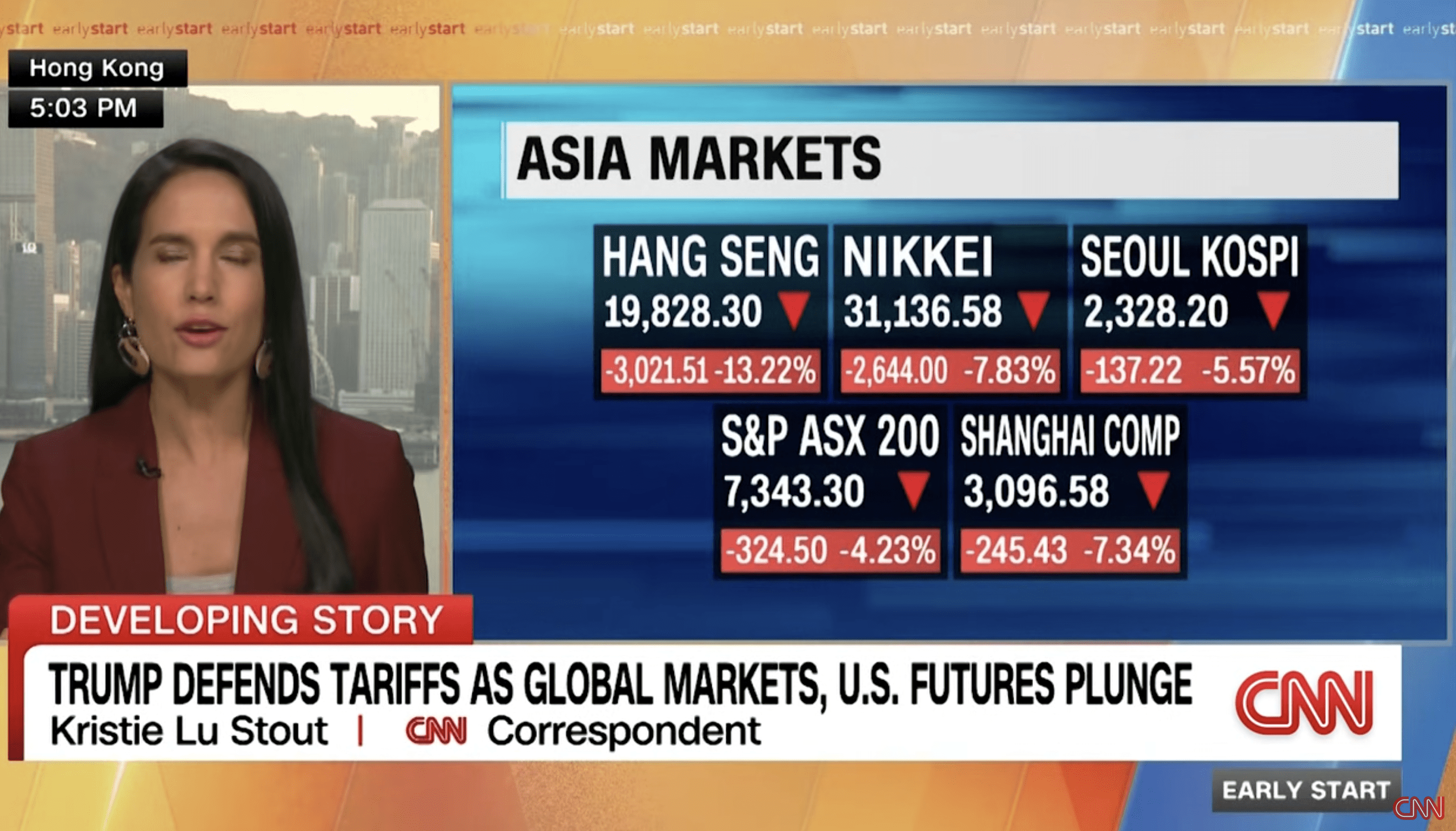
The expanding war has already begun disrupting global energy markets. Iran has long threatened to close the Strait of Hormuz, the narrow waterway between Iran and Oman through which roughly 20 percent of the world’s oil and liquefied natural gas flows. Recent Iranian attacks on commercial vessels have already slowed shipping traffic through the critical chokepoint. Despite the risks, Trump expressed confidence the route would remain open.
“They have no navy. The navy is now at the bottom of the sea,” Trump said. “I’m watching Hormuz very closely.”
Oil prices have surged since the conflict began, and additional tanker attacks were reported in Gulf waters Thursday as Iranian drones entered Azerbaijani airspace, raising fears that the war could spread further into the region.
Trump Shrugs Off Gas Price Concerns
With energy markets rattled, rising gasoline prices could become a domestic political issue in the United States. Trump, however, dismissed those concerns.
“They’ll drop very rapidly when this is over,” Trump said. “And if they rise, they rise. But this is far more important than having gasoline prices go up a little bit.”
The president declined to predict how long the war might last but said the campaign against Iran is progressing faster than expected.
“I would say it’s moving along ahead of schedule and much stronger than anybody would have ever expected.”
A War Expanding Beyond Iran
The conflict that began with coordinated U.S. and Israeli strikes on Iranian targets has rapidly escalated into a broader regional crisis involving drone attacks, missile strikes, proxy militias, and threats to global shipping. Trump’s comments about helping choose Iran’s next leader suggest the United States may be thinking beyond military victory, toward reshaping Iran’s political future. That prospect raises profound questions about sovereignty, regime change, and whether Washington is preparing for a direct role in the next chapter of Iranian history.














































Want to join the conversation?
Create an account or sign in to share your thoughts, vote,
and reply to other readers.
Showing 0 of 0 comments
Don't have an account?
Already have an account?