
Trump Calls for Nationalizing Elections Then Makes the Case on Bongino’s Podcast
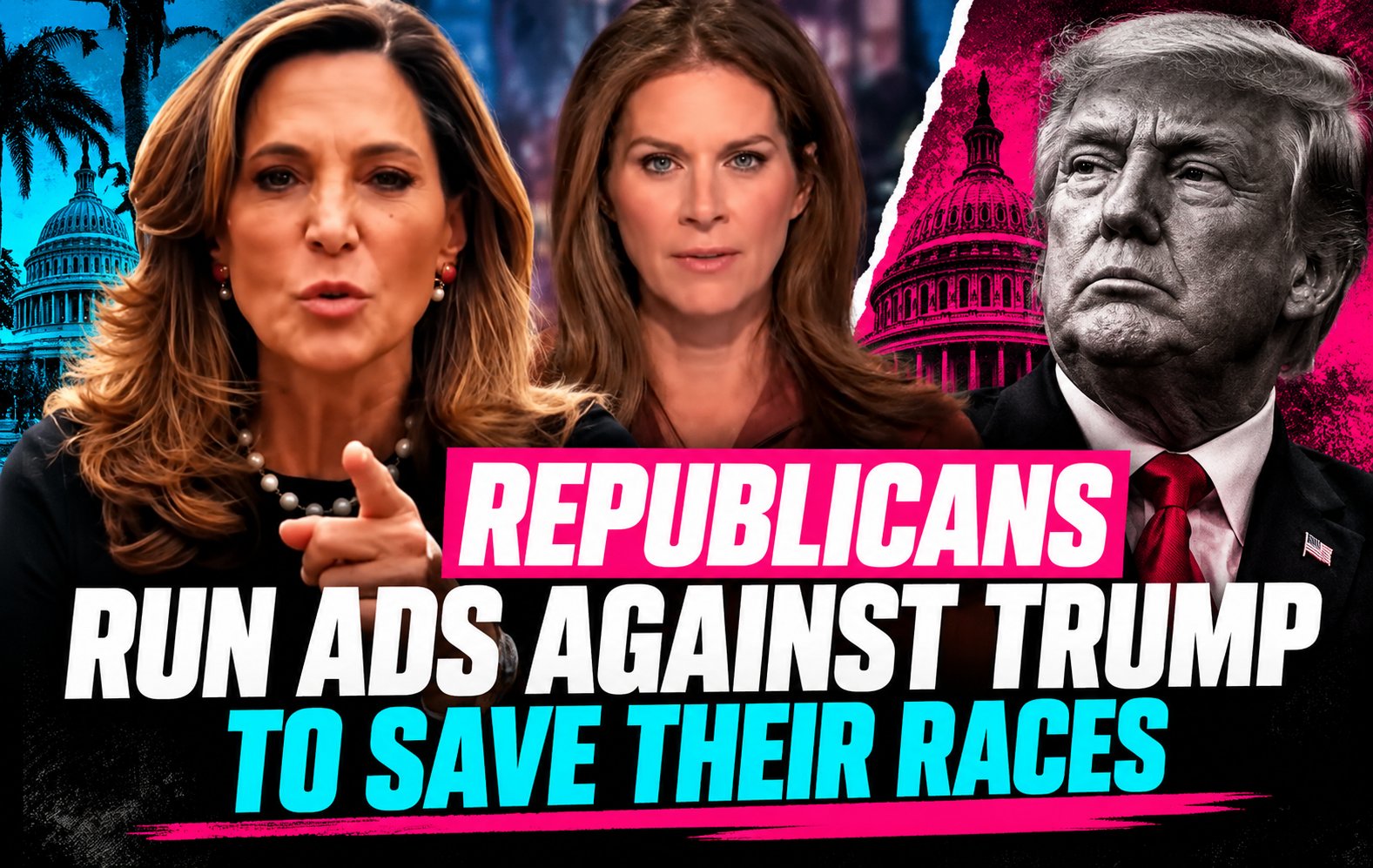
President Donald Trump is again pushing ideas that election experts, constitutional scholars, and state officials say would be illegal under current law, openly calling for Republicans to “nationalize” elections and take control of voting in Democratic-run cities. Trump made the remarks during an appearance on the podcast hosted by former Secret Service agent and conservative media figure Dan Bongino, continuing a pattern of rhetoric that election officials say undermines public trust and conflicts directly with the U.S. Constitution. The comments were first reported by NPR and aired on Morning Edition on February 4.
“The Republicans Ought to Nationalize the Voting”
Speaking on The Dan Bongino Show, Trump asserted that Republicans should take over election administration in what he vaguely described as “15 places,” repeating long-debunked claims about election integrity.
“We should take over the voting in at least many, 15 places. The Republicans ought to nationalize the voting,” Trump said.
He later singled out Atlanta, Detroit, and Philadelphia all Democratic controlled cities with large minority populations and all frequent targets of election conspiracy theories since the 2020 election. Legal experts say such a move would be plainly unconstitutional without congressional action.
What the Constitution Actually Says
Under Article I, Section 4 of the Constitution, known as the Elections Clause states, not the president, administer elections. Congress may pass laws setting national rules, but presidents have no unilateral authority to take over state elections. NPR voting correspondent Miles Parks described Trump’s comments as unusually explicit.
“It feels like another one of those moments where Trump says the quiet part out loud,” Parks said.
“This is the clearest we’ve heard the president just come out and say he wants to take over in some places.”
A Pattern of Federal Pressure
Trump’s remarks come amid a broader campaign by his administration to exert influence over election systems:
An executive order attempting to change election procedures, blocked by courts
Justice Department demands for unredacted state voter rolls, largely rejected
A recent federal raid in Fulton County, Georgia, seizing election equipment tied to Trump’s 2020 loss
Maine Secretary of State Shenna Bellows warned that the federal government is crossing constitutional lines.
“We know the 2020 election was safe and secure, as was the 2024 election, and so will be the 2026 as long as the federal government stops its unconstitutional and unlawful interference,” Bellows said.
The Bongino Contradiction
Trump’s appearance on Bongino’s podcast has drawn additional scrutiny because of Bongino’s own recent statements about stepping away from government service. Bongino previously said he did not want to be involved in protecting individuals named in the Jeffrey Epstein files, which document Epstein’s extensive connections to powerful figures.
Yet Trump, one of the most frequently mentioned names in Epstein-related reporting aside from Epstein himself, was welcomed onto Bongino’s show, where the two discussed election control and alleged fraud without acknowledging that context. Trump has denied wrongdoing related to Epstein, but his long-documented social association with the convicted sex trafficker has remained a point of public controversy.
False Claims, High Stakes
During the podcast appearance, Trump repeated false claims about noncitizens voting, assertions repeatedly rejected by courts, election officials, and bipartisan investigations. White House press secretary Karoline Leavitt later claimed Trump was referring to legislation he wants Republicans to pass in Congress. Trump himself doubled down the following day, suggesting states act merely as “agents” of the federal government in elections — a claim flatly contradicted by constitutional law.
Why It Matters
Election officials from both parties say Trump’s rhetoric risks destabilizing confidence ahead of upcoming elections. While Democrats have been more vocal, NPR reported that Republican election administrators are also quietly preparing for potential federal interference.
The contradiction is stark: a former law-enforcement figure who says he opposed shielding abusers now giving airtime to a former president pushing legally unsupported ideas about taking over elections, all while dismissing established constitutional limits. As one Republican election official told NPR privately, “States’ rights don’t disappear just because the president is angry he lost.”






























Want to join the conversation?
Create an account or sign in to share your thoughts, vote,
and reply to other readers.
Showing 0 of 0 comments
Don't have an account?
Already have an account?