
The AI Reckoning: Which Degrees Are Obsolete, and What Skills Will Future-Proof Your Career in 2026?
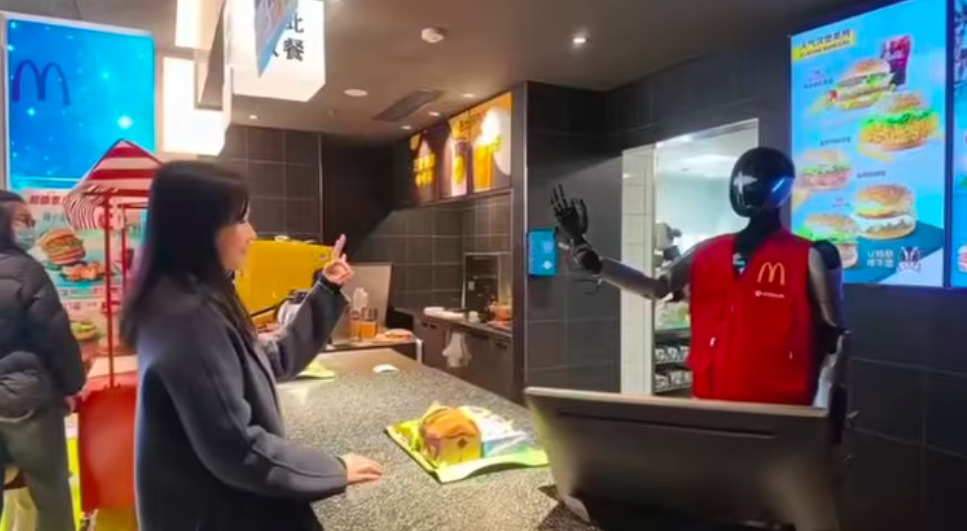
The year 2025 has been a watershed moment for Artificial Intelligence, marking a seismic shift in the global job market. While many hailed AI as a tool to augment human capabilities, the rapid advancements in large language models, automation, and predictive analytics have triggered a stark reality: not all jobs – and indeed, not all college degrees – are created equal in the face of this technological revolution. If you’re pondering your future or guiding the next generation, understanding which paths lead to dead ends and which promise prosperity is more critical than ever.
The Degrees Now on Thin Ice (and Why):
Entry-Level Data Entry & Basic Administrative Services: With sophisticated AI capable of processing vast datasets, organizing information, and even managing complex schedules, degrees solely focused on these tasks are seeing diminishing returns. Automation platforms are replacing roles that require little to no critical thinking or creative problem-solving.
Basic Content Writing & Copywriting: While advanced, nuanced writing still requires human touch, AI language models can now churn out basic articles, product descriptions, marketing copy, and even news summaries with alarming speed and quality. Graduates entering this field without specialized creative flair, journalistic integrity, or advanced strategic thinking will struggle.
Repetitive Coding & Debugging (without Advanced Problem Solving): AI assistants are becoming incredibly adept at generating boilerplate code, identifying errors, and even suggesting optimizations. While high-level software architecture and innovative algorithm design remain human domains, the grunt work of coding is increasingly automated, making a basic coding degree insufficient.
Routine Accounting & Bookkeeping: AI-powered financial software can now reconcile accounts, generate reports, process invoices, and even flag anomalies more efficiently and accurately than human counterparts. The demand shifts from routine task execution to higher-level financial analysis, strategy, and ethical oversight.
Basic Graphic Design & Template-Based Creation: For standardized logos, simple web layouts, and template-driven designs, AI tools can generate multiple options in seconds. Designers whose work primarily involves assembling pre-existing elements or basic image manipulation will find their skills easily replicated by intelligent algorithms.
The Unshakeable Three: Jobs AI Can (Currently) NEVER Touch:
While AI can mimic, it cannot feel, innovate truly, or empathize. This creates an impregnable fortress around professions requiring uniquely human attributes:
Complex Emotional Intelligence & Caregiving: Jobs in therapy, counseling, elder care, special education, and nursing require profound empathy, nuanced human connection, and the ability to respond to unpredictable emotional states. AI can provide information, but it cannot offer genuine comfort, build trust, or interpret the subtle cues of human suffering.
Radical Innovation & Visionary Leadership: While AI can optimize existing systems, it struggles with generating entirely novel concepts, disruptive business models, or truly visionary artistic creations. Roles like cutting-edge research scientists, avant-garde artists, entrepreneurial founders, and strategic leaders who inspire and navigate uncharted territories remain distinctly human. AI can process data, but it cannot dream the impossible.
Ethical Oversight & Judicial Reasoning: Decisions that involve profound moral dilemmas, legal interpretation, or the subjective application of justice demand human judgment. While AI can analyze legal precedents, it cannot understand the spirit of the law, the complexities of human intent, or the societal implications of its rulings. Judges, ethicists, and senior policy makers will remain irreplaceable.
Future-Proofing Your Career:
The key to thriving in the AI era isn’t to fear technology, but to embrace unique human strengths. Focus on developing skills in critical thinking, creativity, emotional intelligence, complex problem-solving, and adaptability. These are the superpowers that will differentiate you from machines and secure your place in the workforce of tomorrow.














































Want to join the conversation?
Create an account or sign in to share your thoughts, vote,
and reply to other readers.
Showing 0 of 0 comments
Don't have an account?
Already have an account?