
Epstein Probe Explodes as Pam Bondi Defies Deposition and Congress Threatens Criminal Contempt
A high-stakes congressional investigation into the Jeffrey Epstein files collided head on with a fast moving political scandal Tuesday, as former Attorney General Pam Bondi refused to appear for a scheduled deposition triggering immediate calls for criminal contempt and intensifying accusations of a coordinated cover up inside the Department of Justice.
The moment, unfolding on April 14, 2026, marks a turning point in what lawmakers are now openly describing as a systemic failure of transparency tied to one of the most explosive criminal networks in modern American history.
Bondi No-Show Sparks Bipartisan Fury
Bondi had been subpoenaed to testify before the House Oversight Committee as part of its investigation into the handling, and alleged withholding, of Epstein related files. She did not appear. The Department of Justice, now under Acting Attorney General Todd Blanche, attempted to preempt the fallout with a legal argument: because Bondi was subpoenaed in her “official capacity” and has since been removed from that role, the obligation to testify no longer applies.
Lawmakers from both parties rejected that argument outright. Nancy Mace and Ro Khanna made clear that the subpoena was issued to Bondi as an individual with direct knowledge, not merely as a title holder. Her departure from office, they argue, does not erase her involvement in decisions surrounding the Epstein files.
“You don’t get to resign your way out of accountability.”
That sentiment is now driving a rapid escalation on Capitol Hill.
Criminal Contempt Now on the Table
Within hours of Bondi’s absence, multiple members of Congress began formally calling for criminal contempt proceedings. Summer Lee and Robert Garcia accused Bondi of deliberately obstructing a congressional investigation, arguing that her sudden removal from office may have been strategically timed to avoid sworn testimony. The implications are serious. A criminal contempt referral would place the matter back into the hands of the Justice Department, raising immediate questions about whether the same institution accused of withholding information can impartially enforce accountability. That contradiction is not lost on lawmakers.
Ro Khanna’s Warning: “The Epstein Class”
As the deposition fight unfolded, Khanna delivered a sharply worded address at the National Press Club, framing the controversy as part of a broader systemic breakdown. At the center of his argument: what he called the “Epstein Class.”
“A protected system where the powerful write their own rules and avoid the consequences.”
Khanna linked Bondi’s refusal to testify directly to what he described as a culture of institutional protection for elites, warning that the continued suppression of Epstein related evidence is fueling a wider crisis of public trust. He also made clear that the Oversight Committee is not backing down. According to Khanna, lawmakers will continue pursuing Bondi’s testimony regardless of her employment status, signaling that legal enforcement, if necessary, is on the table.
Swalwell Fallout Adds Political Pressure
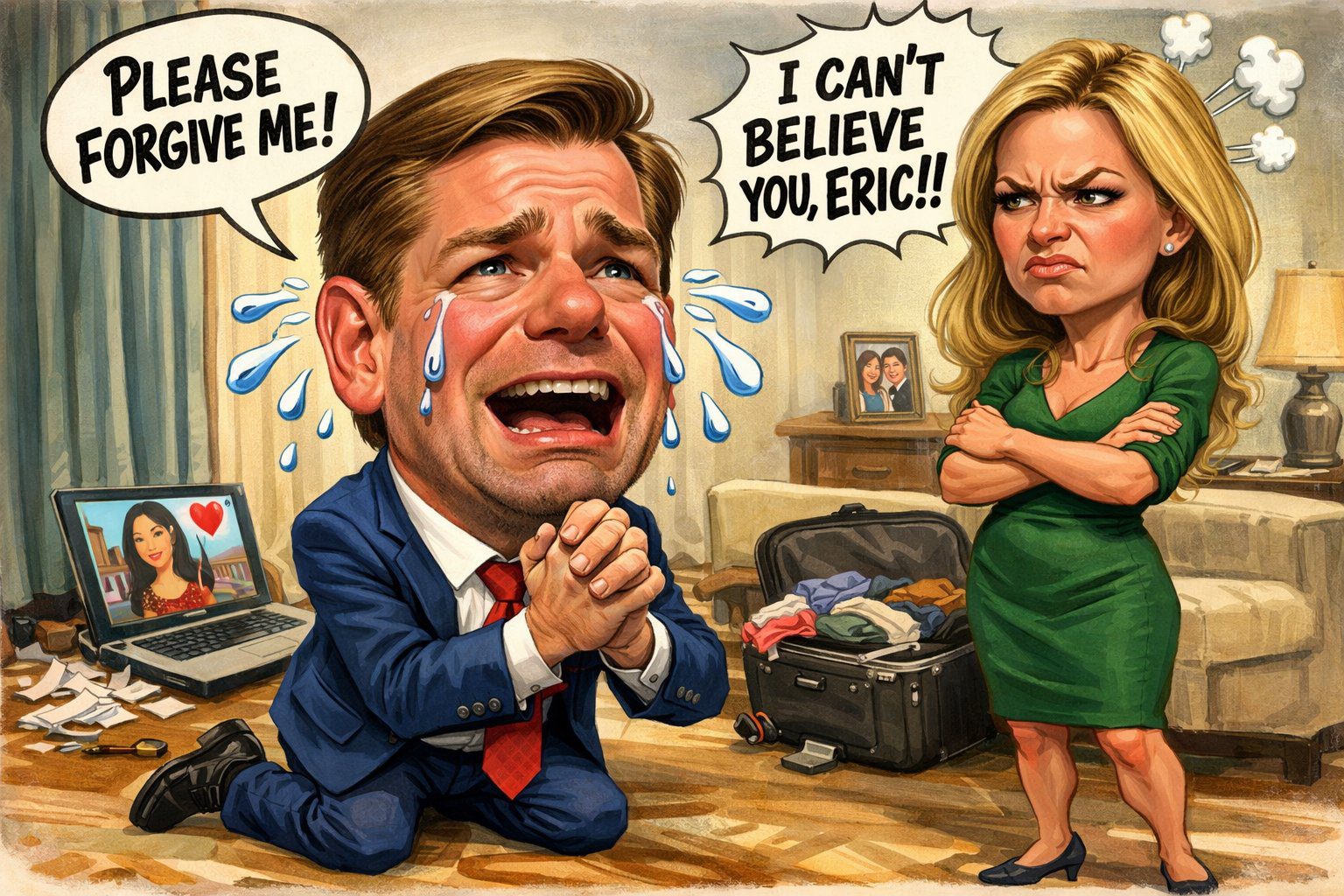
Compounding the moment is the rapid collapse of Eric Swalwell, whose resignation from Congress amid multiple sexual assault allegations has intensified scrutiny around power, accountability, and misconduct within political circles. Khanna addressed the situation directly, calling the allegations “harrowing” and emphasizing that accountability must apply universally regardless of party affiliation.
The overlap between the Swalwell scandal and the Epstein investigation is not procedural, but it is political. Together, they are reinforcing a narrative that Congress is now being forced to confront: that abuse of power, whether individual or systemic, has been allowed to operate unchecked for too long.
The Bigger Picture: Transparency or Breakdown
At its core, the fight over Bondi’s testimony is about more than one deposition. It is about whether Congress can compel answers from officials tied to one of the most scrutinized criminal networks in U.S. history or whether legal maneuvering and institutional shielding will continue to block access to critical information.
The demand from lawmakers is clear: full, unredacted disclosure of Epstein related files.
The resistance is just as clear. What happens next will determine whether this investigation leads to meaningful transparency or becomes yet another example of how power protects itself in Washington. And with contempt proceedings now in motion, that decision may not stay political for long.


















































Want to join the conversation?
Create an account or sign in to share your thoughts, vote,
and reply to other readers.
Showing 0 of 0 comments
Don't have an account?
Already have an account?