
The 2026 season could be a defining one for Florida State and head coach Mike Norvell. After a difficult stretch that left the Seminoles outside the preseason AP Top 25, Norvell enters the new season with a heavily revamped roster, a reworked offensive approach and plenty of pressure to get Florida State moving back toward national prominence.
The Seminoles open the season Saturday, August 29, against New Mexico State in Tallahassee. The schedule quickly becomes much more demanding, however, with Florida State facing four ranked opponents and road trips to Alabama, Louisville, Miami and Pittsburgh.
Norvell will rely on a veteran quarterback, a new offensive coordinator and a defense that hopes to provide the team’s foundation.
Offense Looks to Find Its Identity
Florida State promoted Tim Harris Jr. to offensive coordinator as the Seminoles look for more consistency and explosiveness on offense. Harris Jr. will work with Norvell as the coaching staff makes adjustments to an attack that features several new faces.
At quarterback, redshirt senior Ashton Daniels takes over after gaining experience at Stanford and Auburn. Daniels brings mobility, experience and the ability to extend plays with his legs. His command of the offense and ability to protect the football could be critical as Florida State navigates one of the more challenging schedules in the ACC.
Sophomore Ousmane Kromah has emerged as a primary option at running back. He will be supported by Samuel Singleton Jr. and Tre Wisner, giving Florida State a group capable of providing balance behind Daniels.
The receiving corps is led by senior Duce Robinson, who gives Daniels an experienced and talented target. Micahi Danzy provides additional speed, while tight ends Desirrio Riles and Landen Thomas could become important pieces in both the passing and running games.
The biggest question may be the offensive line. The unit has undergone significant changes, with players such as Xavier Chaplin and Andre’ Otto stepping into prominent starting roles. How quickly the new-look line develops chemistry could determine how effectively Florida State runs the ball and protects Daniels.
Defense Could Be the Seminoles’ Strength
While the offense works through its transition, Florida State enters the season with optimism surrounding defensive coordinator Tony White’s unit.
The defensive line features valuable continuity and returning depth. Daniel Lions, Deontay McCrae and the Desir twins are among the players expected to make an impact up front after productive previous campaigns.
That experience could be particularly important against a schedule featuring several physical offenses.
The linebacker group also has plenty of athleticism. Under position coach Ernie Sims, the unit is expected to play fast and attack, with Blake Nichelson among the regular contributors expected to lead the group.
In the secondary, Ja’Bril Rawls provides Florida State with a potential shutdown presence at cornerback. His ability to limit opposing receivers could allow the Seminoles to be more aggressive elsewhere, while experienced safety leadership should help stabilize a unit facing some of the nation’s toughest quarterbacks.
A Schedule That Will Test Florida State Early
The Seminoles don’t have much time to ease into the season.
Florida State begins against New Mexico State on August 29 before hosting SMU on September 7. The first major test arrives September 19, when the Seminoles travel to Tuscaloosa to face Alabama.
After returning home to play Central Arkansas, Florida State begins ACC play against Virginia before traveling to Louisville on October 9.
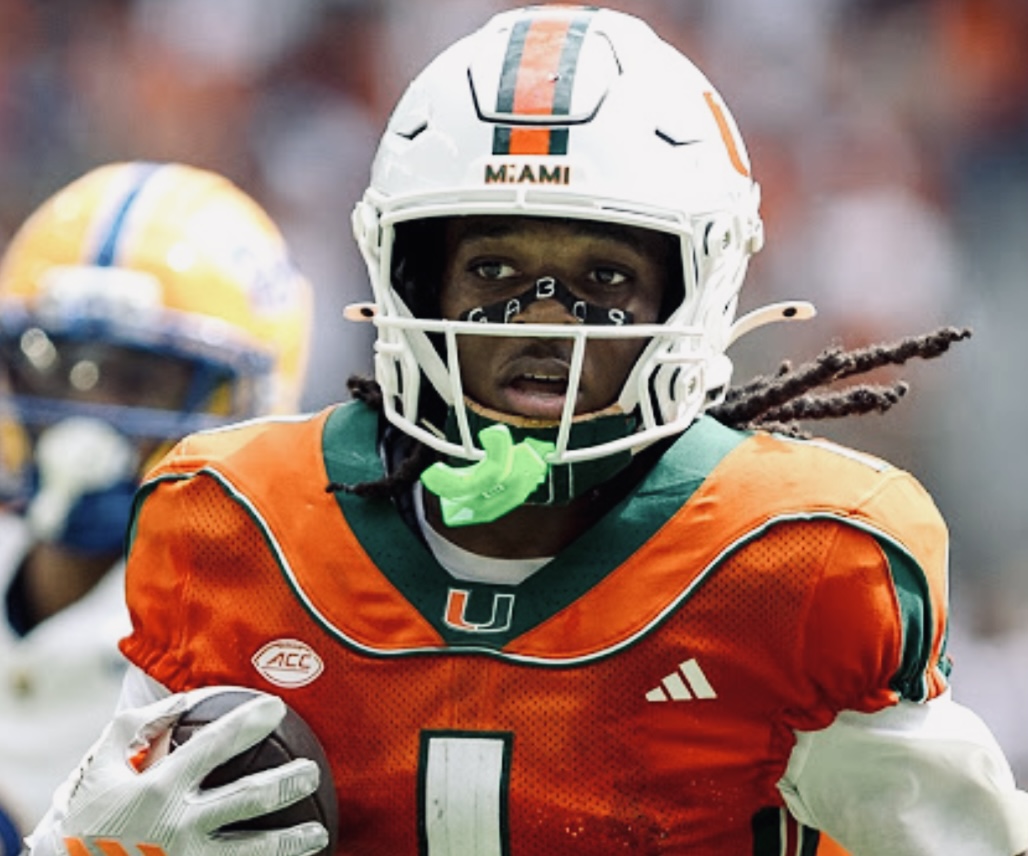
The following week brings one of the most anticipated games of the season when Florida State travels to Miami Gardens to face the Hurricanes on October 17.
Clemson then visits Tallahassee on October 31, followed by road games against Boston College and Pitt. Florida State returns home to face NC State before closing the regular season against Florida on November 27.
2026 Florida State Schedule
- Aug. 29: New Mexico State — Tallahassee, 7 p.m. ET, The CW
- Sept. 7: SMU — Tallahassee, 7:30 p.m. ET, ESPN
- Sept. 19: at Alabama — Tuscaloosa, 3:30 p.m. ET, ABC
- Sept. 26: Central Arkansas — Tallahassee
- Oct. 3: Virginia — Tallahassee
- Oct. 9: at Louisville — Louisville, 7 p.m. ET, ESPN
- Oct. 17: at Miami — Miami Gardens
- Oct. 31: Clemson — Tallahassee
- Nov. 7: at Boston College — Chestnut Hill
- Nov. 13: at Pitt — Pittsburgh, 7 p.m. ET, ESPN
- Nov. 21: NC State — Tallahassee
- Nov. 27: Florida — Tallahassee, 3:30 p.m. ET, ABC
What Will Define the 2026 Seminoles?
Florida State’s season could come down to three major factors: quarterback play, offensive-line development and defensive consistency.
Daniels has the experience to provide stability, but he’ll need to quickly develop chemistry with a revamped group around him. Kromah and the running game could help take pressure off the quarterback, while Robinson and the receiving corps will be counted on to create explosive plays.
Defensively, the Seminoles have the opportunity to become a more reliable unit if their returning front-line talent continues to develop and Rawls leads a strong secondary.
The challenge is that Florida State cannot afford many mistakes against its schedule.
Alabama, Miami and Clemson provide major tests, while Louisville, Pitt and Florida could also have significant implications for the Seminoles’ season. With four ranked opponents on the schedule, every early-season result will matter.
A Season of Opportunity and Pressure
The 2026 season represents an important opportunity for Norvell to show that Florida State can return to the upper tier of college football.
The Seminoles have talent, veteran leadership at quarterback and a defense with promising returning pieces. But the roster’s extensive turnover and the demanding schedule leave plenty of questions to answer.
Florida State’s opening game against New Mexico State should provide the Seminoles with an opportunity to establish their identity before the schedule intensifies.
By the time Alabama arrives in September, the Seminoles will have a much clearer idea of what this team can become.
For Norvell, the objective is straightforward: turn a revamped roster into a team capable of competing with the best in the ACC and making Florida State relevant on the national stage again.























































Want to join the conversation?
Create an account or sign in to share your thoughts, vote,
and reply to other readers.
Showing 0 of 0 comments
Don't have an account?
Already have an account?