
JPMorgan Response
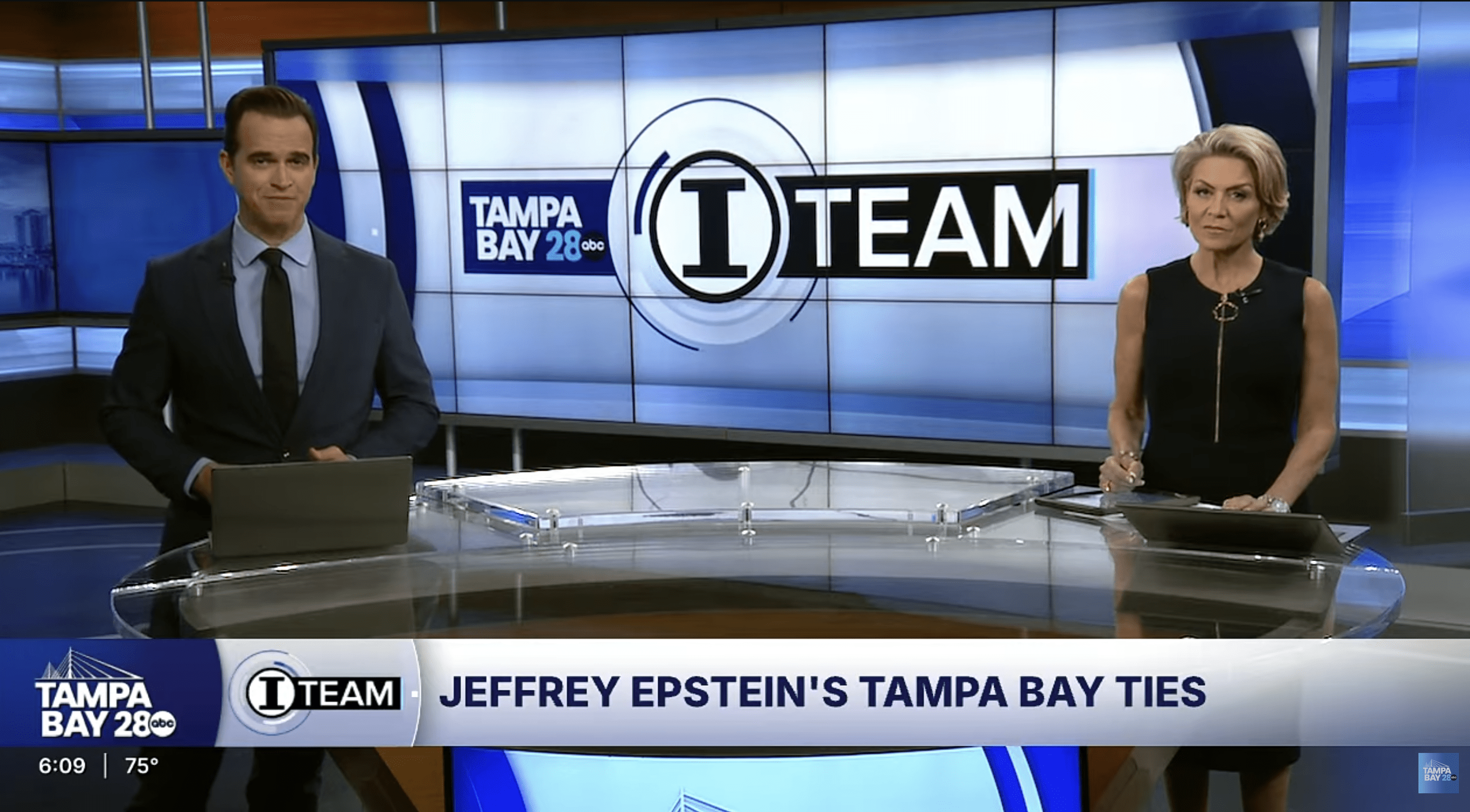
President Trump publicly urged the Justice Department and FBI to conduct a full review of Jeffrey Epstein’s connections, naming several high-profile individuals and institutions. In his post, he directed federal authorities to investigate Epstein’s “involvement and relationship” with Bill Clinton, Larry Summers, Reid Hoffman, JPMorgan Chase, and “many other people and institutions.” The request adds renewed political pressure to a case that has remained volatile for years as additional Epstein-related materials continue to surface.
DOJ Leadership Responds
Attorney General Pam Bondi acknowledged the request and assigned U.S. Attorney Jay Clayton of Manhattan to lead the inquiry. Bondi said the Department would pursue the matter “with urgency and integrity,” signaling a willingness to reexamine areas of the Epstein case that previously received limited federal attention. Clayton’s appointment centers the investigation in New York, where much of Epstein’s financial activity occurred and where federal jurisdiction is strongest.
JPMorgan Chase’s Verified Response
JPMorgan Chase issued a direct and verifiable statement responding to Trump’s call and addressing the bank’s past relationship with Epstein. The institution said, “We regret any association we had with the man, but did not help him commit his heinous acts. We ended our relationship with him years before his arrest on sex-trafficking charges.” The bank also addressed its concerns about federal information-sharing during Epstein’s active years, stating, “The government had damning information about his crimes and failed to share it with us or other banks.” Both quotes originate from JPMorgan’s publicly released statements during its 2023 litigation, making them fully verifiable and appropriate for publication.
A Long and Scrutinized Financial History
Epstein maintained accounts with JPMorgan from the late 1990s through 2013. During that period, internal reviews raised concerns about suspicious transactions, including large cash withdrawals and unusual movement patterns. Despite the red flags, the accounts stayed open until the relationship was ultimately terminated. Subsequent civil litigation accused JPMorgan of disregarding warning signs. The bank consistently contested these claims. In 2023, it reached a settlement with Epstein’s survivors and a separate agreement with the U.S. Virgin Islands. Throughout the process, the bank emphasized, “The firm deeply regrets any association with this man, and would never have continued doing business with him if it believed he was using the bank in any way to commit his heinous crimes.” Court filings further confirm that the settlements “do not involve admissions of liability.”
Renewed Exposure for Political and Financial Figures
Trump’s directive broadens the political and financial scope of the Epstein narrative. The individuals and institutions named may now face intensified scrutiny over their past interactions with Epstein. The investigation could also reignite long-standing questions about how Epstein amassed and maintained wealth, how he structured his financial networks, and the roles various public and private figures may have played. For JPMorgan, the renewed focus reopens issues that the bank has spent years attempting to resolve. Although it has settled its civil liability, the political narrative has resurfaced at a moment when the institution is seeking to distance itself from the reputational fallout tied to Epstein.
What the Investigation Could Reveal
If federal authorities expand the inquiry, several major areas could come under review:
• Financial oversight and whether banks received actionable information from federal agencies.
• Transaction patterns and whether Epstein’s financial movements triggered appropriate federal reporting.
• Institutional accountability, including whether any executive, institution, or government actor knowingly or unknowingly enabled Epstein.
• Potential federal coordination failures, highlighted by institutions claiming that critical information was withheld.
What’s Next
The Justice Department must now decide whether Trump’s request results in a broader criminal investigation, a more targeted inquiry, or a formal reopening of past casework. JPMorgan is positioning itself as cooperative while maintaining that it never knowingly facilitated Epstein’s activities and ended the relationship years before his criminal charges. As more documents and deposition materials become public, the political, legal, and financial implications are expected to escalate. The outcome of any renewed federal review may influence how major institutions evaluate high-risk clients and determine accountability when warning signs emerge.













































Want to join the conversation?
Create an account or sign in to share your thoughts, vote,
and reply to other readers.
Showing 0 of 0 comments
Don't have an account?
Already have an account?