

David Beckham Has Built a Bigger Sports Brand in Miami Than Stephen Ross
Inter Miami’s rise from an expansion franchise to a global soccer powerhouse stands in sharp contrast to the Miami Dolphins continued search for postseason success under Stephen Ross. Over the last eight years, two of South Florida’s most influential sports owners have taken dramatically different paths toward building their respective franchises. David Beckham, alongside managing owners Jorge and Jose Mas, has transformed Inter Miami CF from an expansion idea into one of the most recognizable brands in American soccer.
Meanwhile, Miami Dolphins owner Stephen M. Ross has turned his NFL franchise and its surrounding properties into a multibillion-dollar sports and entertainment operation, but the team itself continues to search for the postseason success that has eluded it for decades. When comparing the two ownership groups based on brand identity, cultural relevance, fan connection, on field accomplishments and long term momentum, Beckham and the Inter Miami ownership group have made the more compelling impact between 2018 and 2026.
Ross has arguably built the larger business operation, but Beckham has accomplished something different: creating a sports identity that has captured the imagination of an international audience while giving South Florida soccer fans a championship-caliber team to embrace. The contrast is especially striking because Beckham started with an expansion franchise that had no established fan base, history or stadium, while Ross inherited one of the NFL’s most recognizable and historically significant organizations.
Building a Brand From Scratch vs. Managing a Historic Franchise
When Inter Miami was officially awarded its MLS expansion franchise in January 2018, Beckham and the Mas brothers faced the challenge of creating an identity that could connect with an incredibly diverse South Florida market. They needed to build a fan base, establish a recognizable image and convince a community with established loyalties to the Dolphins, Miami Heat, Florida Panthers and Miami Marlins that soccer could become another major part of the region’s sports culture.
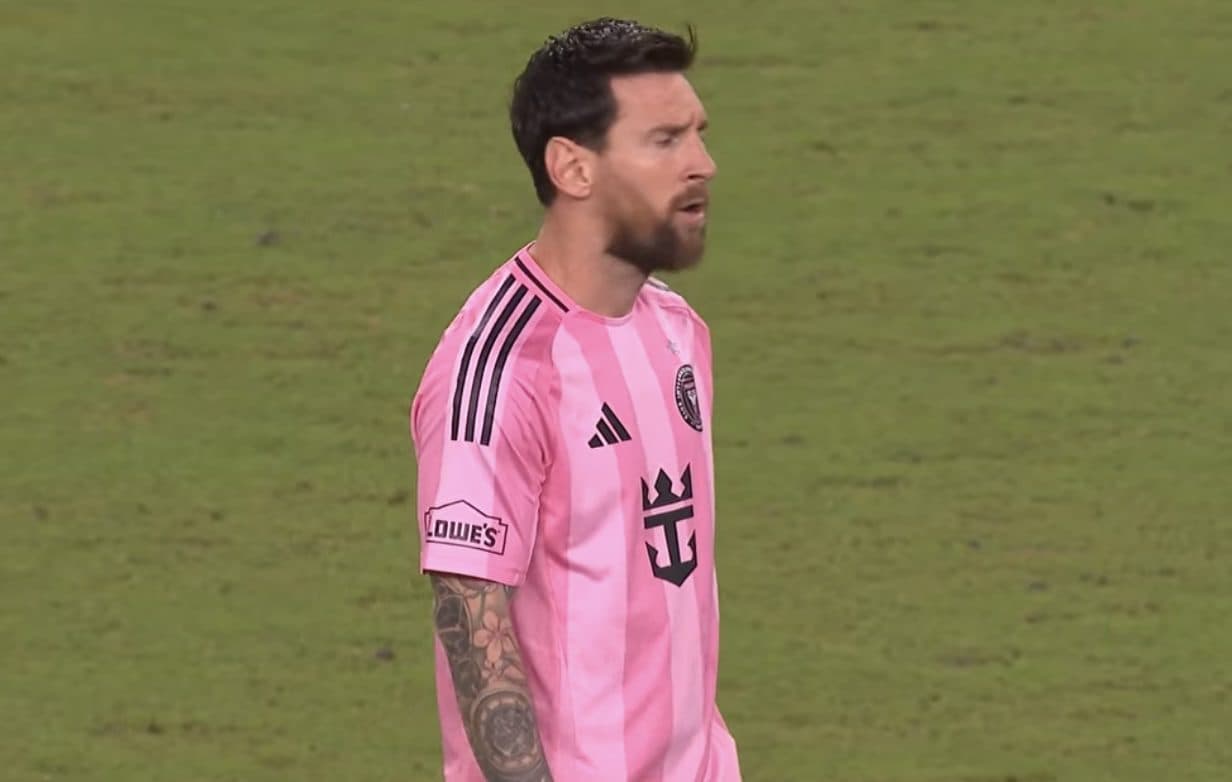
Their approach was deliberate. Inter Miami embraced Miami’s international identity through its distinctive pink-and-black colors, heron crest, bilingual marketing and connection to the city’s Latin American and global communities. Beckham’s international celebrity also gave the franchise an immediate level of recognition that most expansion teams spend decades trying to achieve. The club became more than a soccer team. It developed into a lifestyle brand that appealed to younger fans, international soccer supporters, celebrities and visitors who wanted to be associated with Miami’s growing global sports culture.
Ross, on the other hand, inherited a franchise with generations of history, including the legacy of Don Shula’s undefeated 1972 team and two Super Bowl championships. The Dolphins already had an established identity and passionate fan base. His challenge was to restore that tradition and bring another championship to South Florida. Ross deserves credit for transforming the business side of the organization, particularly through major stadium improvements and the expansion of Miami Gardens into a premier international sports and entertainment destination. However, the Dolphins’ football identity has struggled to keep pace with the organization’s commercial ambitions.
For many fans, the franchise’s greatest selling point remains its history rather than its recent accomplishments. That is a significant difference between a team attempting to preserve its legacy and one actively creating a new one.
Beckham’s Biggest Move Became a Championship Winning Decision
Beckham’s most important accomplishment was understanding that Inter Miami needed more than celebrity ownership and attractive uniforms to become a global soccer brand. It needed a superstar capable of changing the club’s competitive standing and international profile.
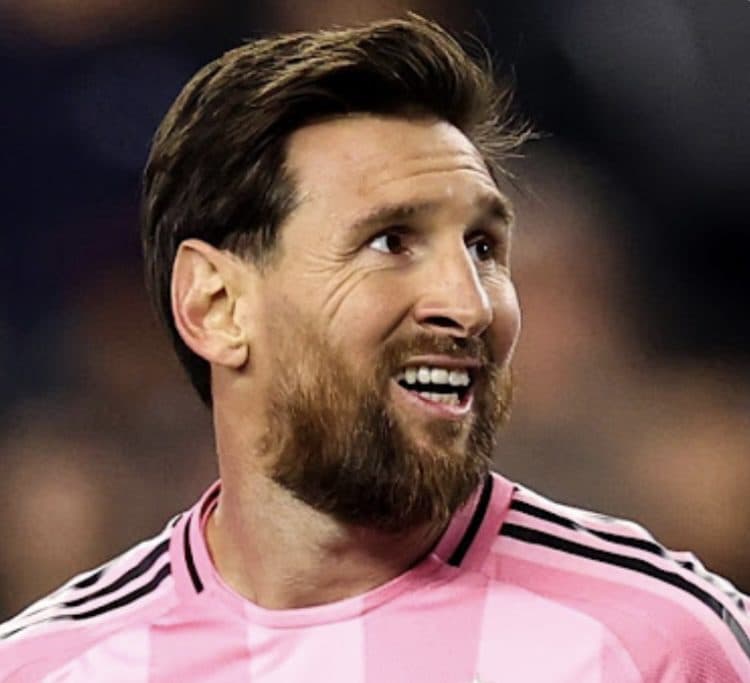
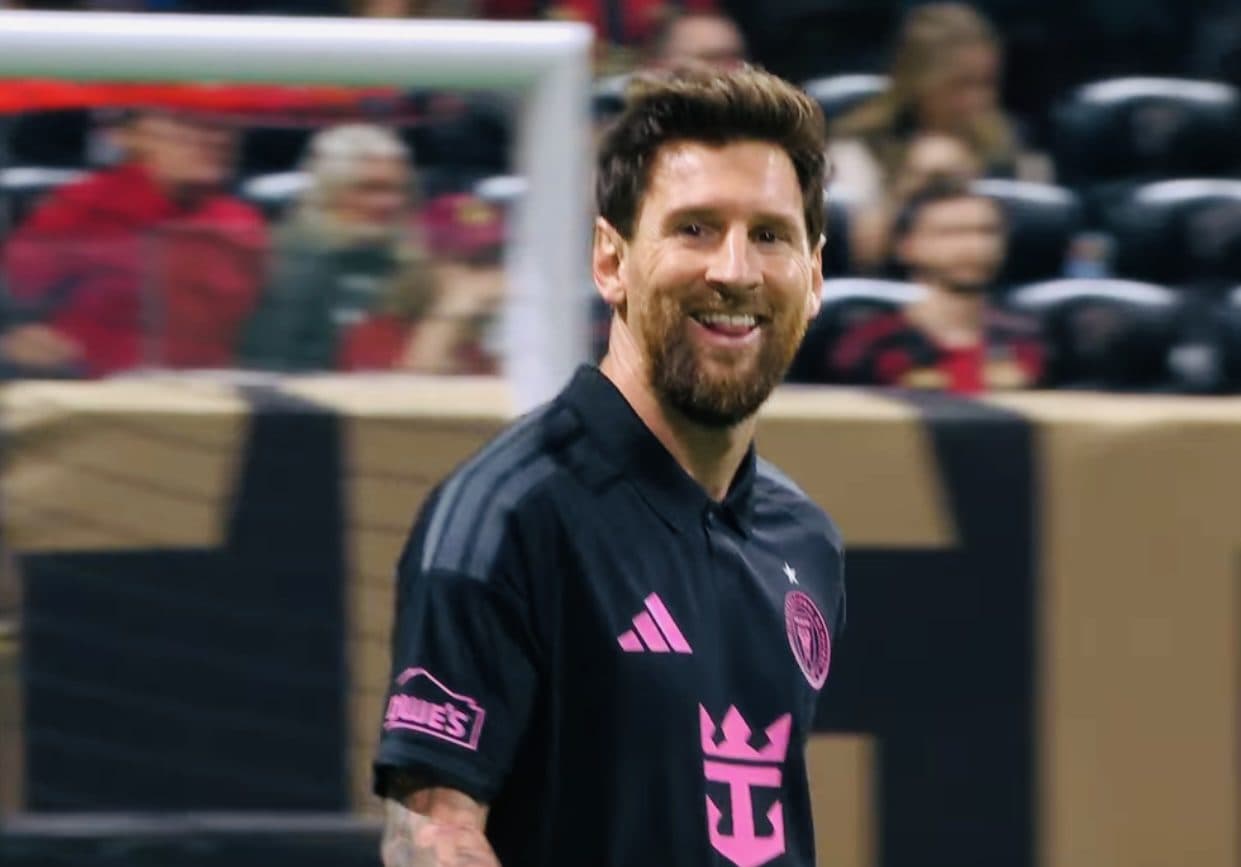
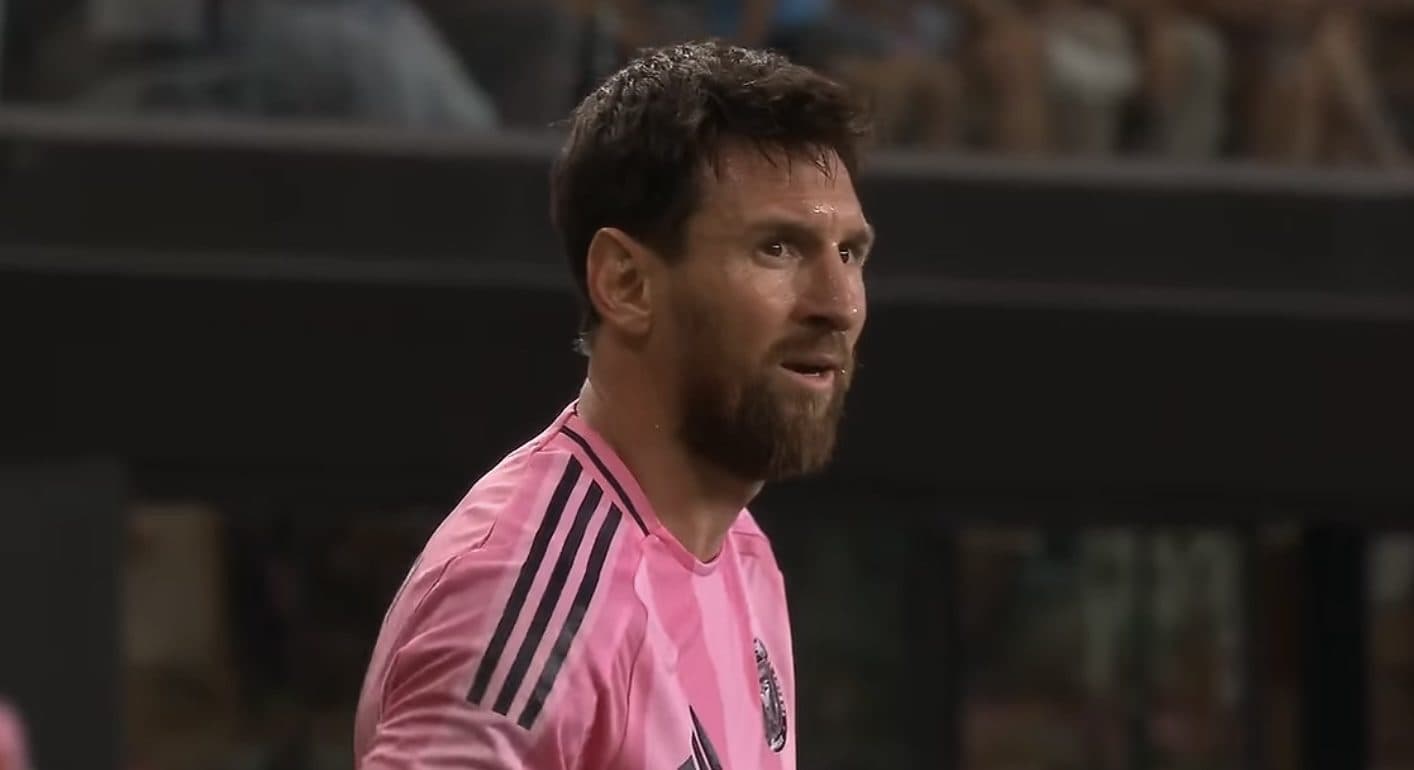
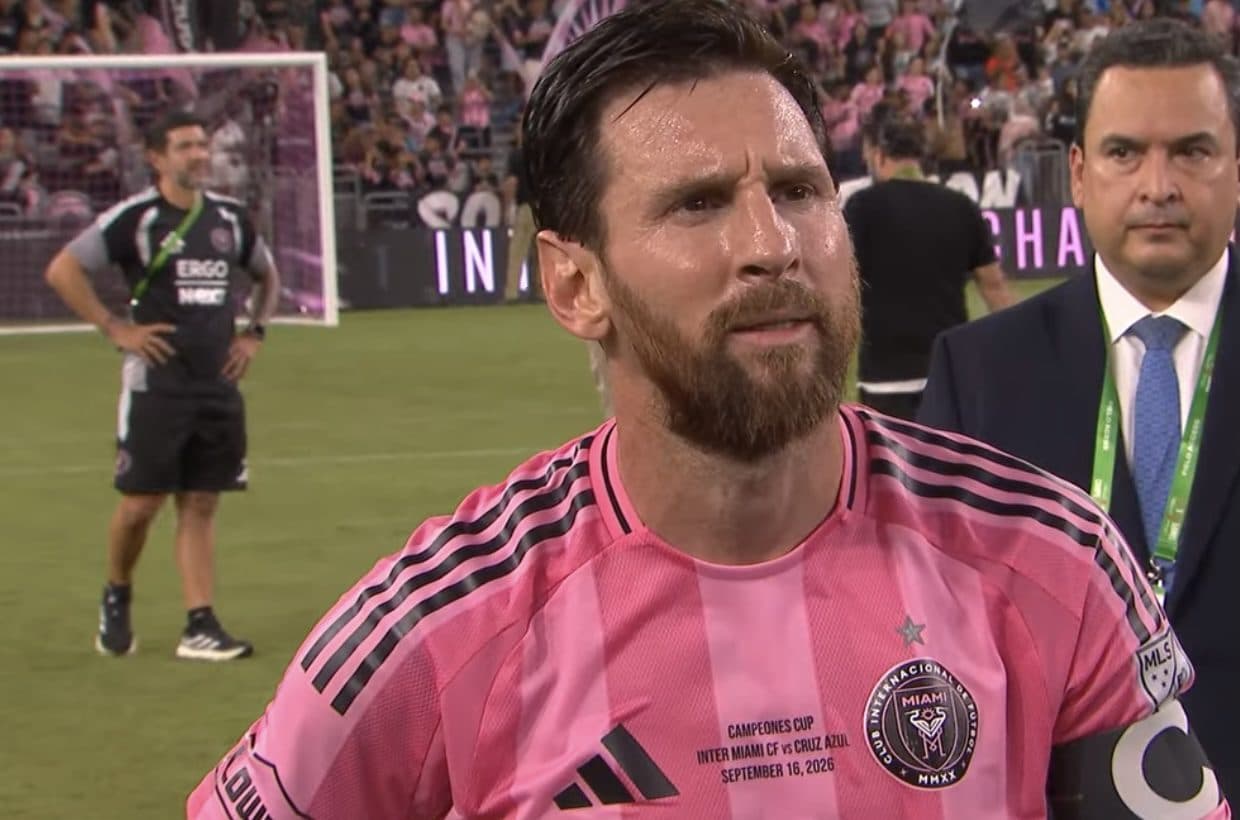
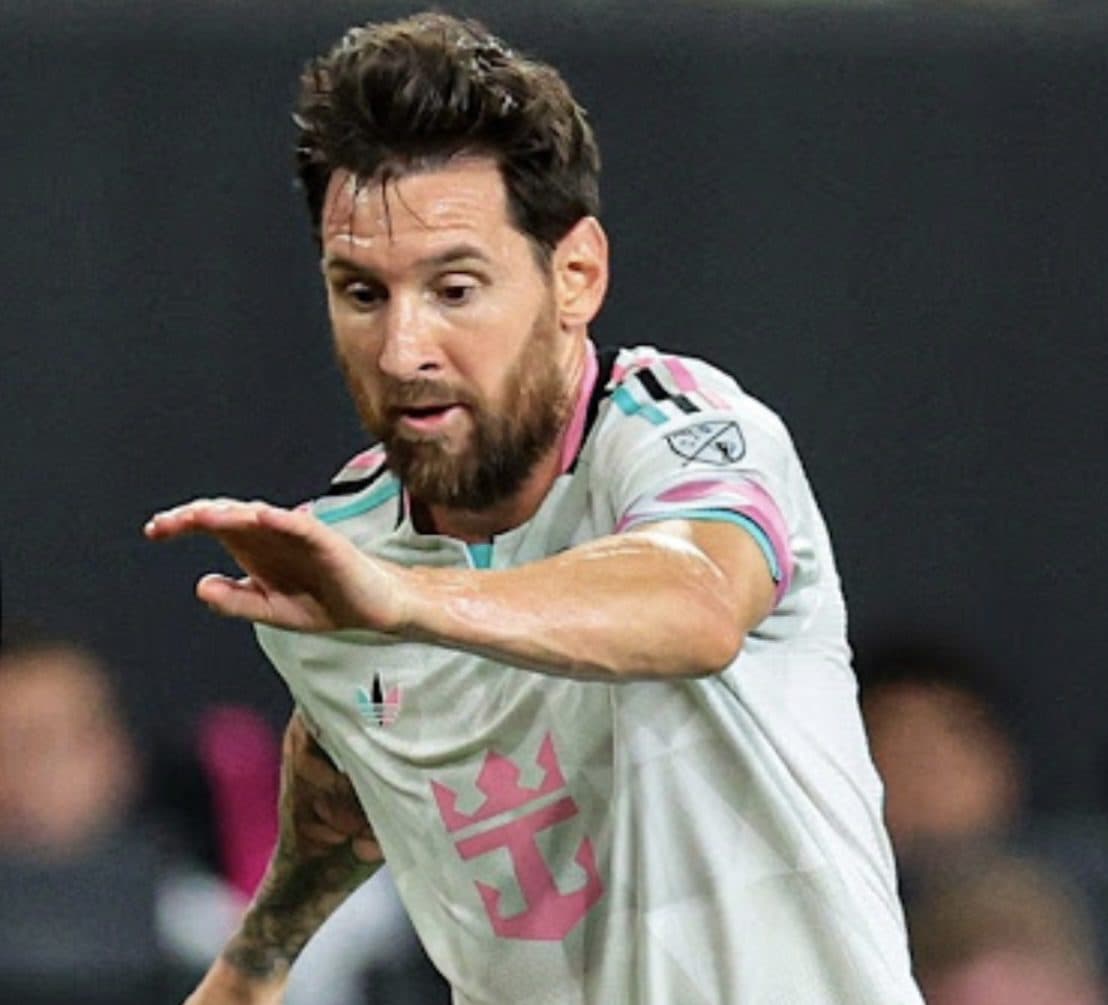
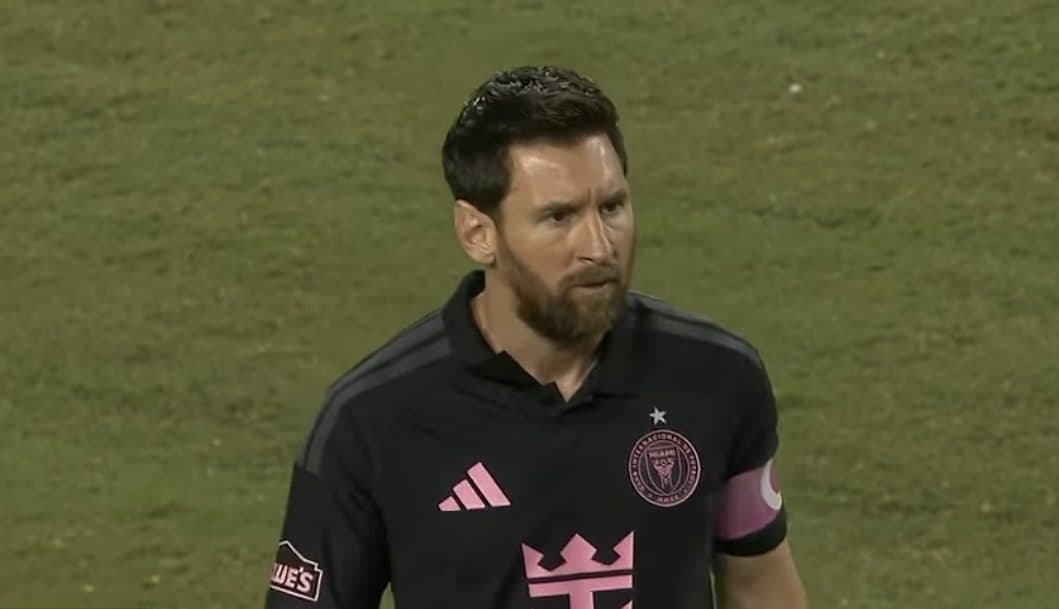
That opportunity arrived in 2023 when Lionel Messi chose Inter Miami, bringing one of the greatest players in soccer history to South Florida. His arrival immediately transformed the franchise’s visibility, attracting international attention, new sponsorship opportunities, increased merchandise sales and fans from around the world. Messi’s impact extended beyond ticket sales and television audiences. He gave Inter Miami a recognizable sporting identity and helped establish the club as a destination for internationally renowned players.
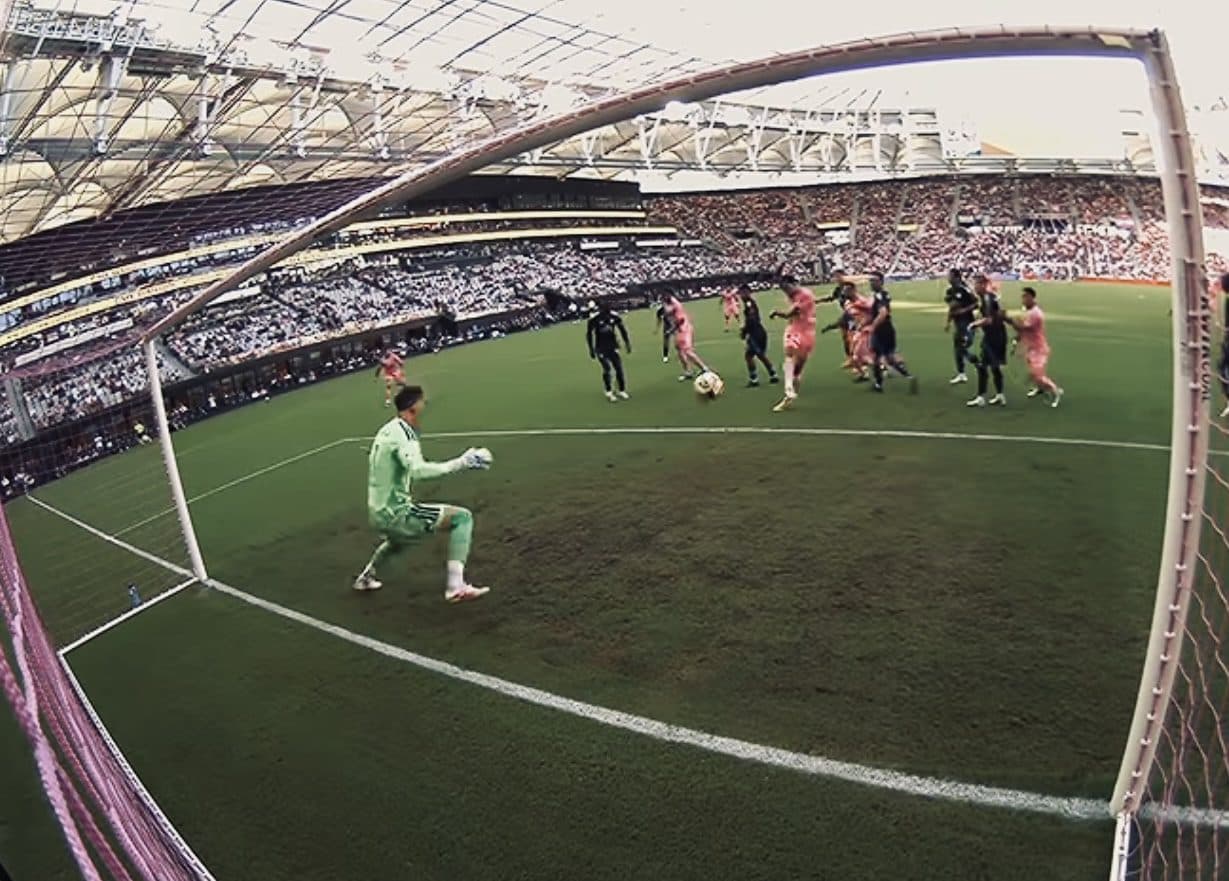
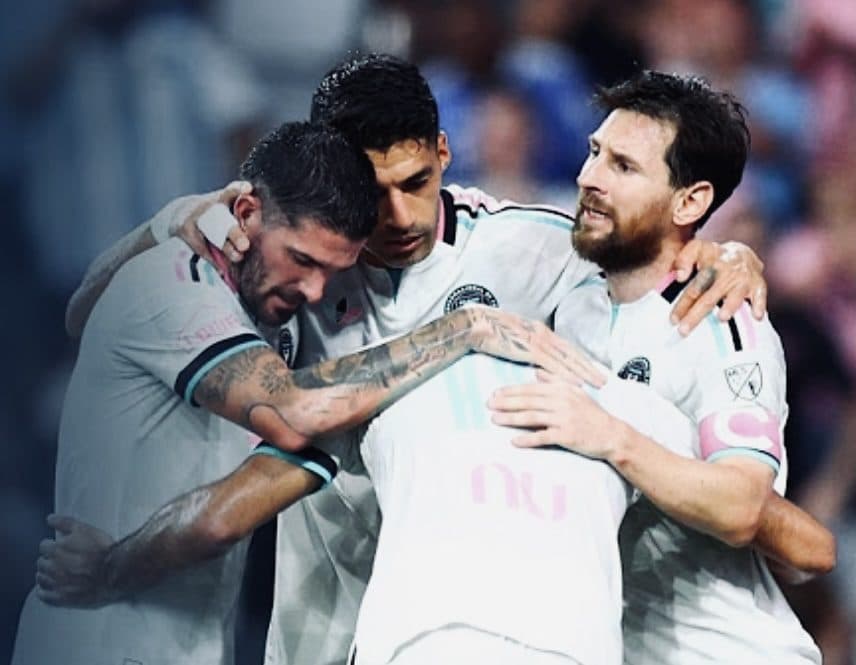
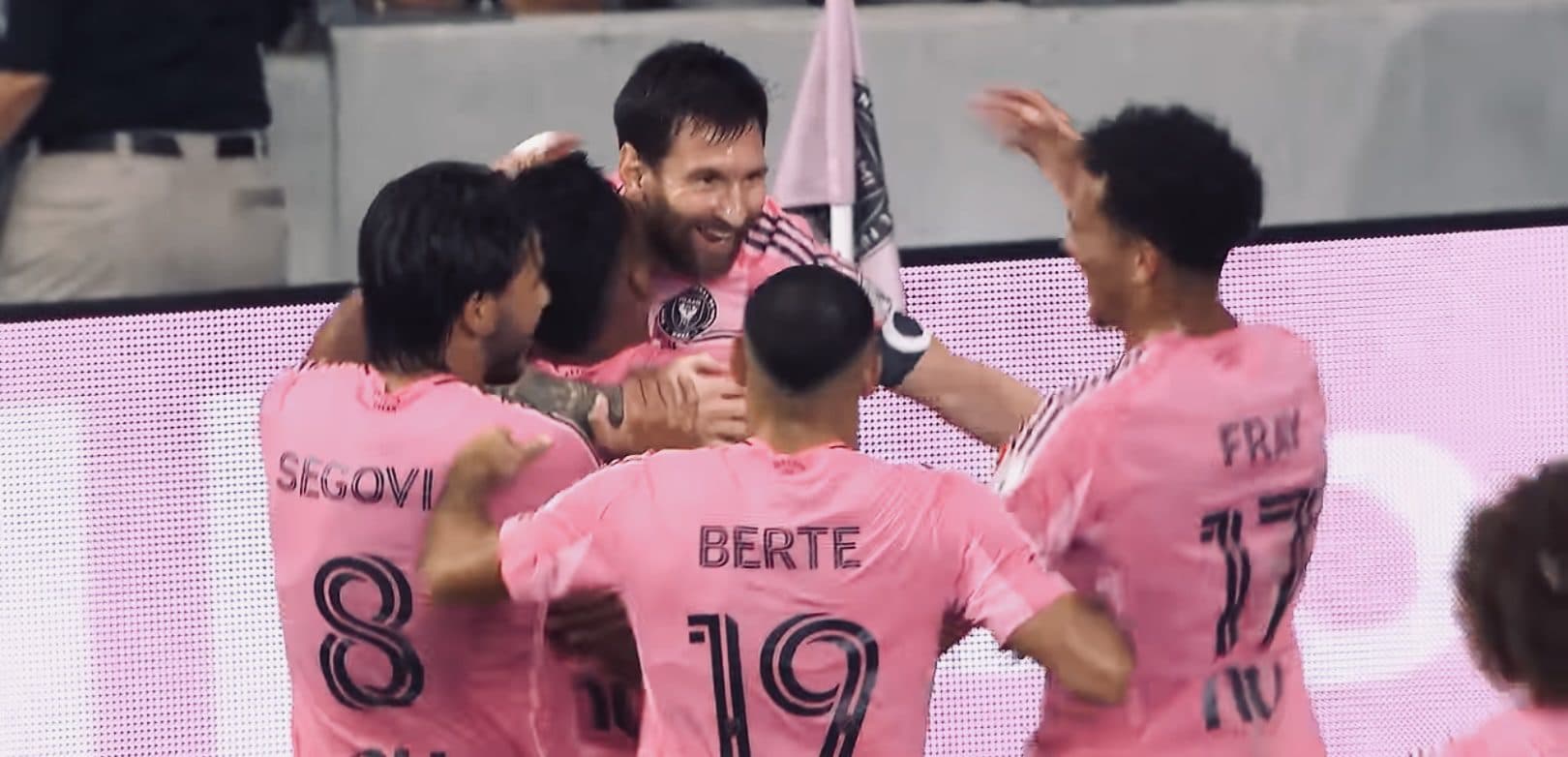
The additions of former Barcelona teammates Luis Suárez, Sergio Busquets and Jordi Alba further strengthened the club’s international appeal, while the organization continued building a roster capable of competing for major trophies. Most importantly, the investment eventually translated into championship success. On December 6, 2025, Inter Miami defeated the Vancouver Whitecaps 3-1 to capture its first MLS Cup. Messi delivered two assists, including the decisive setup for Rodrigo De Paul’s second-half goal. The championship provided the club with the ultimate validation: Inter Miami was no longer simply a marketing success built around a global superstar. It was a champion.
The Dolphins Have Continued Searching for the Right Formula
The Dolphins‘ story during much of the same period has been considerably more frustrating. Ross has cycled through coaching regimes, including Adam Gase, Brian Flores and Mike McDaniel, while attempting to build a roster capable of competing with the NFL’s elite. There have been stretches of optimism, particularly during the emergence of quarterback Tua Tagovailoa and the arrival of wide receiver Tyreek Hill, but those moments have not produced the postseason breakthrough Miami desperately needs. The franchise also endured a major organizational controversy in 2022 involving improper communications with Tom Brady and Sean Payton.
The NFL suspended Ross and docked the Dolphins a first-round draft pick and a third-round selection for violating league policies. Despite significant financial commitments to its roster and several promising regular seasons, Miami has been unable to win a playoff game during Ross’s ownership. The team’s inability to advance in January has become one of the defining frustrations of his tenure. The repeated disappointment has created a difficult cycle for the Dolphins brand. Every new season brings renewed expectations, but the lack of postseason success continues to overshadow the organization’s business accomplishments.
Stadium Investments and the Battle for Miami’s Sports Identity
One of the most important developments in Inter Miami’s growth came with the opening of Nu Stadium at Miami Freedom Park on April 4, 2026. After years of stadium delays, political negotiations and playing its home matches in Fort Lauderdale, Inter Miami finally established a permanent home in the heart of Miami. The 26,700-seat stadium provides the club with a venue designed around its soccer identity and a matchday experience intended to strengthen its connection with supporters.
The stadium is also part of a much larger development. Miami Freedom Park encompasses a 131-acre sports and entertainment district featuring plans for retail, restaurants, hotels, recreational areas and other commercial attractions. That combination gives Inter Miami the opportunity to build a lasting presence in the city while creating additional business opportunities around its soccer operation.
Hard Rock Stadium Has Become a Major Entertainment Destination
Ross has taken a different approach with Hard Rock Stadium, investing heavily in renovations and positioning Miami Gardens as an international destination for major sporting events. The stadium has hosted Super Bowls, the Miami Open, major college football events and the Miami Grand Prix, with Formula One bringing worldwide attention to the property.
The Dolphins‘ home has become one of the most commercially important sports and entertainment venues in the country. From a business perspective, Ross’s strategy has been enormously successful. The surrounding event operations and stadium infrastructure have created revenue opportunities that extend well beyond the Dolphins’ NFL schedule.
However, that success also presents a different brand equation. The Dolphins are one part of a much larger entertainment portfolio, while Inter Miami’s stadium development is being built around the identity of the soccer club. It is not necessarily a criticism of Ross’s business strategy. Rather, it highlights the difference between building a sports franchise’s identity and building a broader entertainment empire around a stadium.
The Numbers Tell Two Very Different Stories
The financial comparisons between the two organizations require some context because the NFL and MLS operate under very different business models. The Dolphins are worth considerably more as a franchise, reflecting the NFL’s enormous television contracts, national popularity and established financial structure. Forbes valued Miami at approximately $10.4 billion in September 2026. A separate reported minority investment transaction valued the holding company behind the Dolphins, stadium and related assets at $12.5 billion.
Inter Miami operates in a different financial environment, but its brand growth has been remarkable. In October 2026, Brand Finance ranked Inter Miami as the most valuable club brand in Major League Soccer, assigning it a brand value of $254 million. The club accounted for approximately 12% of the combined brand value of the top 30 MLS teams, finishing ahead of established organizations such as LAFC and the LA Galaxy.
That ranking is particularly significant because Inter Miami was only founded in 2018. In less than a decade, the club has established itself as the leading MLS brand in a league that includes teams with much longer histories. The $254 million figure measures brand value, not the total financial value of the franchise.
Likewise, the Dolphins’ $10.4 billion valuation should not be confused with the value of Ross’s broader sports and entertainment holdings. Nevertheless, Inter Miami’s position at the top of the MLS brand rankings demonstrates just how successful Beckham and the Mas brothers have been in building the club’s international reputation.
Beckham Has Built a Sports Brand, While Ross Has Built a Entertainment Empire
The biggest distinction between these two ownership stories is what each organization has accomplished beyond the financial bottom line. Ross has created an impressive business operation around the Miami Dolphins. Hard Rock Stadium has become a world-class venue, Miami Gardens has attracted major international sporting events, and the organization’s commercial reach extends well beyond professional football.
There is little question that Ross has strengthened South Florida’s position as a global sports and entertainment destination. However, the Dolphins‘ on-field struggles continue to prevent that commercial success from translating into the kind of emotional connection and excitement that championship organizations generate.
Beckham’s journey has been different. He entered Miami with an expansion franchise, helped create its identity, attracted the biggest superstar in international soccer, delivered an MLS championship and established a permanent home for the club. He also deserves recognition for partnering with Jorge and Jose Mas, whose financial investment, business leadership and involvement in the club’s development have been central to making the project successful.
Inter Miami’s achievements are the product of an ownership group rather than Beckham working alone. There were setbacks along the way, including stadium delays, early roster problems and questions about whether the club could become a legitimate contender. But the ownership group ultimately delivered on its vision.
The Verdict: Inter Miami Has Won the Brand Building Battle
Comparing an NFL franchise with an MLS expansion club is not an entirely equal exercise. The Dolphins benefit from the NFL’s established financial advantages, a much longer history and a larger national television audience. Ross has also created an enormously valuable sports and entertainment business that should not be dismissed simply because the football team has struggled.
But when the discussion centers on which ownership group has done a better job building a compelling sports brand in South Florida since 2018, Beckham and the Inter Miami ownership group have the stronger case. Inter Miami has established an identity, attracted a global following, won its first MLS Cup, opened a new stadium in Miami and earned recognition as the most valuable club brand in its league.
The Dolphins, meanwhile, remain one of the NFL’s most valuable franchises but continue to carry the burden of an extended championship drought and an inability to win a playoff game. Ross has built a sports business powerhouse. Beckham and the Mas brothers have built a soccer brand with international recognition, championship credibility and considerable room to grow.
Over the last eight years, Beckham has accomplished something particularly difficult in professional sports: turning an expansion franchise into a cultural phenomenon and a championship organization. For South Florida sports fans, that makes Inter Miami’s rise one of the region’s most impressive ownership success stories of the modern era.


Loading comments…