
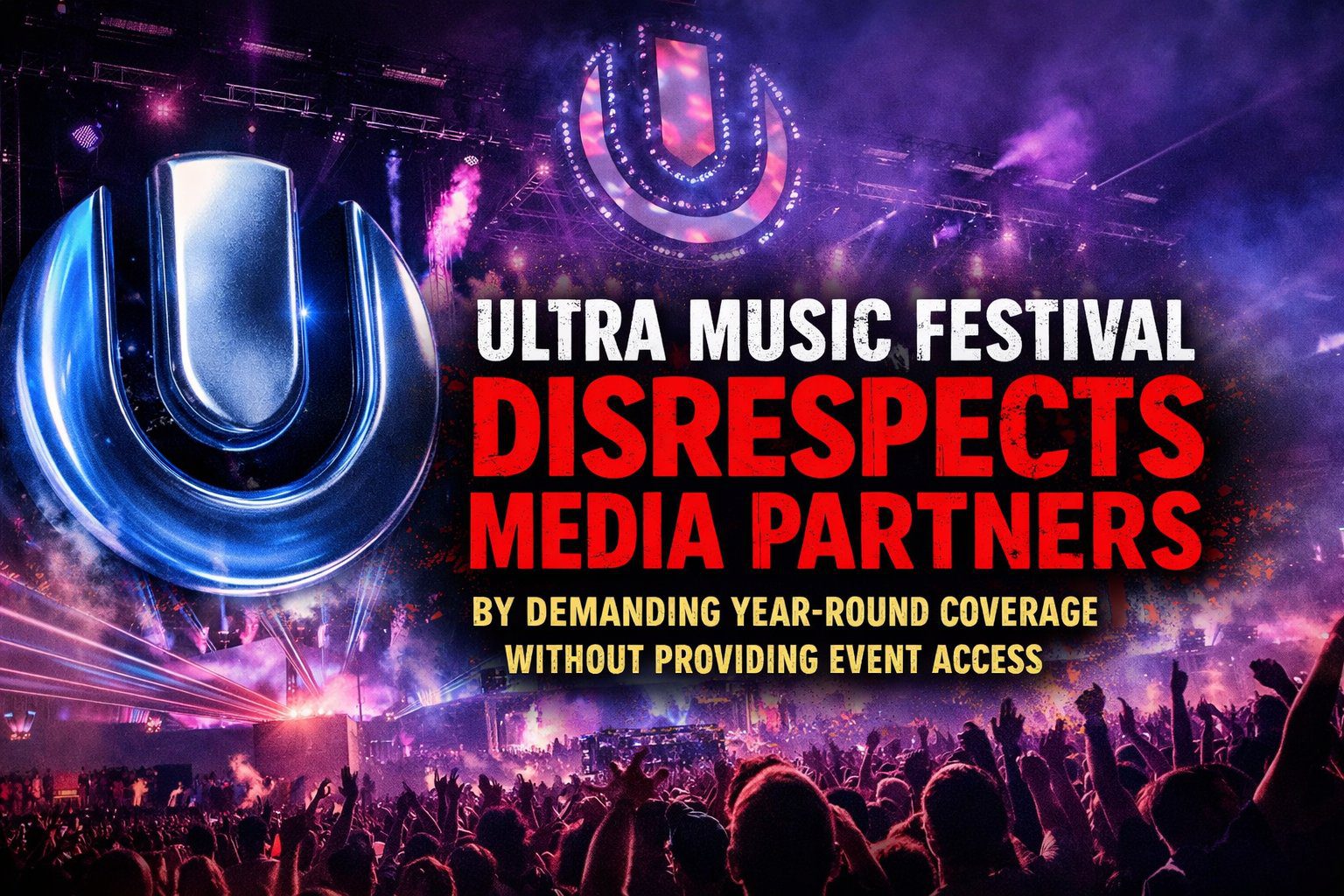
Ultra Wants the Coverage, But Not the Media Relationships: Inside the Festival’s Selfish One Way PR Machine
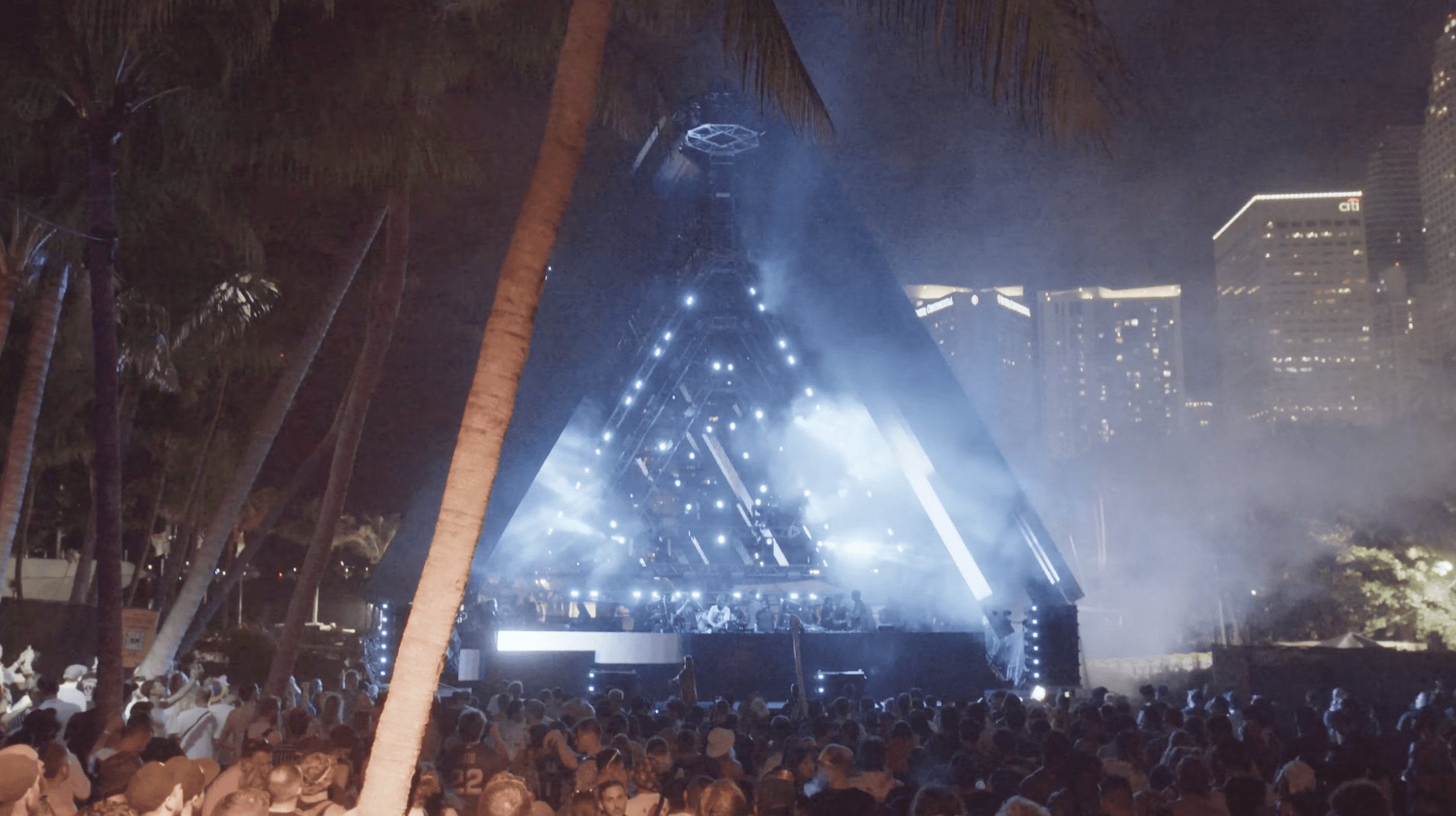
Ultra Music Festival has built itself into one of the most powerful brands in global electronic music, transforming downtown Miami into a multi-day international spectacle every year. That dominance didn’t happen in a vacuum. It was built not just on talent and production, but on relentless media amplification local, national, and digital outlets pushing its name year round.
South Florida Media has been part of that ecosystem. We’ve consistently covered Ultra, building a dedicated section around the festival and the broader electronic scene, publishing original content and driving visibility without a paywall. That matters, especially in a region where most outlets either ignore the space or monetize access to it.
At the same time, Ultra’s PR operation has had no hesitation reaching out. Press releases, artist announcements, marketing pushes, it’s a steady pipeline of requests asking for coverage, reach, and audience engagement. And like any functioning media outlet, we responded. We covered the content. We supported the event.
Then Came the Moment Where the Relationship Was Supposed to Go Both Ways And It Didn’t
After direct communication with Ultra’s media team, access was discussed and expectations were set. But when the festival arrived, the answer changed. No tickets. No follow through. No explanation. Just continued outreach, as if nothing had happened.
“Media isn’t just a distribution channel, it’s a partner in building the culture. And partnerships don’t work one way.”
That’s where this stops being about one outlet and becomes something bigger. Ultra’s media structure appears fragmented, multiple representatives pushing outreach, no clear centralized accountability, and inconsistent follow through. That kind of setup allows the organization to aggressively pursue coverage while avoiding responsibility when commitments fall apart. It’s efficient for promotion, but weak for relationships.
Here’s the Pattern That Emerges:
- Consistent outbound PR requests to media outlets
- Reliance on independent platforms for digital reach
- Informal or loosely communicated access approvals
- Lack of follow-through when the event arrives
That’s not a one off breakdown. That’s a system. And it reflects a broader issue across the entertainment industry. Independent media, especially digital first outlets, are now essential to audience engagement. They move faster, reach niche communities, and carry cultural credibility that legacy outlets often don’t. But when access is distributed, those same platforms are frequently treated as secondary, even when they’ve done all the work.
Ultra didn’t build its brand alone. Media, especially local and independent outlets, helped carry it into global relevance. That relationship has value. Or at least, it should. The issue here isn’t tickets. It’s consistency. If a platform is valuable enough to promote your event, it should be valuable enough to be included in it. If communication from PR managers sets expectations of event tickets, those expectations should be honored.
Because when that balance disappears, so does trust. And in a space built on culture, energy, and community, that’s not a small loss, it’s a foundational one.
South Florida Media’s Dedication to Electronic Music
At South Florida Media, we’ve built a robust music section and a dedicated Ultra Music Festival section both fully funded by us, with no ads, no paywalls, and no shortcuts. This is real coverage, created to support the culture and the audience that surrounds it. But despite that investment and despite being asked to promote the festival year round Ultra did not see fit to include us when it mattered.
South Florida Media Music Section:
https://sfl.media/category/music/
South Florida Media Ultra Music Festival Section:
https://sfl.media/category/ultra-music-festival/
Miami Sponsors Should Reconsider Their Relationship With Ultra
Ultra Music Festival doesn’t operate in a vacuum it relies heavily on Miami based sponsors, partners, and the broader South Florida business ecosystem to fund, promote, and sustain its global image. But when a brand consistently takes from that ecosystem leveraging local media, local audiences, and local exposure while failing to support the very platforms amplifying it, sponsors should start asking harder questions.
“If a company benefits from a market, it has a responsibility to support that market, not just extract money from it.” – Patrick Zarrelli
Sponsors aren’t just buying visibility, they’re attaching their name to how that event operates behind the scenes. And if Ultra is willing to overlook independent media outlets that actively drive engagement in South Florida, then sponsors should reconsider whether their dollars are supporting a true partnership or reinforcing a one way system that takes from the community without giving back.
Local Government Should Re-Examine Ultra’s Licenses and Community Commitments
Ultra’s ability to operate in downtown Miami is not automatic, it’s granted. Permits, licenses, and approvals are issued with the expectation that the event benefits the city, supports local stakeholders, and contributes positively to the community it occupies. That raises a broader question: Is Ultra meeting that standard? Major events don’t just bring crowds, they carry deep obligations to the communities that host them.
If local media outlets, especially those based in South Florida and actively covering the event, are being sidelined while still being used for promotion, then it’s worth examining whether Ultra’s local engagement is as strong as it claims. City officials and permitting authorities should take a closer look at how the festival interacts with local businesses, media, and cultural platforms when evaluating future approvals. Because licensing isn’t just about logistics. It’s about impact. And if the relationship between Ultra and the South Florida community is becoming one sided, then that’s not just a media issue, it’s a civic one.































Want to join the conversation?
Create an account or sign in to share your thoughts, vote,
and reply to other readers.
Showing 0 of 0 comments
Don't have an account?
Already have an account?