
Mars Meteorite Auction
A very expensive piece of extraterrestrial real estate has just changed hands—and no, it doesn’t come with a rover or solar panels. A massive Martian meteorite, officially named Northwest Africa 7533 (NWA 7533), sold this week for a record-shattering $5.3 million at a natural history auction in New York, making it the most valuable Martian rock ever sold on Earth.
The meteorite is a geological celebrity of sorts. Discovered in the sands of the Sahara Desert in 2012, this extraordinary specimen weighs over 32 pounds (15 kilograms) and is considered one of the most scientifically significant Martian rocks ever recovered. Researchers have affectionately dubbed it “Black Beauty”—not for its ego, but for its glossy black surface and the treasure trove of information it contains about the red planet’s ancient past.
And what a past it is. NWA 7533 is believed to be more than 4.4 billion years old, dating back to a time when the solar system was just settling into its chaotic teenage years. For comparison, this meteorite was already ancient when Earth’s first oceans were just puddles. It holds within it some of the earliest crustal material from Mars—tiny grains and mineral fragments that tell a story of cataclysm, volcanism, and the tantalizing possibility of water on Mars long before the Earth was even habitable.
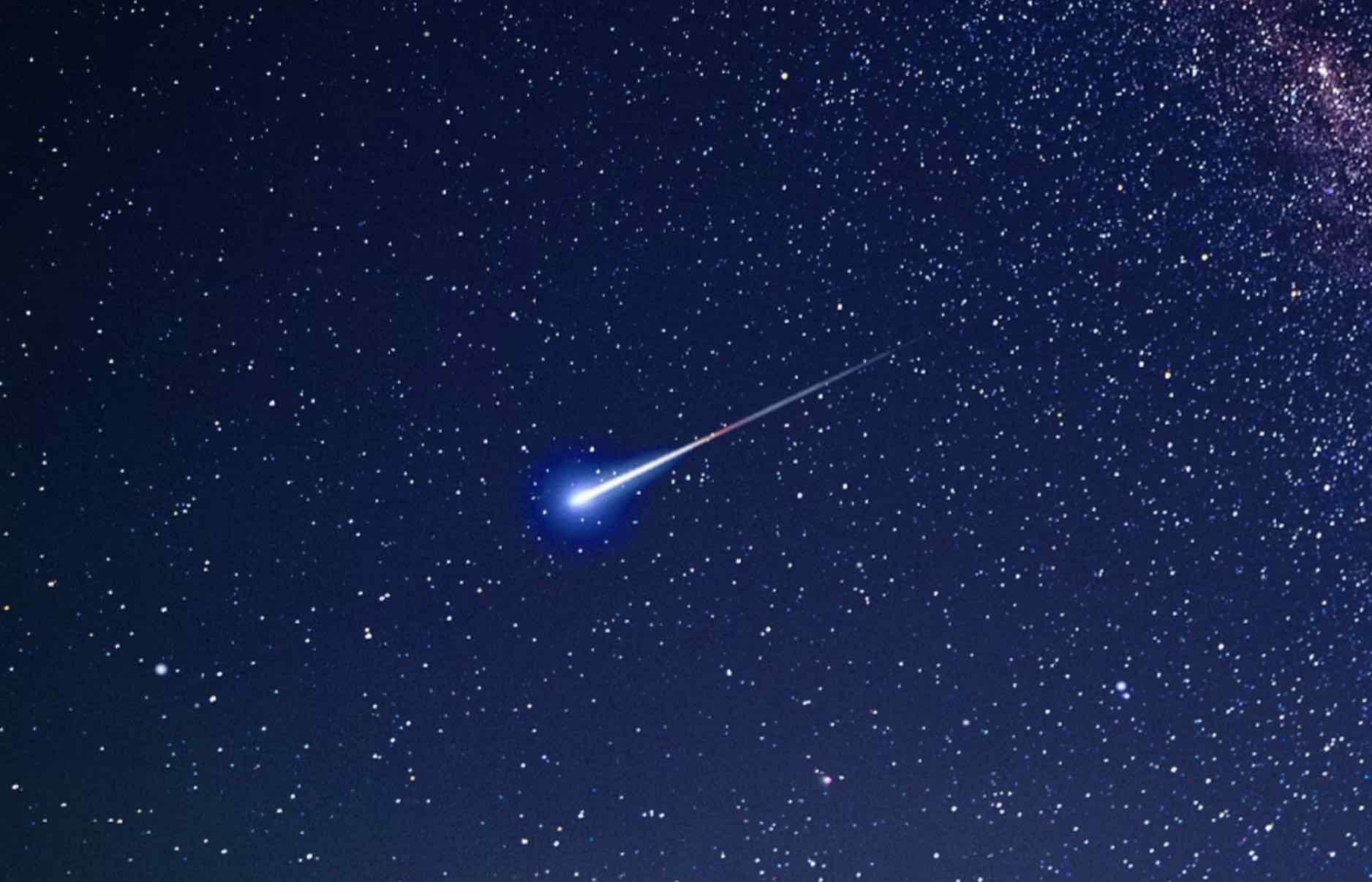
Its journey to Earth, of course, was less glamorous. Scientists believe the rock was violently ejected from Mars’ surface during a massive asteroid impact, launched into the blackness of space, and spent millennia quietly orbiting the Sun before eventually crash-landing on Earth—an epic interplanetary road trip, minus the snacks.
Christie’s, the auction house that facilitated the sale, described the piece as a “one-of-a-kind planetary specimen.” Bidding was brisk, and while the winner has chosen to remain anonymous, auction insiders described the buyer as a “passionate collector with a deep appreciation for planetary science”—or possibly just someone with a thing for really old, really expensive rocks.
“This is not just a rock,” said James Hyslop, head of science and natural history at Christie’s. “This is a time capsule from another world. It’s a Martian ambassador that predates Earth’s continents, offering us rare and direct insight into planetary formation.”
And NWA 7533 isn’t just pretty—it’s useful. The meteorite contains zircon crystals, phosphate minerals, and other exotic compounds that have been closely studied for evidence of ancient water and volcanic activity on Mars. These components have allowed scientists to probe the early Martian environment, and even contemplate whether the planet could have once supported microbial life.
Needless to say, this was no ordinary rock sale. Yet it wasn’t even the most expensive item in the room. That honor went to a juvenile Tyrannosaurus rex skeleton—nicknamed “Tiny Rex” (yes, really)—which sold for over $30 million during the same auction. Between ancient Martian geology and prehistoric apex predators, the auction resembled a mash-up of Jurassic Park and The Martian, with a dash of Wall Street thrown in for good measure.
The scientific community greeted the sale with the enthusiasm of a lab full of grad students who just learned pizza is tax-deductible. While many are excited by the growing public interest in planetary science, others expressed concern that valuable specimens like NWA 7533 might disappear into private hands, away from research institutions and museums. Still, private collectors have been known to loan or donate significant finds to public institutions, and hopes remain high that Black Beauty may someday go on public display.
Meteorites from Mars are vanishingly rare—only about 300 confirmed Martian meteorites have ever been found, and most of them are tiny fragments. A specimen of this size and age entering the market is akin to finding a Fabergé egg on your front lawn, except the egg is 4 billion years old and comes with isotopic data.
With NASA’s current rover missions, Elon Musk’s grand Martian colonization plans, and humanity’s slow march toward spacefaring status, the Red Planet has never been more top-of-mind. Owning a piece of Mars is no longer the stuff of science fiction—it’s the stuff of Sotheby’s catalogs and Swiss vaults.
But for now, this astonishing Martian meteorite will remain the most expensive interplanetary rock in history—a record-setting, awe-inspiring reminder that even in a galaxy full of wonders, sometimes all it takes is a chunk of Mars to make us look up. Or, if you’re a collector, to write a very large check.
















































Want to join the conversation?
Create an account or sign in to share your thoughts, vote,
and reply to other readers.
Showing 0 of 0 comments
Don't have an account?
Already have an account?