
Georgia Gas Price War
Two rival gas stations in Georgia reportedly sparked a local price war after repeatedly lowering their gasoline prices, drawing crowds of motorists eager to take advantage of steep discounts. The reported competition escalated as prices continued to fall, eventually creating significant traffic congestion and prompting police to intervene. According to the provided account, an Amoco and a Sunoco station located across the street from one another began competing for customers after one station reduced its regular unleaded gasoline price by five cents per gallon. The other station responded with an even lower price, setting off a series of reductions that attracted growing attention from local drivers.
Gas Prices Reportedly Drop Below $1 Per Gallon
The price competition reportedly intensified throughout the day as the two stations continued undercutting one another. Prices allegedly fell from $3.58 to $2.50 per gallon before dropping to $1.89 and then $1.39. At the reported peak of the price war, gasoline reached just 97 cents per gallon. The unusually low price quickly spread through social media and local community groups, encouraging more motorists to head to the stations before prices increased again. One driver described watching the price change while waiting in line. “When I pulled up, it was $1.54, and by the time I was third in line, it had dropped to $1.39,” the driver said in the supplied account. The driver reportedly contacted family members to let them know about the discounts.
Why Gas Stations Compete on Price
Gas stations operate in a competitive market where even small differences in fuel prices can influence where motorists choose to fill up. Stations may lower prices to attract customers, protect their market share or respond to nearby competitors. However, gasoline prices reflect several expenses, including wholesale fuel costs, federal and state taxes, transportation, credit card processing and operating expenses. The profit a station earns on each gallon varies according to its costs and business arrangements. When a station sells fuel below its effective cost, it may be using a strategy known as a loss leader. The business hopes to attract additional customers who may also purchase convenience store items such as snacks, beverages and other merchandise. Although lower prices can increase sales volume, selling fuel at a loss can put financial pressure on station operators. If competing businesses continue cutting prices, both may struggle to maintain profitability.
Heavy Traffic Reportedly Prompts Police Response
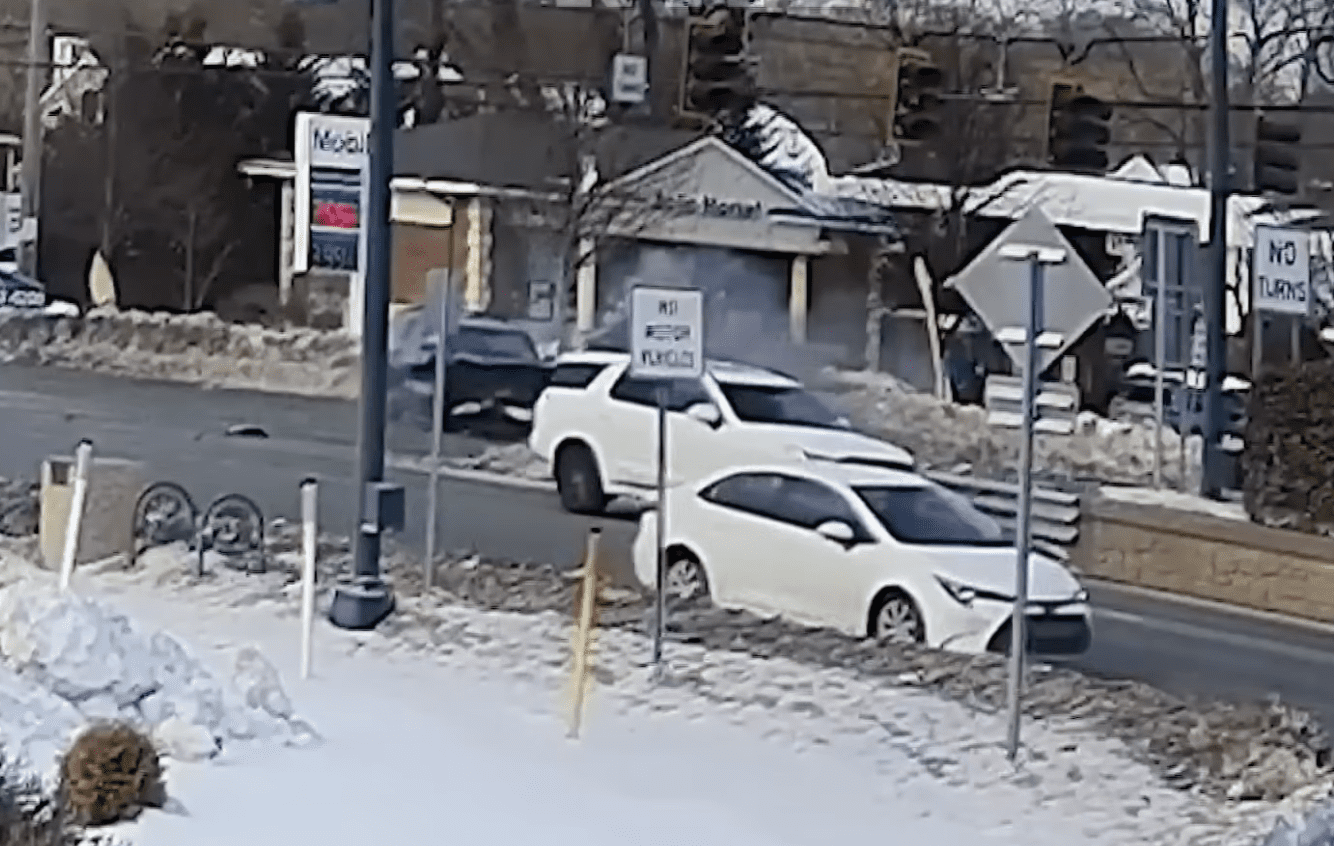
The reported discounts attracted enough motorists to overwhelm the surrounding roads. Lines of vehicles allegedly stretched several blocks, with traffic interfering with turning lanes and access to nearby residential driveways. As congestion increased, local law enforcement reportedly stepped in to help restore traffic flow. Officers temporarily restricted access to the fuel pumps and directed motorists to disperse. The situation demonstrated how an unexpected surge in demand at a local business can affect surrounding streets and residents, particularly when vehicles spill onto busy roads. One driver described the atmosphere as a celebration before authorities cleared the area. “It felt like Christmas over here, y’all,” the driver reportedly said in the supplied account.
Gas Prices Return to Normal
By the following morning, the two stations had reportedly returned their prices to levels closer to the surrounding market. Motorists who purchased gasoline during the price reductions may have saved considerably compared with typical fuel costs. The reported incident highlights the immediate appeal of lower gasoline prices and the potential consequences when competition escalates beyond what nearby roads can accommodate.











































Want to join the conversation?
Create an account or sign in to share your thoughts, vote,
and reply to other readers.
Showing 0 of 0 comments
Don't have an account?
Already have an account?