
Epstein Estate Under Fire: Executors, Victim Payouts, and New Questions About Who Really Benefited
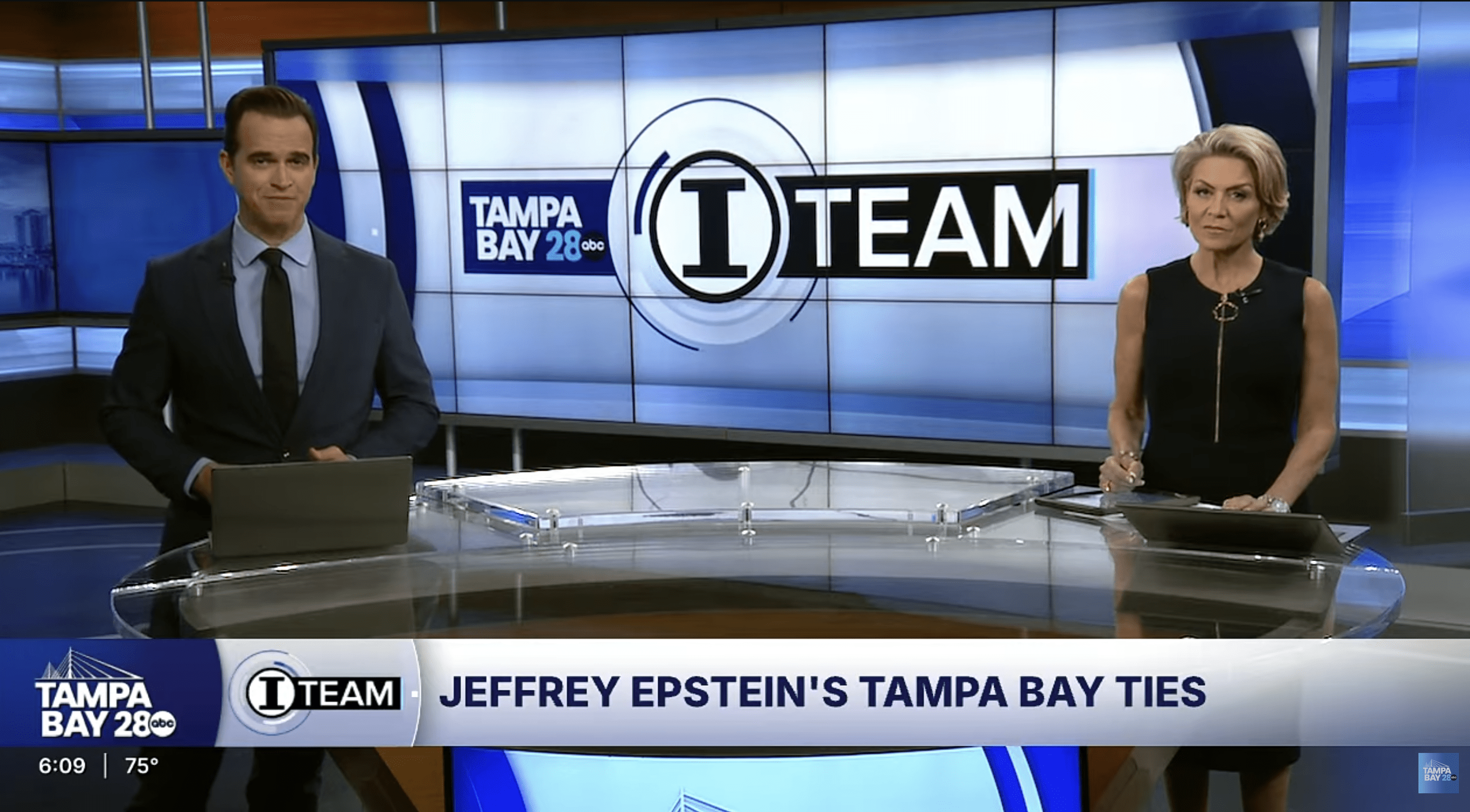
Years after Jeffrey Epstein’s death inside a federal jail cell, the financial machinery surrounding his fortune continues to generate legal battles, political scrutiny, and profound ethical debate. At the center of the controversy are the men Epstein personally selected to control his estate, longtime lawyer Darren Indyke and accountant Richard Kahn who have overseen the distribution of hundreds of millions of dollars while simultaneously facing allegations that they helped manage aspects of Epstein’s financial empire during the period when abuse and trafficking occurred.
The unresolved tension is stark:
Did the legal structure designed to compensate victims also protect insiders and potentially dilute accountability?
The Victim Compensation Program: Large Payouts and Lingering Doubts
Following Epstein’s 2019 death, his estate established a voluntary compensation program intended to resolve claims quickly without prolonged litigation. More than 130 survivors ultimately received payments totaling over $120 million. Additional civil settlements have continued in subsequent years, including a major class-action resolution valued at tens of millions of dollars that targeted estate representatives and advisers accused of facilitating or benefiting from Epstein’s operations.
From a purely financial standpoint, these payouts are significant. But critics note Epstein’s wealth at the time of his death was estimated at roughly $600 million, raising persistent questions about whether victims received a proportionate share once legal costs, administrative fees, taxes, and other distributions were accounted for. This gap has fueled a narrative that justice was monetized rather than fully delivered.
Settlement Structures and Ethical Pressure on Survivors
One of the most contentious elements of the compensation program involved legal provisions that could limit survivors’ ability to pursue additional lawsuits against Epstein associates after accepting payouts. Such arrangements are common in mass-harm settlements. They are often defended as necessary tools to provide faster compensation and reduce retraumatizing courtroom battles. Yet in the Epstein context, involving systemic trafficking, elite enablers, and decades of alleged institutional failures, critics argue these mechanisms may have functioned as a pressure point.
Accept money now and move forward or risk years of uncertainty while powerful defendants deploy extensive legal resources.
For survivors, that choice has been described by advocates as deeply unfair, even if technically lawful.
The Executors: Neutral Administrators or Conflict-Exposed Insiders?
The most explosive criticism centers on the dual role of Epstein’s executors. Darren Indyke served as Epstein’s personal attorney for many years and was involved in managing trusts, real estate entities, and complex financial arrangements tied to Epstein’s fortune. Richard Kahn, Epstein’s longtime accountant, similarly handled financial oversight. Civil lawsuits have alleged that both men helped structure or administer entities connected to Epstein’s operations. They have denied wrongdoing and have not been criminally charged.
However, the optics are troubling to many observers:
Individuals who helped manage Epstein’s wealth during his lifetime were later entrusted with controlling how that wealth was distributed after his death.
That arrangement is legally permissible, wills frequently name trusted advisers as executors, but in a case involving massive sexual abuse, it has generated intense skepticism.
The “Purging” Controversy: What Is Known and What Is Not
Another allegation circulating in legal filings and media discussion involves whether Epstein’s accountant distanced himself from responsibility after Epstein’s arrest and death. Public records show that Richard Kahn signed off on numerous financial transactions, tax filings, and corporate documents tied to Epstein-controlled entities over many years.
In litigation and sworn statements, he has maintained that he had no knowledge of criminal conduct and was performing routine professional duties. Critics argue this defense is difficult to reconcile with the scale and nature of Epstein’s Files, which included extensive international travel, unusually structured trusts, and large payments to individuals later identified as victims or recruiters.
Supporters counter that accountants and attorneys often rely on client representations and are not investigators. There is no verified evidence that Kahn “purged” himself in a legal sense, meaning formally removing responsibility or destroying records, nor has any court found he knowingly participated in criminal activity.
But the broader ethical question remains unresolved:
At what point does professional oversight become willful blindness?
Residual Wealth and the Fear of Insider Benefit
Even after large settlements, the estate still retained substantial assets for years, including valuable real estate and investment holdings. Legal experts note that once all claims are resolved, any remaining funds are typically distributed according to the will’s terms.
For survivors and advocates, this creates a deeply uncomfortable possibility:
People connected to Epstein’s personal or professional circle could ultimately benefit financially from wealth built during the same period as the abuse.
Whether that outcome will occur depends on ongoing litigation, asset recoveries, and final court rulings.
Is the Arrangement Toxic or Unethical?
Legally, Epstein’s estate structure is not unprecedented. Compensation funds, confidentiality provisions, and negotiated settlements are standard tools in mass-harm cases ranging from corporate disasters to institutional abuse scandals. Ethically, however, Epstein’s case occupies a different universe. The combination of extreme wealth, elite social networks, alleged enablers, and decades of systemic failure has created a perception that the justice system prioritized closure and financial efficiency over full transparency and accountability. Victims received real money. But many observers believe the broader system that enabled Epstein has never been fully exposed and that estate mechanics may have unintentionally reinforced that outcome.
The Epstein estate saga is ultimately a collision between legal process and moral expectation. Executors insist they followed the law. Survivors and advocates argue the law itself may have fallen short. As new political pressure and civil litigation continue, the central question remains painfully relevant:
When justice is negotiated through financial settlements, who decides when the debt is truly paid and who decides what accountability looks like?

















































Want to join the conversation?
Create an account or sign in to share your thoughts, vote,
and reply to other readers.
Showing 0 of 0 comments
Don't have an account?
Already have an account?