
SOTU Recap: Trump Delivers Record Long Address Fueled by Dark Imagery and Applause Lines
It wasn’t a State of the Union. It was a performance.
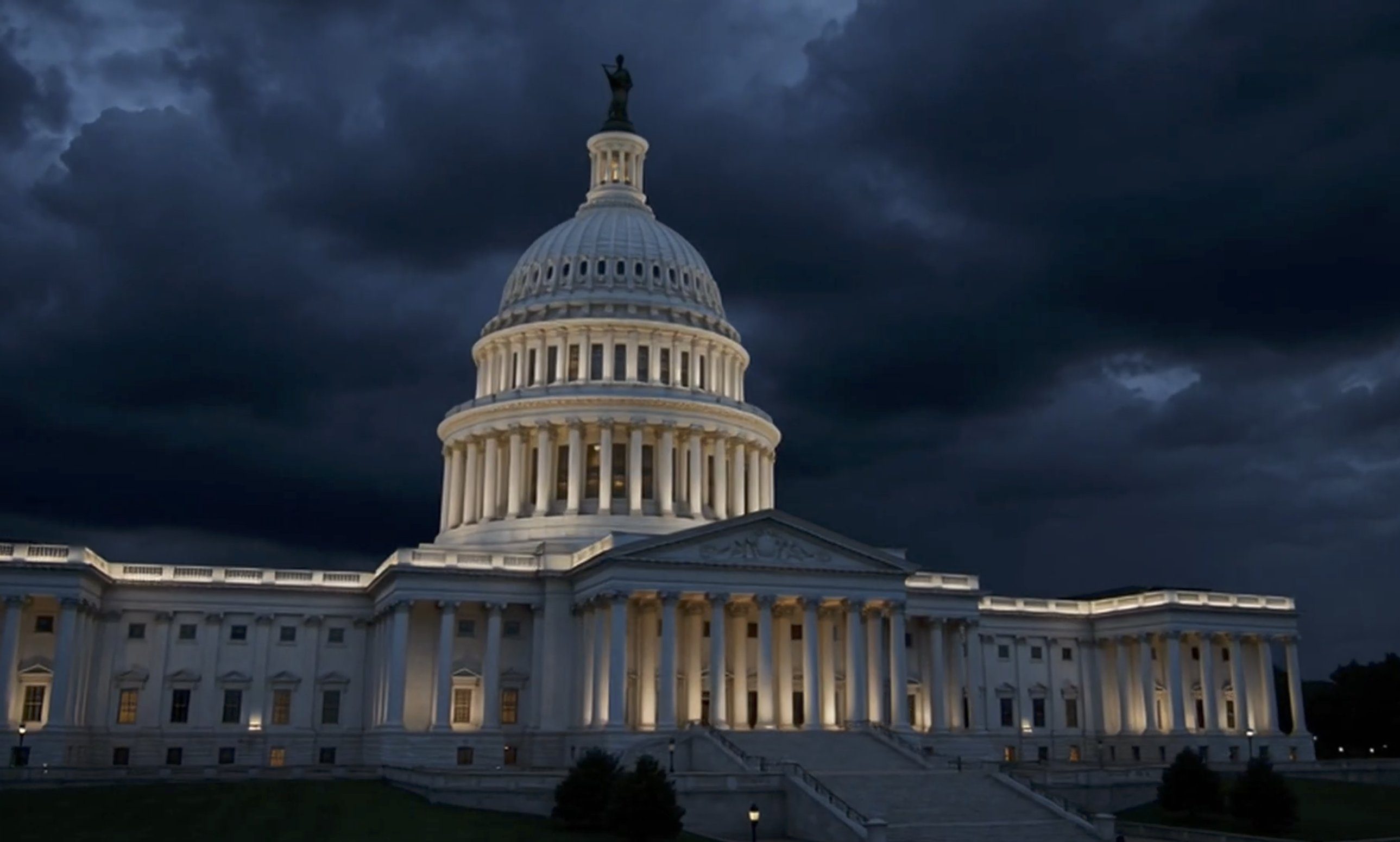
When Donald Trump stepped to the podium for his latest address to Congress, he delivered the longest speech of its kind in modern American history, a marathon showcase of grievance politics, cinematic rhetoric, and self-congratulatory spectacle that felt closer to a campaign rally than a constitutional obligation.
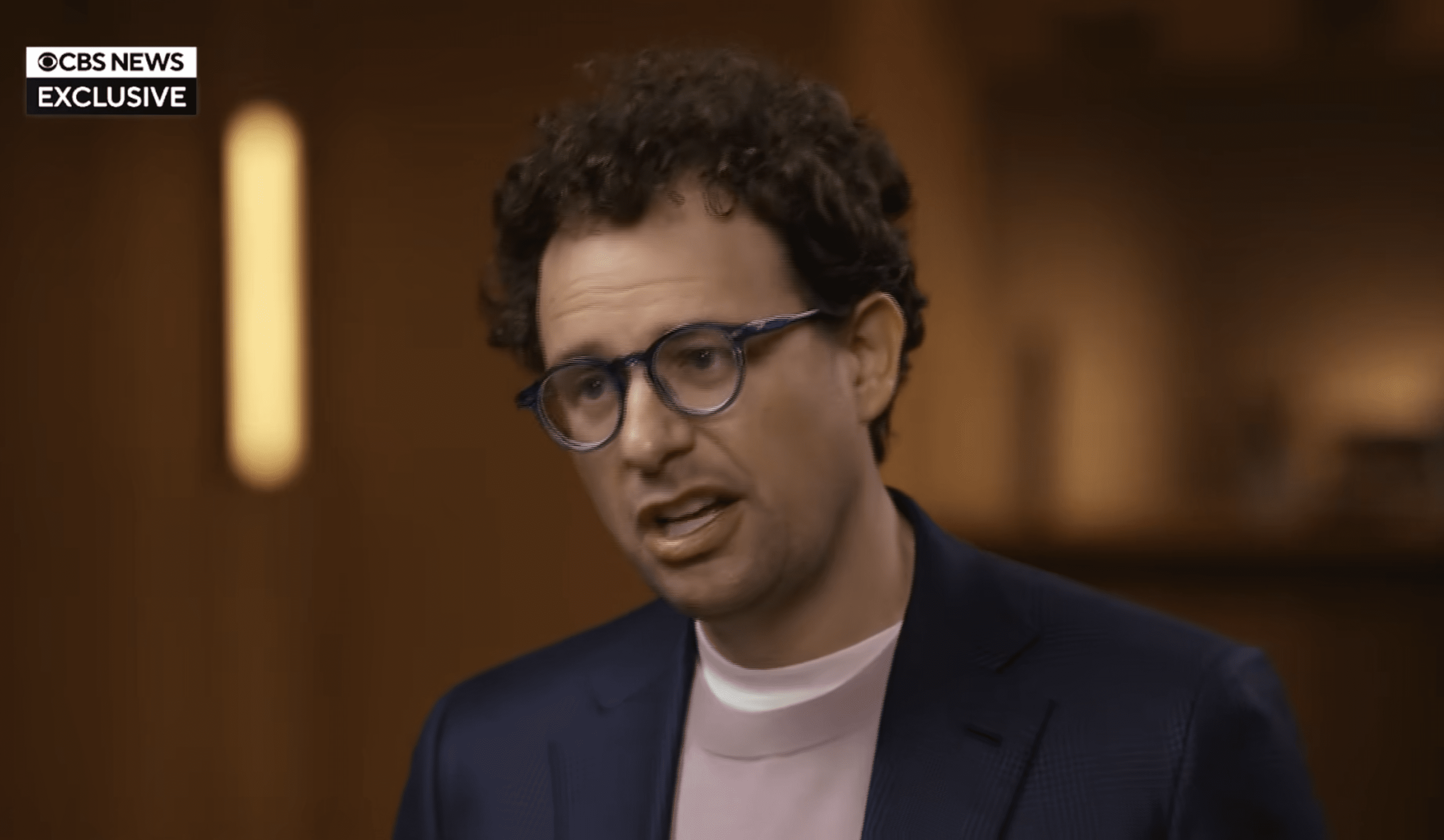
And within hours, The Daily Show did what late-night does best: cut through the drama and frame it for what it was, political theater dialed to eleven. This wasn’t policy heavy governance. It was applause engineering.
Record Length, Record Heat
Clocking in at nearly two hours, the address shattered previous modern benchmarks for length. But the extended runtime didn’t translate into extended substance.
Instead, the speech leaned heavily into graphic storytelling, particularly around crime and immigration, employing imagery critics described as excessively violent and hyperbolic. The tone oscillated between dark, cinematic narratives and triumphant declarations of American resurgence. It was aggressive. It was emotional. And it was meticulously structured for reaction. The chamber delivered it.
The Awards Show Presidency
Another throughline of the night: pageantry.
Trump spotlighted athletes, law enforcement officers, military figures, and select private citizens in a series of made-for-television moments that played like an awards ceremony interspersed with political attacks. The pacing felt intentional, story, applause, pivot, applause, escalation, applause. Every segment built toward crowd affirmation. That formula may be politically effective inside a friendly chamber. Whether it persuades undecided voters is another question entirely.
Rhetoric Over Roadmaps
Beyond the spectacle, the policy framework was thin.
Economic claims were broad and celebratory, but light on measurable benchmarks. Immigration remarks were emotionally charged but short on operational specifics. Foreign policy references were framed as strength-first declarations rather than detailed diplomatic strategies.
The throughline wasn’t governance architecture. It was dominance messaging. That strategy aligns with Trump’s long-standing communication model: control the emotional temperature of the room, own the narrative cycle, force opponents to respond to tone rather than specifics.
A Country Divided Again
If the goal of a State of the Union is national cohesion, this address reinforced polarization instead.
Supporters saw resolve and strength. Critics saw exaggeration and spectacle. Independents saw what they’ve seen for nearly a decade: a presidency that thrives on confrontation and theatrical contrast. And that’s precisely why the segment exploded across digital media.
Because in 2026, the State of the Union isn’t just delivered in the House chamber. It’s delivered in clips, memes, commentary panels, and late-night monologues within minutes of the final gavel.
Why This Matters
Presidential rhetoric shapes markets. It shapes public mood. It shapes global perception.
When the longest State of the Union in history leans harder into dramatic imagery than measurable roadmaps, it signals something larger about the current political era: persuasion through spectacle is now a governing strategy.
The Daily Show framed it as dark, award-heavy, and almost cinematic. That satire lands because the line between policy and performance continues to blur. The real question isn’t whether the speech broke records. It’s whether it built anything lasting beyond the applause.










































Want to join the conversation?
Create an account or sign in to share your thoughts, vote,
and reply to other readers.
Showing 0 of 0 comments
Don't have an account?
Already have an account?