
Schlitz Brewing To Close Its Doors
For generations of American beer drinkers, Schlitz wasn’t just another lager sitting on a grocery store shelf. It was a cultural institution. It was the beer in your grandfather’s refrigerator, the sponsor of baseball broadcasts, and one of the most recognizable names in American brewing history.
Now, after 177 years, Schlitz Premium has effectively reached the end of the line.
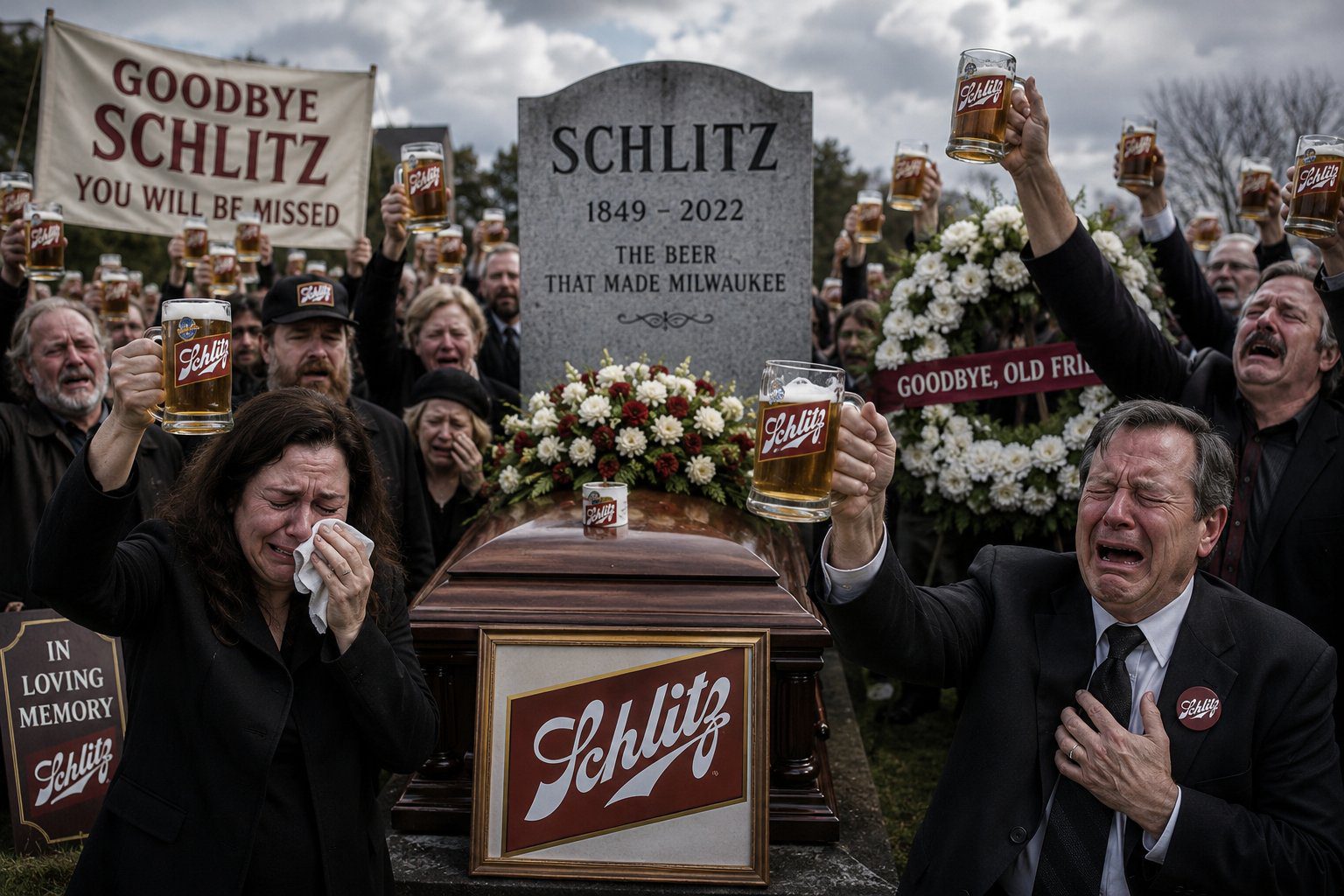
In May 2026, Pabst Brewing Company announced that it was placing Schlitz “on hiatus,” ending production of one of America’s oldest and most historic beer brands. While the company left the door open for a future comeback, many beer historians and longtime fans view the move as the final chapter in a story that helped shape the American brewing industry.
The Origins of Schlitz
The story begins in Milwaukee in 1849 when German immigrant August Krug founded a small brewery. A young bookkeeper named Joseph Schlitz joined the company several years later. When Krug unexpectedly died in 1858, Schlitz married Krug’s widow and assumed control of the brewery.
The brewery was subsequently renamed after Joseph Schlitz, and a brewing legend was born.
Milwaukee was becoming a hub for German immigrants and beer production, but Schlitz found its biggest opportunity in 1871 after the Great Chicago Fire devastated much of Chicago, including many local breweries. While competitors struggled to rebuild, Schlitz rapidly shipped beer to the city, winning over thousands of new customers and establishing itself as a major national brand.
The company adopted the famous slogan: “The Beer That Made Milwaukee Famous.”
It wasn’t just marketing hype. By the early 1900s, Schlitz had become one of the largest breweries in America and eventually the largest brewery in the world.
Surviving Prohibition and Dominating America
Like every brewery in America, Schlitz faced a major challenge during Prohibition from 1920 to 1933. The company survived by producing non-alcoholic products and other beverages until beer became legal again.
When Prohibition ended, Schlitz exploded in popularity.
Throughout the 1940s and 1950s, the brand became synonymous with American beer. Its advertising was everywhere. Its distribution network stretched across the nation. By the late 1940s, Schlitz was reportedly the top-selling beer in America and one of the most valuable beer brands on Earth.
For decades, Schlitz battled industry giants like Anheuser-Busch for market dominance. Millions of Americans drank it regularly, and its iconic logo became a fixture in bars, taverns, and sporting events.
The Mistakes That Started the Decline
What makes the Schlitz story so fascinating is that its downfall wasn’t caused by one catastrophic event.
It was a series of decisions.
In the 1970s, company executives became obsessed with increasing production and reducing costs. To speed up brewing and improve efficiency, Schlitz altered ingredients and modified parts of its brewing process.
Unfortunately, consumers noticed.
Beer drinkers began complaining that Schlitz no longer tasted the way it once had. Product quality concerns started spreading, and the company’s reputation suffered. While management attempted to address the problems, the damage had already been done.
At the same time, competitors like Anheuser-Busch, Miller, and Coors were aggressively expanding and investing heavily in national marketing.
The combination proved devastating.
The Collapse of a Giant
Throughout the late 1970s and early 1980s, Schlitz experienced a dramatic decline.
What had once been America’s best-selling beer was losing shelf space, customers, and market share. In 1982, the historic Schlitz Brewing Company was sold to Stroh Brewery Company, effectively ending the brewery’s independent existence.
For many beer enthusiasts, that sale marked the true end of Schlitz as they knew it.
The brand itself survived, but ownership changed hands several times over the following decades.
In 1999, Pabst Brewing Company acquired the Schlitz brand and later attempted to revive it. The company even reintroduced versions based on older recipes to appeal to nostalgic drinkers who remembered the beer’s glory days.
While those efforts generated enthusiasm among some longtime fans, Schlitz never regained its former dominance.
The Final Chapter
The announcement in 2026 wasn’t entirely surprising.
Beer consumption patterns have changed dramatically in recent decades. Craft breweries exploded across the country, younger consumers began exploring a wider range of beverage options, and legacy beer brands struggled to maintain relevance.
Pabst cited increasing storage and shipping costs as the primary reason for placing Schlitz Premium on hiatus. The company stated that the decision was difficult but necessary due to economic realities.
To honor the brand’s legacy, Wisconsin Brewing Company produced a final commemorative batch using a recipe inspired by Schlitz’s golden era in the 1940s and 1950s.
For beer historians, it was less a product launch and more a farewell toast.
More Than Just a Beer
The story of Schlitz is really the story of American brewing itself.
It began with German immigrants chasing opportunity in the Midwest. It survived Prohibition. It became a global powerhouse. It dominated the post-war beer market. Then it fell victim to changing consumer tastes, corporate decisions, and fierce competition.
Few brands can claim they helped build an entire city’s identity. Schlitz did exactly that.
Even today, the phrase “The Beer That Made Milwaukee Famous” remains one of the most recognizable slogans in brewing history.
Whether Schlitz eventually returns from hiatus remains to be seen. Pabst has suggested the possibility is still on the table if demand warrants it.
But for now, one of America’s oldest and most iconic beers has reached last call.
And for millions of Americans who grew up seeing that familiar red-and-gold label, it’s the end of an era.






































Want to join the conversation?
Create an account or sign in to share your thoughts, vote,
and reply to other readers.
Showing 0 of 0 comments
Don't have an account?
Already have an account?