
Haley Robson Speaks Out: Epstein Survivor Pushes for Full Transparency as Her Story Returns to the Spotlight
Years after Jeffrey Epstein’s death and the conviction of his longtime associate Ghislaine Maxwell, one of the most prominent survivors tied to Epstein’s Florida operation is again speaking publicly, this time with renewed urgency about what she says are unfinished investigations and hidden records.
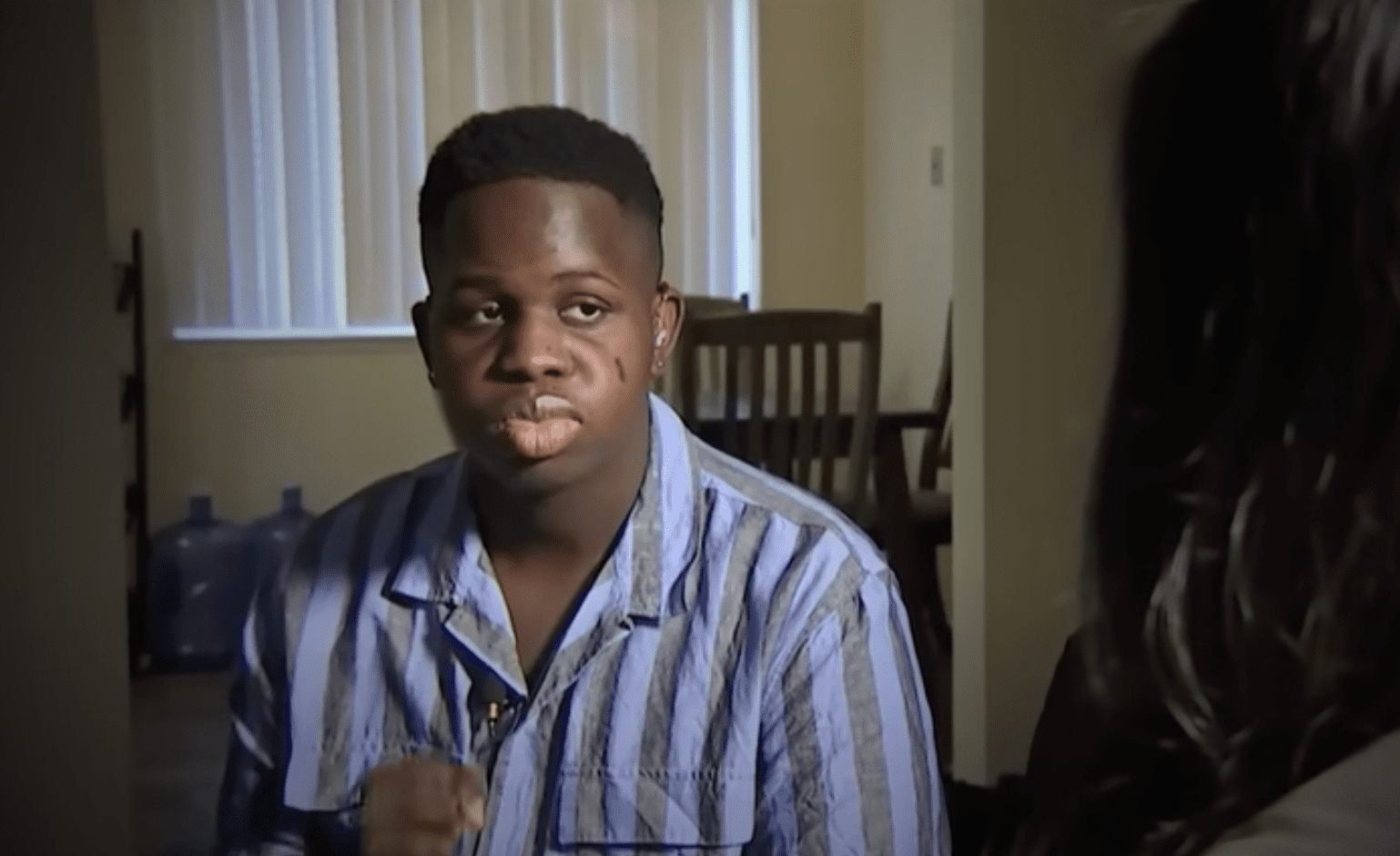
Haley Robson, who has long been identified in major reporting as one of the Palm Beach teenagers drawn into Epstein’s network, is now positioning herself as both a survivor and an advocate in the growing national fight over the release of Epstein related files.
Her recent long form interview, widely circulating online, adds another chapter to a story that has become central to understanding how Epstein’s trafficking operation functioned, how it was allowed to continue, and why many survivors believe accountability remains incomplete.
Entry Into Epstein’s Orbit
Robson has publicly stated she first encountered Epstein in 2002, when she was 16 years old and a student in West Palm Beach, Florida. According to her account reported by national outlets, she was recruited by another teenage girl and drawn into what she later described as a highly controlled environment of abuse, manipulation, and financial pressure.
She has said she remained connected to Epstein’s world for roughly two years, a period that shaped both her trauma and her later advocacy. Her story reflects broader findings from civil lawsuits and investigative reporting that Epstein relied heavily on victims themselves to recruit additional minors, a pattern prosecutors later described as central to his trafficking system.
Recruitment and Survivor Guilt
One of the most difficult aspects of Robson’s public narrative has been her acknowledgment that she brought other girls to Epstein. She has described this as a survival mechanism within a coercive system that rewarded compliance with cash payments and status while discouraging resistance.
In Florida television interviews in 2024, she said Epstein raped her at age 16 and that she was paid for introducing other minors to him, admissions that have become key to understanding how Epstein’s operation expanded. That role has also made her one of the most controversial Epstein survivors, with critics pointing to recruitment while advocates emphasize the psychological control common in trafficking cases.
Fight to Expose the Florida Case
Robson’s activism has been especially visible in South Florida, where Epstein’s 2006 prosecution became a national scandal after federal charges were dropped in favor of a controversial state plea deal. She appeared publicly in 2024 alongside state officials as Florida passed legislation allowing previously secret grand jury materials tied to Epstein’s case to be released, a move survivors argued was necessary to understand how prosecutors handled early evidence of abuse.
That effort reflected a broader demand from victims to examine institutional decisions that allowed Epstein to continue cultivating relationships with wealthy and politically connected individuals long after becoming a registered sex offender.
Capitol Hill Advocacy and File Disclosure Pressure
In recent years, Robson has taken her advocacy to Washington, appearing at press events connected to bipartisan legislative efforts to compel the Justice Department to release millions of pages of Epstein investigative records. She also filed a formal letter in early 2026 urging a federal judge to enforce disclosure deadlines set by Congress.
In that filing, she argued that key materials remained withheld, including victim interview reports, prosecution memos from the Florida investigation, draft indictments, and large volumes of electronic communications.
Her message has been consistent: survivors believe the public still does not fully understand the scope of Epstein’s influence network.
Political Fallout and Ongoing Debate
Robson has also publicly criticized government officials from multiple political parties, arguing that Epstein’s legacy has become entangled in partisan battles that distract from survivor justice. Her advocacy intensified following the partial release of Epstein files under new federal transparency laws, which she and other survivors described as incomplete and heavily redacted.
At the same time, none of the powerful figures whose names have surfaced in connection with Epstein have been criminally charged solely on the basis of appearing in investigative documents, a legal distinction that remains central to responsible reporting on the case.
The Role of Personal Testimony
Her recent interview continues a pattern seen across the Epstein survivor community: using media appearances as a way to reclaim narrative control while pressuring institutions for answers. Experts in trauma recovery note that public testimony can serve both as a form of personal healing and as a catalyst for broader systemic change. For Robson, the interview is not just retrospective. It is part of an ongoing campaign to ensure that Epstein’s story is not reduced to a closed criminal case.
A Scandal That Still Has No Final Chapter
Jeffrey Epstein died in federal custody in 2019 while awaiting trial on child sex trafficking charges. Maxwell was later convicted and sentenced to 20 years in prison. But survivors like Robson argue the deeper questions remain unresolved.
How did Epstein maintain access to elite political, financial, and cultural circles for so long?
Why were earlier warnings insufficient to stop him?
And what information still sits in sealed files?
As congressional investigations expand and document releases continue, Robson’s voice is likely to remain part of the national conversation, a reminder that the Epstein scandal is not just about crimes of the past, but about the institutions that shaped how those crimes were addressed.















































Want to join the conversation?
Create an account or sign in to share your thoughts, vote,
and reply to other readers.
Showing 0 of 0 comments
Don't have an account?
Already have an account?