
How Year Round Events Are Changing Miami and Fort Lauderdale
South Florida events now stretch across nearly every month, changing how residents in Miami and Fort Lauderdale plan weekends, commutes, reservations, and simple errands. Crowds repeatedly concentrate in the same districts, creating pressure on streets, parking, restaurants, and public spaces.
A festival in Downtown Miami, a boat show in Fort Lauderdale, or a major art fair in Miami Beach can affect far more than ticket holders. Residents may face slower trips, full garages, crowded restaurants, and heavier pedestrian traffic.
South Florida’s Entertainment Calendar Is No Longer Seasonal
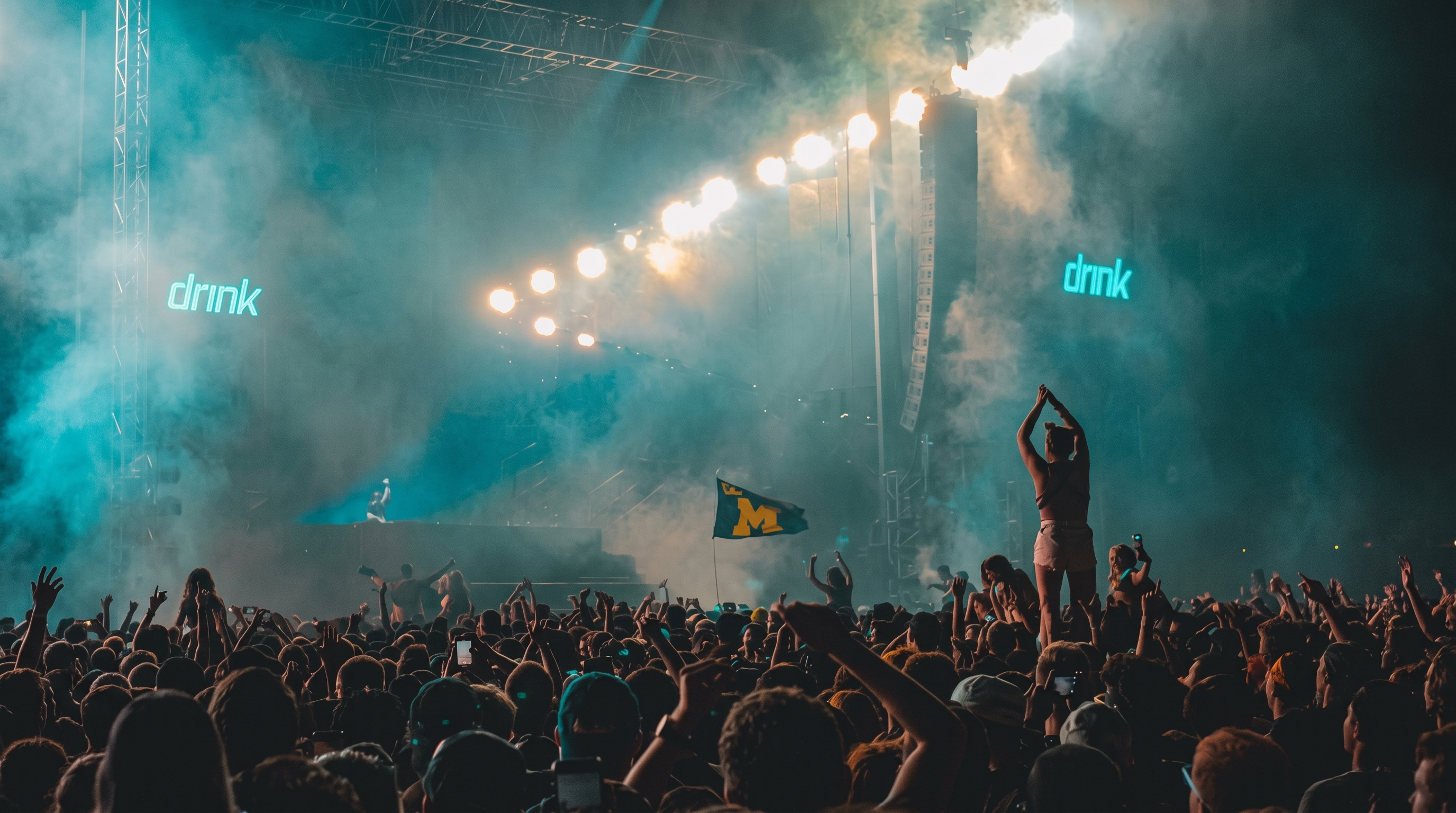
Major festivals and shows appear on tourism calendars from January through November and into the December art season. Art Deco Weekend opens the year in Miami Beach, followed by the Miami International Boat Show in February and the Miami Open in March. Ultra Music Festival arrives in late March, Miami Swim Week follows later in spring, and Miami Carnival takes place in October.
Fort Lauderdale adds the Visit Lauderdale Food & Wine Festival in January and the Fort Lauderdale International Boat Show at the end of October. Instead of one clearly defined high season, South Florida now moves from one major event period into another.
Where Crowds Are Reshaping Weekend Life
Downtown Miami, Brickell, and Wynwood
These neighborhoods host recurring festivals, concerts, art events, sports crowds, and nightlife that place thousands of additional people in compact areas. Foot traffic spills onto sidewalks and side streets, while short rides between Downtown, Brickell, and Wynwood can take longer than expected.
Miami Beach, Bayfront Park, and Waterfront Venues
Bayfront Park and the Miami Beach Convention Center corridor remain central to some of the region’s biggest events. Waterfront programming creates sustained pedestrian flow, while major Miami Beach events put additional pressure on garages, causeways, and rideshare pickup areas.
Fort Lauderdale’s Las Olas, Flagler Village, and Beachfront Corridors
Las Olas Oceanside Park and nearby beach areas host food festivals and public events, while the Fort Lauderdale International Boat Show spreads activity across several waterfront locations. Flagler Village and Las Olas Boulevard add nightlife, restaurants, galleries, and smaller events.
From International Headliners to Local Stages
Major Sports, Concerts, Festivals, and Art Fairs
Art Basel Miami Beach, the Miami Open, and Ultra Music Festival remain among South Florida’s most visible draws, but they sit alongside boat shows, food festivals, sporting events, cultural celebrations, and seasonal art programming.
This also changes how visitors use the region. A single day may include a hotel checkout, an afternoon event in one neighborhood, and an evening show somewhere else. When several hours separate those plans, carrying luggage from one location to another can become inconvenient. Travelers who need somewhere to leave their bags between stops can learn more about short term storage options before planning the rest of the day.
Smaller Venues Keep Neighborhoods Active
Places such as the Aventura Arts and Cultural Center, Miami Light Project, and Coral Gables Art Cinema maintain regular schedules outside headline festival periods.
Restaurants stay busy later, parking turns over through the evening, and neighborhood streets remain active between major festival weekends. This steady programming keeps the entertainment economy moving even when no international event dominates the calendar.
Traffic and Local Businesses Feel the Effects
Event weekends create congestion around convention centers, parks, beaches, stadiums, and waterfront corridors outside standard commute times. A Saturday afternoon can resemble a weekday rush hour, while concerts and festivals may produce another surge late at night.
Temporary access changes, full garages, bridge delays, and increased rideshare demand can affect even short trips. Hospitality operators also adapt: Miami Spice periods and Art Week dates bring reservation surges, while Fort Lauderdale’s boat show window creates heavier demand around waterfront restaurants and bars.
What Residents Should Watch on Big Event Weekends
Before heading into a busy district, it helps to review:
- City traffic notices: Check for road closures, bridge restrictions, and changed access points.
- Venue calendars: Verify exact start and finish times.
- Tourism calendars: Track multi day festivals affecting several neighborhoods.
- Parking information: Confirm whether garages require advance reservations or event rate pricing.
- Transit and rideshare plans: Arrange a backup pickup or drop off point in advance.
- Weather forecasts: Prepare for outdoor, waterfront, and beach events.









































Want to join the conversation?
Create an account or sign in to share your thoughts, vote,
and reply to other readers.
Showing 0 of 0 comments
Don't have an account?
Already have an account?