
Nicolás Maduro Lands in New York, Faces Prosecution in Southern District of New York
NEW YORK — Ousted Venezuelan President Nicolás Maduro arrived in U.S. custody in New York on Saturday, setting the stage for one of the most extraordinary criminal prosecutions ever brought against a foreign head of state in American history.
Maduro and his wife, Cilia Flores, landed at Stewart Air National Guard Base, just north of New York City, hours after being captured during a U.S. military operation in Caracas. According to officials familiar with the operation, the couple was first transported to the USS Iwo Jima before being flown to New York to face federal charges in the Southern District of New York.
Sources told CBS News that Maduro and Flores could be arraigned as soon as Monday in Manhattan federal court.
High-Security Detention in Brooklyn
Federal authorities expect Maduro and Flores to be housed at the Metropolitan Detention Center in Brooklyn, one of the few federal facilities capable of holding high-risk, high-profile defendants. The MDC has previously housed figures such as Joaquín “El Chapo” Guzmán, Ghislaine Maxwell, and Sean “Diddy” Combs, underscoring the seriousness of the case and the extraordinary security considerations surrounding the former Venezuelan leader. Images released Saturday showed Maduro and Flores arriving in custody by helicopter at the Downtown Manhattan Heliport, with DEA agents and other federal personnel securing the area.
Sweeping Narco-Terrorism Charges Unsealed
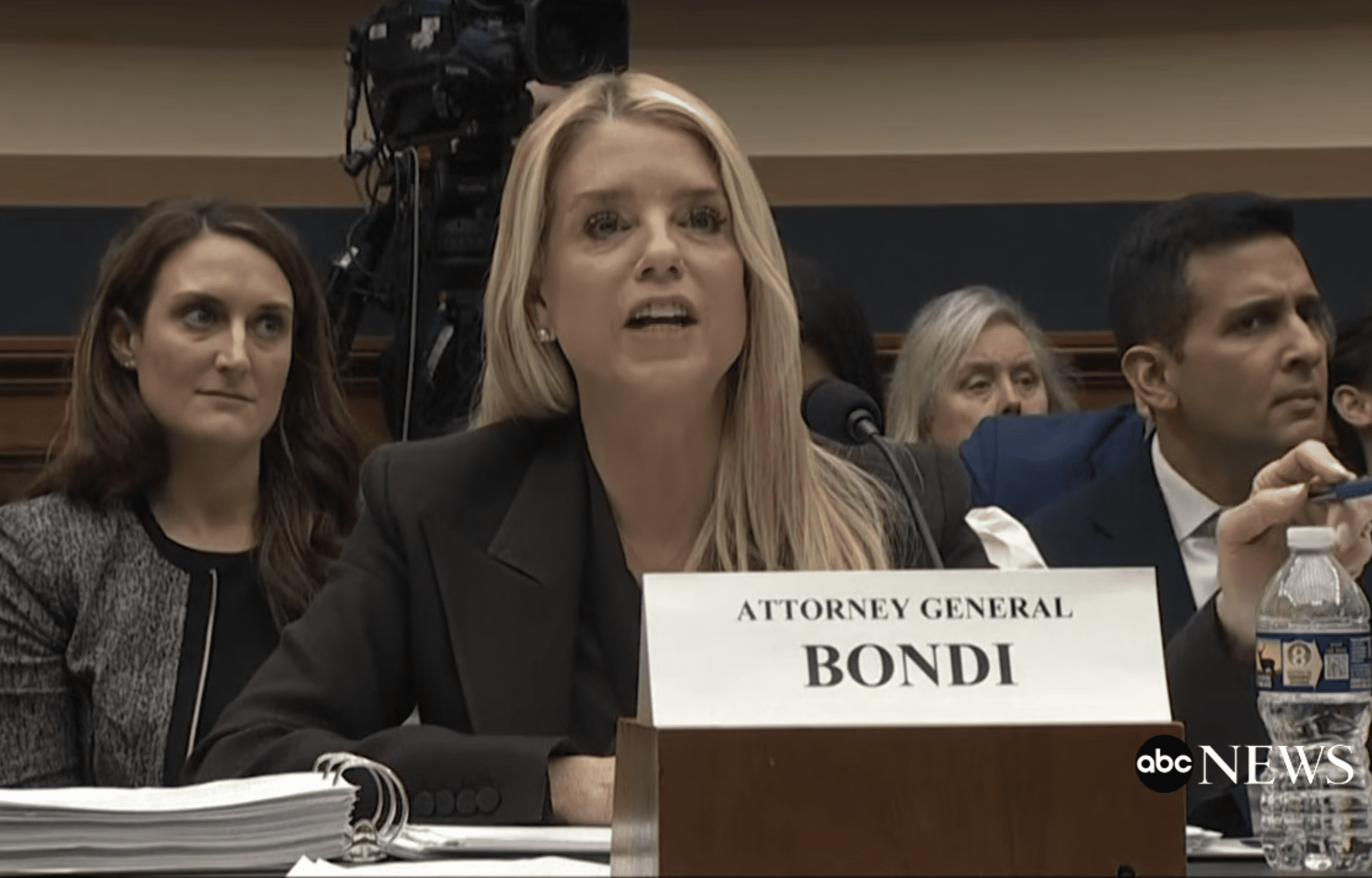
Maduro’s arrival coincided with the unsealing of a superseding indictment in the Southern District of New York, announced by U.S. Attorney General Pam Bondi. The indictment accuses Maduro, members of his family, and senior officials in his government of conspiracy to commit narco-terrorism, conspiracy to import cocaine into the United States, and possession of and conspiracy to possess machine guns and destructive devices.
Bondi said Saturday that Maduro and Flores will face prosecution in American courts under longstanding indictments that accuse the Venezuelan government of functioning as a criminal enterprise. The charges largely mirror those filed in 2020, but this marks the first time U.S. prosecutors have had Maduro physically in custody, a scenario once considered highly unlikely.
The indictment, prepared by U.S. Attorney Jay Clayton, alleges that for more than 25 years Venezuelan leaders abused public office to turn state institutions into tools for international drug trafficking. Prosecutors claim Maduro sat at the center of that system, using his authority to facilitate the shipment of thousands of tons of cocaine into the United States.
Allegations Against Cilia Flores
Federal prosecutors also allege that Flores played a direct role in facilitating drug trafficking operations. According to the indictment, she brokered a meeting between a major drug trafficker and Venezuela’s former anti-drug chief, Néstor Reverol Torres, and accepted hundreds of thousands of dollars in bribes in 2007. Prosecutors allege the trafficker arranged payments of $100,000 per flight to allow cocaine shipments to move freely. Reverol Torres was indicted by U.S. prosecutors in New York in 2015.
Longstanding Ties to FARC
Earlier indictments also allege that Maduro and senior Venezuelan officials collaborated with the Colombian guerrilla group Fuerzas Armadas Revolucionarias de Colombia (FARC) to traffic cocaine and weapons into the United States, effectively blurring the line between state authority and transnational organized crime. Maduro has consistently denied the allegations, calling them politically motivated and claiming Washington is using the charges as a pretext to seize Venezuela’s oil resources.
A Prosecution With Global Consequences
Hours after Maduro’s arrival, President Donald Trump said the United States would temporarily run Venezuela and tap its vast oil reserves, framing Maduro’s prosecution as part of a broader effort to dismantle what U.S. officials have long described as a “narco-state.” The Southern District of New York widely regarded as the most aggressive and internationally experienced federal prosecutorial office in the country has previously taken down cartel leaders, terrorist financiers, and corrupt foreign officials. Bringing a former sitting head of state into its jurisdiction marks a dramatic escalation.
As Maduro awaits his first court appearance, the case represents more than a criminal proceeding. It is a geopolitical rupture, one that could reshape U.S. and Latin American relations while also testing the limits of international law, all playing out inside a Manhattan courtroom.










































Want to join the conversation?
Create an account or sign in to share your thoughts, vote,
and reply to other readers.
Showing 0 of 0 comments
Don't have an account?
Already have an account?