

CIA and Director of National Intelligence Hit by Cybersecurity Breach, Raising National Security Concerns
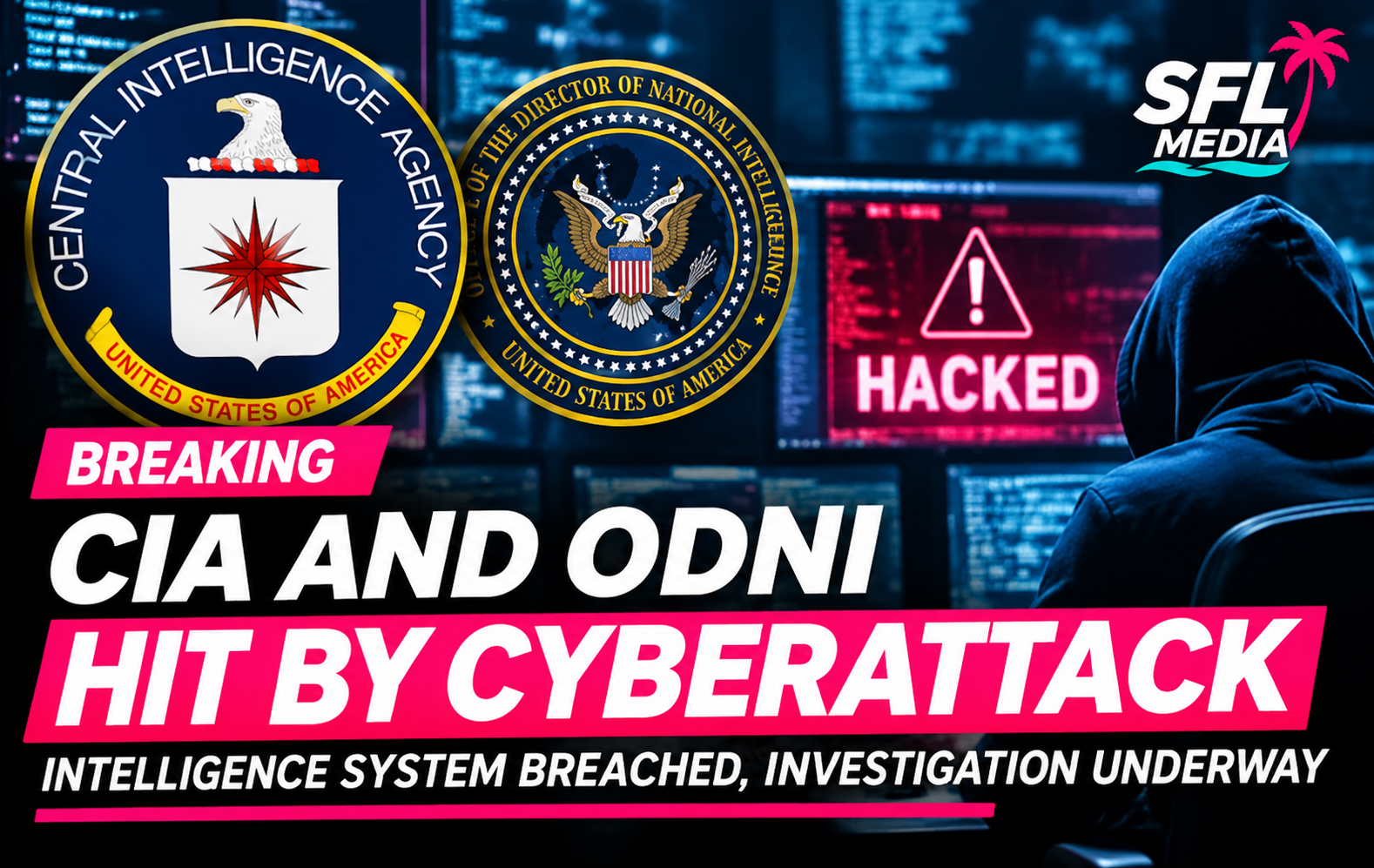
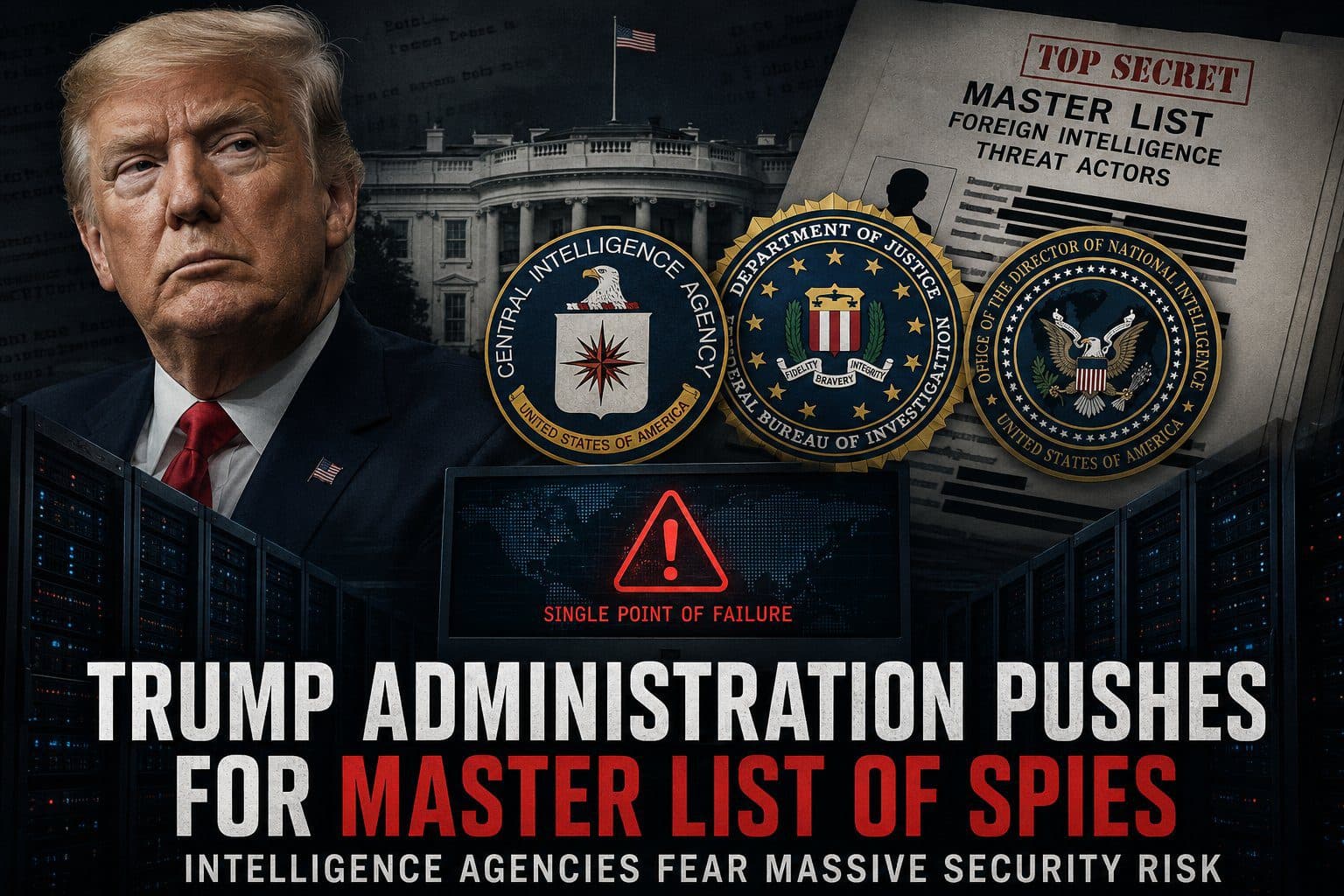
A cybersecurity breach has compromised an intelligence system used by the Central Intelligence Agency (CIA) and the Office of the Director of National Intelligence (ODNI), raising new questions about the security of America’s federal information infrastructure following a series of reported cyberattacks and technological disruptions.
The intrusion, publicly reported on Tuesday, November 24, 2026, affected a network used to collect and analyze open source intelligence, including publicly available information and commercially acquired data. Sources familiar with the investigation told The New York Times that information belonging to other federal agencies may also have been exposed.
Officials maintain that classified intelligence systems were not compromised and that critical intelligence capabilities were not disrupted. However, authorities have not publicly identified the perpetrators, disclosed how the intrusion occurred or provided a comprehensive accounting of the information potentially exposed.
The incident comes just days after reports emerged that the FBI was investigating a suspected breach involving its National Crime Information Center, one of the country’s most important law enforcement databases.
Hackers Target America’s Open Source Intelligence Network
According to reporting from The New York Times, Reuters and The Associated Press, the compromised network was designed to help intelligence analysts identify national security threats, geopolitical developments and other matters of strategic importance using publicly accessible and commercially acquired information. Although classified material reportedly remained secure, the full extent of the breach and its potential impact on other government agencies remain unclear.
An official with the Office of the Director of National Intelligence sought to distinguish the incident from a compromise of America’s classified intelligence infrastructure.
“There have been no disruptions to critical capabilities or classified systems.” — Office of the Director of National Intelligence
A person familiar with the incident told The Associated Press that the immediate security issue had been resolved. A CIA official separately confirmed to the Washington Examiner that the affected network was unclassified and that the issue had been addressed. Neither agency has publicly provided a comprehensive explanation of the intrusion, leaving significant questions about its scope, severity and potential intelligence consequences.
Unclassified Does Not Mean Unimportant
Although the compromised system reportedly contained unclassified information, that distinction does not necessarily mean the incident poses no national security risk. Open source intelligence, commonly referred to as OSINT, has become an increasingly important component of modern intelligence operations. Analysts use commercial satellite imagery, international news coverage, social media activity, corporate records, public databases and other information sources to identify emerging threats and monitor global developments.
When combined with classified intelligence, these resources can help agencies develop assessments of foreign military activity, economic conditions, political instability and potential security threats. The greater concern may not be the underlying public information itself, but what intelligence agencies are doing with it. Depending on the architecture of the compromised system and the information accessed, an intrusion could potentially expose intelligence priorities, analytical methods or areas of geopolitical interest.
Knowing what American intelligence agencies are investigating can itself provide valuable information to a foreign adversary. Whether any such analytical activity was exposed in this particular breach remains unknown.
CIA Breach Follows Suspected FBI Database Hack
The latest disclosure comes amid growing concerns surrounding the cybersecurity of America’s federal government under President Donald Trump. On November 21, The Associated Press reported that the FBI was investigating an apparent intrusion involving its National Crime Information Center, or NCIC. The database serves as a critical information resource for federal, state and local law enforcement agencies nationwide, containing records involving wanted individuals, missing persons, criminal histories and stolen property.
A significant compromise of such a system could potentially create risks extending far beyond Washington, affecting law enforcement operations and sensitive personal information across the country, including police agencies throughout South Florida. President Trump acknowledged being briefed on the suspected FBI intrusion during a Fox News interview on Saturday.
“We just heard about it and I will say that it’s not good.” — President Donald Trump
Authorities have not publicly established the full scope of the suspected FBI intrusion, confirmed whether records were stolen or altered, or presented evidence connecting it to the CIA and ODNI breach.
Federal Government Confronts Mounting Technology and Cybersecurity Problems
The intelligence network breach is the latest in a series of technological incidents affecting government agencies and critical infrastructure. Recent reporting has identified cybersecurity concerns at the Department of Agriculture, where a reported intrusion affected systems involved in processing agricultural payments, as well as an outage involving an internal National Security Agency network used for classified communications.
The government also experienced a nationwide Federal Aviation Administration ground stop following communication problems between air traffic controllers and pilots, while major private-sector companies, including Microsoft, Apple and JPMorgan Chase, experienced service disruptions during November.
However, an important distinction must be made between a cybersecurity intrusion and a technical outage. Software failures, unsuccessful system upgrades, network maintenance errors and malicious cyberattacks can produce similar operational disruptions without sharing the same underlying cause.
The Trump administration maintains that the recent technology outages were not part of a coordinated cyberattack. Director of National Intelligence Jay Clayton has attributed many of the disruptions to accelerated software maintenance and security upgrades as organizations confront increasingly sophisticated cyber threats, including those enhanced by artificial intelligence.
Nevertheless, the concentration of recent incidents raises legitimate questions about federal cybersecurity preparedness, infrastructure reliability and the government’s ability to detect and contain emerging threats.
Artificial Intelligence Is Changing the Cybersecurity Battlefield
The latest intelligence breach comes at a time when artificial intelligence is rapidly transforming the capabilities of both cybersecurity professionals and malicious actors. AI assisted tools can accelerate vulnerability research, automate the analysis of software systems and produce increasingly sophisticated social engineering campaigns. Cybersecurity teams are simultaneously deploying artificial intelligence to identify unusual network activity, detect malicious software and respond to emerging threats.
The result is an intensifying technological competition in which government agencies must defend increasingly complex digital infrastructure against adversaries capable of operating with greater speed and scale. The challenge is particularly significant for the federal government, which operates a vast collection of interconnected networks, commercial software platforms, legacy systems and third-party technology services.
Protecting that infrastructure requires continuous monitoring, timely security updates, rigorous access controls and effective coordination between agencies. There is currently no publicly disclosed evidence that artificial intelligence was used to facilitate the CIA and ODNI intrusion.
Who Is Behind the CIA Cyberattack?
As of November 24, federal authorities have not publicly attributed the intrusion to a specific government, criminal organization or individual hacker. Foreign intelligence services associated with China, Russia, Iran and North Korea have historically targeted American government networks, while financially motivated cybercriminals and independent hacking organizations also represent persistent threats to sensitive information systems. However, attributing this particular attack to any of those actors without supporting forensic evidence would be premature.
Investigators will need to establish how the network was compromised, how long unauthorized access persisted, which information was accessed or removed, and whether any connected systems were affected. The answers to those questions will help determine whether the incident represents a contained security failure or a more consequential intelligence operation with broader national security implications.
Growing Pressure on the Trump Administration to Explain Federal Cybersecurity Failures
The Trump administration faces mounting questions about the security of federal information systems following successive reports involving some of America’s most important law enforcement and intelligence agencies. The fact that classified systems reportedly remained secure is encouraging, but it does not eliminate the need for accountability. The CIA and FBI are among the institutions tasked with protecting the United States from sophisticated foreign adversaries, organized criminal enterprises and emerging national security threats. When their own information systems are targeted or compromised, the public deserves a credible explanation of what happened and what is being done to prevent similar incidents.
Congressional intelligence and homeland security oversight committees have an important role in examining whether existing cybersecurity safeguards are adequate, whether vulnerabilities were previously identified and whether federal agencies possess the necessary personnel, resources and leadership to defend their networks.
The relevant question is not whether the federal government can prevent every attempted cyberattack. No organization can guarantee absolute security. The question is whether America’s intelligence agencies are adequately prepared to identify intrusions, contain damage and protect sensitive information before vulnerabilities become national security liabilities.
For now, the identity of the hackers, the precise information compromised and the broader intelligence consequences of the CIA and ODNI breach remain publicly undisclosed. There is also no publicly established evidence linking the intelligence network breach to the suspected FBI intrusion or the recent technology outages.

Sources & Further Reading
-
Associated Press – An Unclassified CIA System Was Breached in a Cyberattack
-
Reuters – CIA and ODNI Suffer Cybersecurity Breach of Unclassified Information
-
Washington Examiner – CIA and ODNI Hit by Cybersecurity Breach of Open-Source Intelligence Systems
-
The Washington Post – Intelligence Officials Say Service Disruptions Are Unrelated, Not Malicious
-
Pondering Politics – CIA Cybersecurity Breach Video Commentary
-
South Florida Media – Technology, Cybersecurity and National News Coverage







Loading comments…