
The Explanation Just Doesn’t Make Any Sense
When I was writing my Gayle King racist “reaction” article to the black juror reveal from the white juror she sat down with on CBS Mornings, I noticed something when I was getting information from ChatGPT about the details of the hung jury / mistrial for Lindsay Clancy. And this wasn’t the first time I saw this odd journalistic phenomenon.
Every time the word black was used to describe a person it was capitalized to say “Black”. When it was written to describe a white person, it was always lower-case. The white stayed “white”. I didn’t understand this. I know that this has not always been the case. I have read hundreds, if not thousands of articles in newspapers, magazines, on the internet, etc., and this was not always the case. This is something relatively new. So I decided to ChatGPT this, and what I found out was very interesting. And to be totally honest, complete bullshit if you ask me.
Get Ready For This
So my question point blank was, why is the term “black” capitalized and term white lowercase on your ChatGPT platform as well as news articles? Is there an actual reason why people are doing this? And this is what it replied:
Yes. There is an actual history behind it, and the explanation is considerably more political and cultural than the rules of English grammar would suggest. The short version is that a lot of news organizations deliberately chose to capitalize “black” while continuing to lowercase “white,” and the major catalyst was 2020.
Here’s the story. It started with a change in journalism style.
On June 19th, 2020, the Associated Press announced that it would capitalize “black” when referring to people in a racial, ethnic, or cultural sense. The AP said the capital letter recognized a “shared sense of history, identity and community” among black people. It also argued that lowercase black describes a color rather than a person. (Why can’t this be said for white as well?)
So This is a George Floyd Thing?
This wasn’t always the rule. For decades, mainstream journalism always wrote black and white in lowercase.
But the timing is important. The change came during the massive racial and political upheaval following George Floyd’s death in May 2020. The AP wasn’t operating in a vacuum. Other major news organizations were changing their practices at roughly the same time.
Then came the really interesting part a month later, when the AP announced that it would not capitalize “white.” And its explanation was remarkably explicit. The AP said it believed black people had strong historical and cultural commonalities, including the shared experience of racial discrimination, while it believed white people generally did not have the same shared history and culture.
But AP also gave another reason. (And to me, this was shocking, and basically a racist admission going the other way) Capitalizing “white,” it said, could risk giving legitimacy to white supremacist terminology, because white supremacist organizations had used the capitalized form.
That became one of the central arguments for maintaining white in lowercase. The New York Times adopted essentially the same reasoning, saying there wasn’t a comparable sense that white represented a shared culture and history and noting that white supremacist groups had favored the uppercase form.
So, yes, the asymmetry is intentional. Is it grammatically necessary? No, it is not. That’s the part that tends to get lost. There is nothing inherently grammatical about capitalizing black while lowercasing white. Both are racial descriptors. You could reasonably write. (No shit!)
For example, some organizations have chosen to capitalize both. The AP’s own reporting in 2020 noted that CNN, Fox News, and the San Diego Union-Tribune chose to capitalize white, while CBS News also did so, with some qualifications. So this isn’t some immutable rule of the English language handed down from Mount Grammar.
This Really Comes Across as a Reverse-Racist Decision If We are Being Logical
It’s a style decision. There was also a legitimate argument on the other side And this is where things get more intellectually interesting than simply saying “the media is racist against white people.” Some critics argued that making black a proper-looking racial identity while leaving white lowercase actually creates an inconsistency.
Others argued that lowercase white makes whiteness seem like the unmarked or default category, while blackness is treated as something specifically identified. The AP itself acknowledged that argument. Its explanation specifically recognized concerns that leaving white lowercase could imply that white is the default race. (This part shows that this is being completely overthought and overanalyzed)
There’s also a historical wrinkle: W.E.B. Du Bois fought for capitalization of “Negro” almost a century ago, arguing that the lowercase treatment carried a degrading implication. The New York Times ultimately adopted his preferred capitalization in 1930. (So there is a CLEAR CUT admission that lowercase is degrading! So logically lowercase “white” is meant to be degrading, no?)
Why Do We See it This Way So Much Now?
Because AP Style is enormously influential in American journalism. If a newspaper, website, television network, PR department or journalist follows the AP Style, the writer doesn’t have to personally decide whether black should be capitalized. The stylebook has already decided it for them. (Well, isn’t that convenient?)
That means a huge number of articles produced by completely different organizations wind up looking like this:
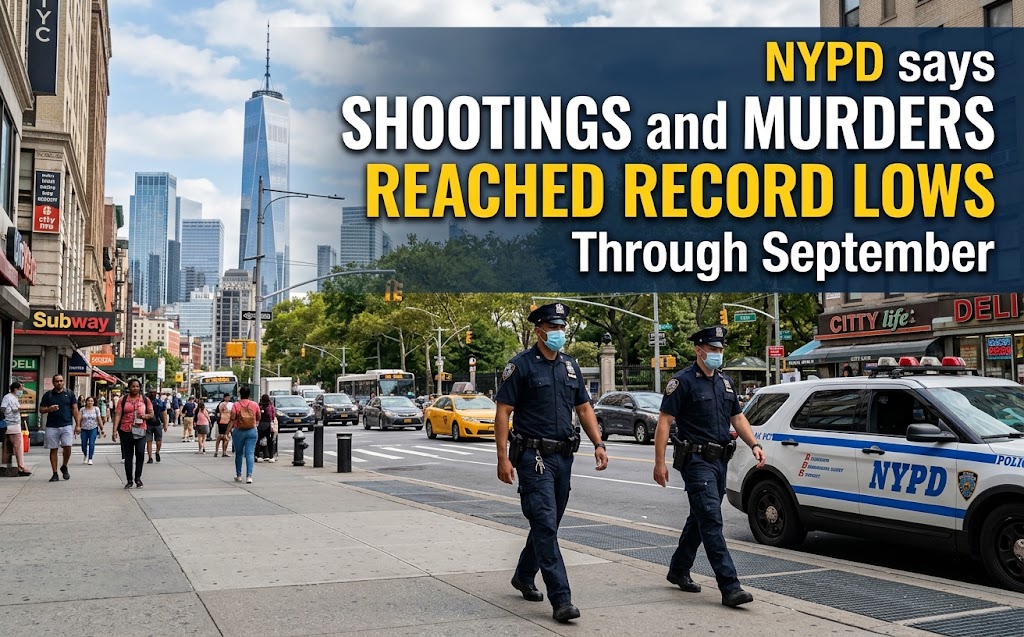
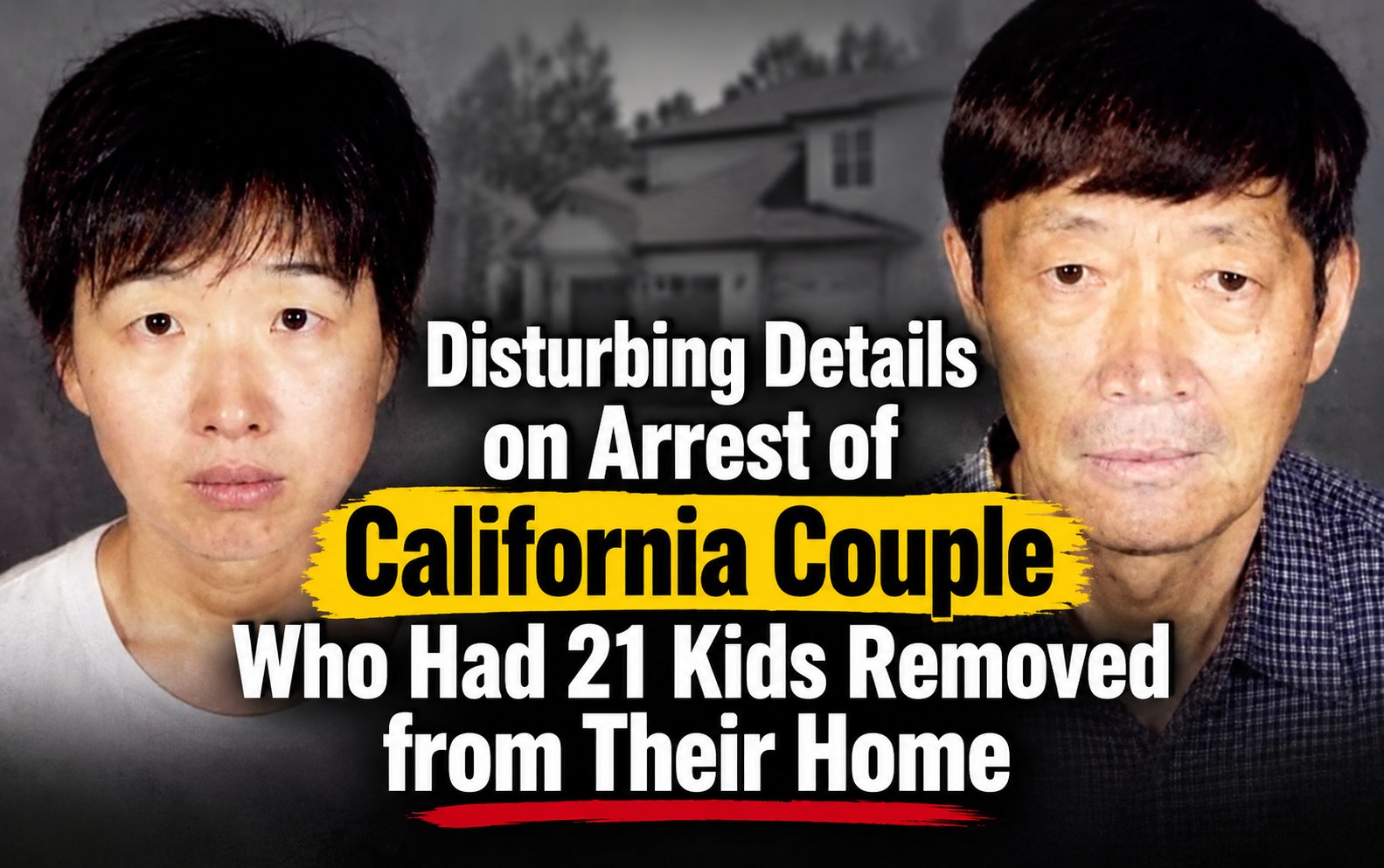
Black man arrested after allegedly attacking white man rather than: Black man arrested after allegedly attacking White man
The individual reporter may not have thought about the racial philosophy behind it for even five seconds. They’re following the stylebook. Journalism has an impressive ability to turn philosophical arguments about race into a copy editor’s keystroke.
And Then There is the Political Dimension
It would be inaccurate to pretend this decision has nothing to do with politics or ideology. The change happened during an extraordinarily political period in American racial discourse. Major news organizations explicitly framed the change around identity, historical experience, racism, representation and cultural recognition.
Interestingly, an analysis of 43 news outlets found that capitalization practices varied substantially by ideological orientation, with left-leaning outlets much more likely to capitalize black. (You don’t say!)
But if you’re asking whether there is some objective linguistic reason why Black deserves a capital letter while white doesn’t? No. There isn’t.
So the suspicion that there is an intentional editorial choice rather than a normal rule of capitalization is basically correct. The interesting question isn’t whether it’s intentional. It absolutely is. The debate is whether the rationale for treating the two words differently is convincing.



































Want to join the conversation?
Create an account or sign in to share your thoughts, vote,
and reply to other readers.
Showing 0 of 0 comments
Don't have an account?
Already have an account?