
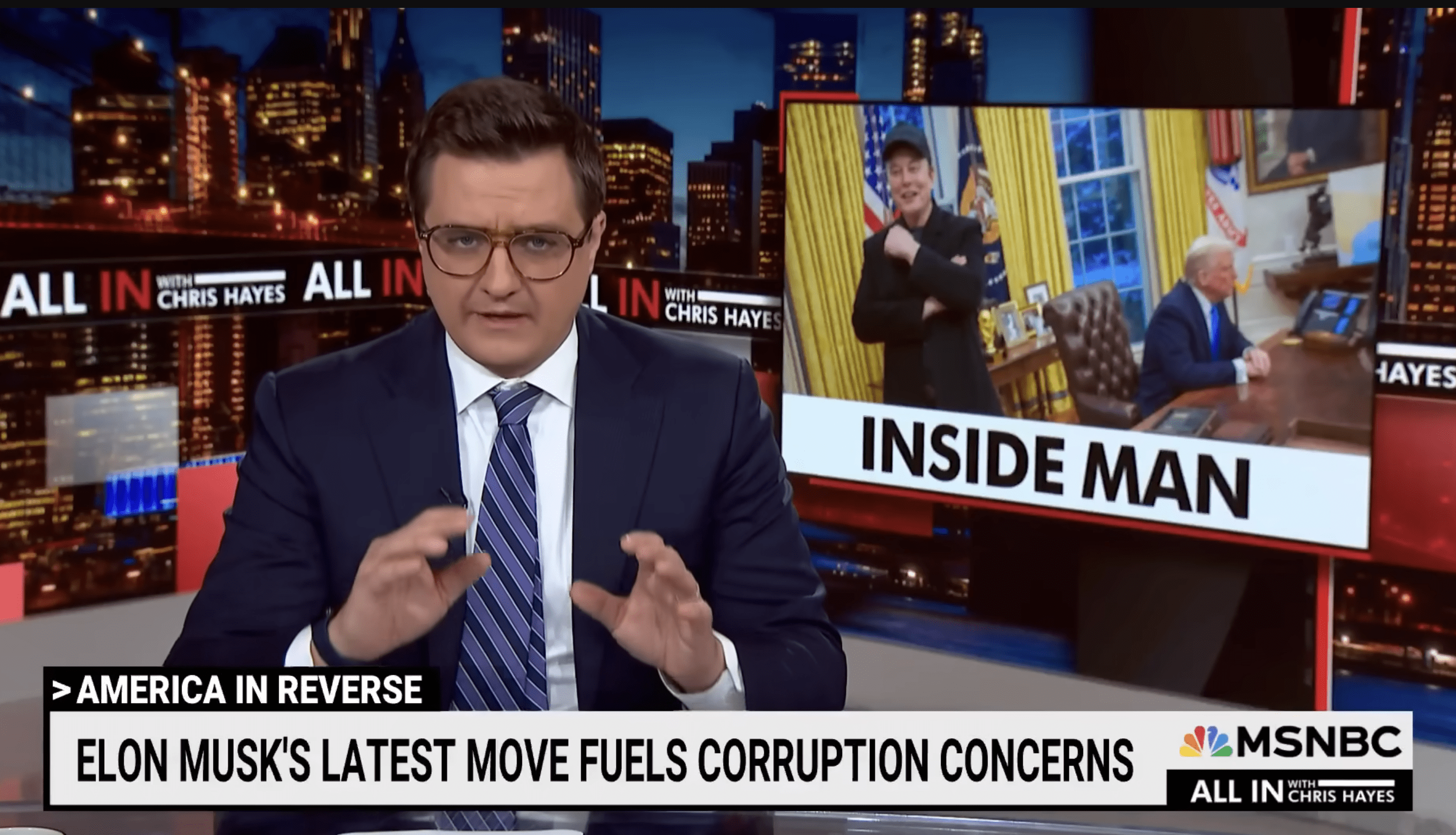
Elon Musk Gives Himself Billions More In Tax Payer Money While Cutting Programs That Help Other People
Elon Musk, the CEO of Tesla and SpaceX, has long been recognized for his innovative contributions to technology and space exploration. However, recent developments have cast a spotlight on his deepening involvement in U.S. politics and the subsequent benefits accruing to his enterprises, raising questions about potential conflicts of interest and the integrity of democratic processes.
Unprecedented Political Contributions
In the 2024 election cycle, Musk emerged as the largest individual political donor, contributing at least $277 million to support President Donald Trump and other Republican candidates. This substantial financial involvement has positioned Musk as a significant influencer in American politics, prompting debates about the role of wealth in electoral processes and policy-making.
Starlink’s Government Contracts
Following these political contributions, Musk’s satellite internet company, Starlink, secured notable government contracts. Commerce Secretary Howard Lutnick advocated for allocating a $42 billion rural broadband program to satellite providers, with Starlink poised to receive up to $20 billion in contracts under the revised program. This shift from traditional fiber-optic solutions to satellite technology has raised concerns about cost-effectiveness and potential favoritism, given Musk’s substantial political donations.
FAA Contract Controversy
Further intensifying scrutiny, the Federal Aviation Administration (FAA) canceled a $2.4 billion contract with a major telecommunications company, opting instead for Starlink to handle air traffic control communications. Critics argue that this decision exemplifies a conflict of interest, as Musk’s political contributions may have unduly influenced the awarding of federal contracts to his companies.
White House Installation Raises Eyebrows
The installation of Starlink’s internet service at the White House, purportedly to enhance Wi-Fi connectivity, has also sparked conflict of interest concerns. An incident involving a Musk employee accessing a federal building’s roof without prior coordination, triggering a security alert, underscores the potential risks of such entanglements. The administration maintains that the installation was a vetted “donation,” but critics, including Senator Elizabeth Warren, have called for investigations into Musk’s activities, citing potential criminal corruption.
Public Dissent and Awakening
These developments have not gone unnoticed by the public. Protests against Musk’s overreach have erupted nationwide, signaling a growing discontent with the cozy relationship between big business and government. The once-favorable view of Musk as a visionary entrepreneur is being overshadowed by concerns about corporate greed and political manipulation.
A Call for Vigilance
Elon Musk’s trajectory from tech innovator to political powerhouse exemplifies the audacious fusion of wealth and influence. His ability to sway policy, secure lucrative contracts, and embed his enterprises within the fabric of government operations challenges the very notion of fair play. It’s a stark reminder that in today’s America, the convergence of money and politics can lead to a concentration of power that threatens the foundations of democracy.
As citizens, it’s imperative to scrutinize these developments, demand transparency, and hold both our leaders and their benefactors accountable. The future of our republic depends on our vigilance against the encroachment of unchecked power and the preservation of a system that serves all, not just the privileged few.















































Want to join the conversation?
Create an account or sign in to share your thoughts, vote,
and reply to other readers.
Showing 0 of 0 comments
Don't have an account?
Already have an account?