Israel Election Results: Netanyahu Loses His Majority as Arab Voters Deliver Historic Political Shakeup
Israel’s national election has left Prime Minister Benjamin Netanyahu eight seats short of a parliamentary majority, while opposition leader Gadi Eisenkot faces his own difficult path to power. With Arab led parties winning a historic 19 seats, the country now faces weeks of coalition negotiations, a possible national unity government, or another election.
Israel’s national election has delivered a major political setback for Prime Minister Benjamin Netanyahu, whose right wing and religious coalition has lost its parliamentary majority, leaving the country’s political future uncertain and placing Arab political parties in a potentially decisive position in determining who leads the next government.
The completed vote count from Tuesday’s election shows Netanyahu’s political alliance winning 53 seats in the 120 member Knesset, Israel’s parliament, eight short of the 61 needed for a majority. The principal opposition alliance, led by former Israeli military chief Gadi Eisenkot, secured 48 seats, while the predominantly Arab Joint List and Ra’am parties won a combined 19 seats, their strongest collective performance in Israeli parliamentary history.
The results represent a significant reversal for Netanyahu, whose outgoing parliamentary alliance held 68 seats. His political camp is now positioned to lose 15 seats, despite his Likud party remaining the largest individual political party in Israel. The election also produced an extraordinary surge in Arab political representation, with the Joint List and Ra’am increasing their combined strength from 10 seats in the outgoing Knesset to 19, reflecting increased Arab voter participation and opposition to Netanyahu’s governing alliance.
With neither major bloc commanding a majority, Israel now faces a potentially prolonged coalition-building process that could determine the future of its military operations, policies toward Palestinians, judicial system, and relationship with the United States. Although Netanyahu remains prime minister during the transition, the election has exposed the limits of his political support. The parties outside his alliance collectively control 67 parliamentary seats, but their ideological differences could prevent them from forming an alternative government.
The central question is no longer simply which political party won the election. It is whether any Israeli political leader can assemble a stable coalition capable of governing a country deeply divided over national security, religion, democracy, and the future of the Israeli Palestinian conflict.
The Election Results: Netanyahu’s Coalition Falls Eight Seats Short
The completed count confirmed that Netanyahu’s Likud party remains Israel’s largest political party, winning 27 seats. Eisenkot’s Yashar party finished second with 21 seats, followed by former Prime Minister Naftali Bennett’s B’Yachad party with 12 seats. The Joint List secured 11 seats, while Ra’am and the Democrats each won eight, leaving the remaining parliamentary seats divided among smaller religious, nationalist, and opposition parties.
Israel’s Central Elections Committee reported voter turnout of 77.9%, with approximately 5.7 million ballots cast. The unusually high participation helped reshape the parliamentary balance, particularly among Arab led parties. The completed count was published ahead of the scheduled formal submission of results to President Isaac Herzog on November 4, with election-integrity checks and verification procedures still part of the official process.
| Political party |
Seats |
| Netanyahu’s right-wing and religious bloc |
53 |
| Likud — Benjamin Netanyahu |
27 |
| United Torah Judaism |
7 |
| Otzma Yehudit — Itamar Ben-Gvir |
7 |
| Shas |
6 |
| Religious Zionism — Bezalel Smotrich |
6 |
| Eisenkot’s opposition bloc |
48 |
| Yashar — Gadi Eisenkot |
21 |
| B’Yachad — Naftali Bennett |
12 |
| The Democrats — Yair Golan |
8 |
| Yisrael Beiteinu — Avigdor Lieberman |
7 |
| Arab led political parties |
19 |
| Joint List — Yousef Jabareen |
11 |
| Ra’am — Mansour Abbas |
8 |
| Total parliamentary seats |
120 |
The results illustrate how Israel’s fragmented political system can produce a parliamentary stalemate even when one political party finishes comfortably ahead of its competitors. Netanyahu’s 53 seat alliance is larger than Eisenkot’s 48 seat opposition grouping, but neither has enough lawmakers to govern independently. Meanwhile, the 19 seats won by Arab led parties could theoretically provide the opposition with a 67 seat majority, provided the parties involved are willing to cooperate.
That qualification is critical because the opposition is not a unified political movement, and several of its leading members have rejected cooperation with Arab parties. Consequently, the 67 seats outside Netanyahu’s coalition represent a potential parliamentary majority rather than an agreed government, making the outcome of coalition negotiations considerably more complicated than the election’s numerical results might suggest.
Arab Voters Deliver a Historic Result and Become Potential Political Kingmakers
One of the most consequential developments in the election was the dramatic increase in support for Israel’s Arab led political parties, which nearly doubled their parliamentary representation. The Joint List, led by Yousef Jabareen, secured 11 seats, while Ra’am, led by Mansour Abbas, won eight. Together, the parties captured 19 seats, surpassing the previous high of 15 achieved by Arab led parties in 2020 and establishing a new record for their collective representation in the Knesset.
Arab citizens account for approximately one fifth of Israel’s population, yet their political influence has often been limited by lower voter participation, disagreements among Arab parties, and the reluctance of major Jewish led political parties to include them in governing coalitions. This election demonstrated how increased participation can change the national political balance, with Arab voters mobilizing in significant numbers as many sought to remove Netanyahu and his far right coalition partners from power.
Their success has created an extraordinary political dilemma for Israel’s opposition. If Eisenkot’s 48 seat alliance could secure the backing of all 19 Arab lawmakers, the combined group would hold 67 seats, comfortably exceeding the parliamentary majority threshold. However, former Prime Minister Naftali Bennett and nationalist politician Avigdor Lieberman have opposed political arrangements dependent on Arab led parties. Eisenkot himself has expressed reservations about such cooperation, creating uncertainty about whether the mathematical majority can become a functioning government.
Ra’am has previously participated in Israeli coalition politics, joining the Bennett led government formed in 2021. That precedent demonstrates that cooperation between Jewish led and Arab led political parties is possible, although the current negotiations involve different political circumstances and a much larger Arab parliamentary presence. The Joint List presents additional challenges because of its positions on Palestinian national rights, Israel’s occupation of Palestinian territories, and the country’s broader national identity.
For the opposition, the dilemma is particularly significant: the votes necessary to remove Netanyahu may come from political parties that some prospective coalition members have promised not to depend upon. The result has placed Arab political representation at the center of Israeli national politics, even as disagreements over the legitimacy of Arab participation in governing coalitions continue to divide the country’s political establishment.
Netanyahu Remains Prime Minister, but His Political Position Has Weakened
Netanyahu’s failure to secure a parliamentary majority does not mean he has immediately lost the prime minister’s office. Under Israel’s parliamentary system, the outgoing government continues serving until a new government is formed and sworn in. Netanyahu therefore remains in office during coalition negotiations, retaining substantial authority over national security, foreign affairs, and government administration, subject to the legal constraints applicable to an outgoing government.
His immediate political challenge is finding at least eight additional lawmakers willing to support another Netanyahu led government. One possibility would be persuading an opposition party to join his coalition, while another would involve negotiating support from individual lawmakers. However, Israel’s parliamentary rules discourage certain forms of party defection, and the opposition includes leaders who have built their political identities around replacing Netanyahu. His extensive experience negotiating coalition agreements remains an advantage, but the current political landscape offers few obvious opportunities to expand his governing alliance.
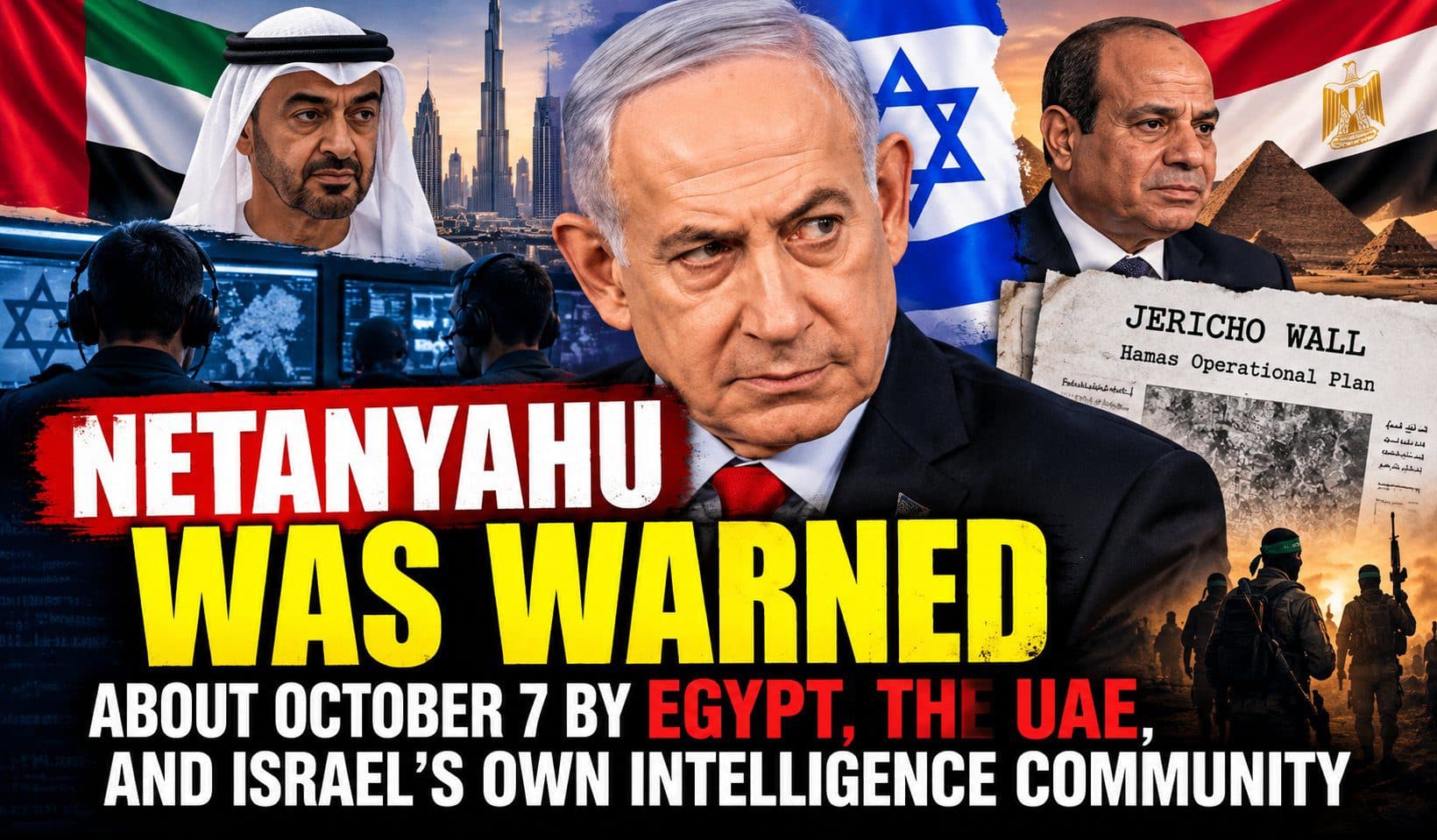
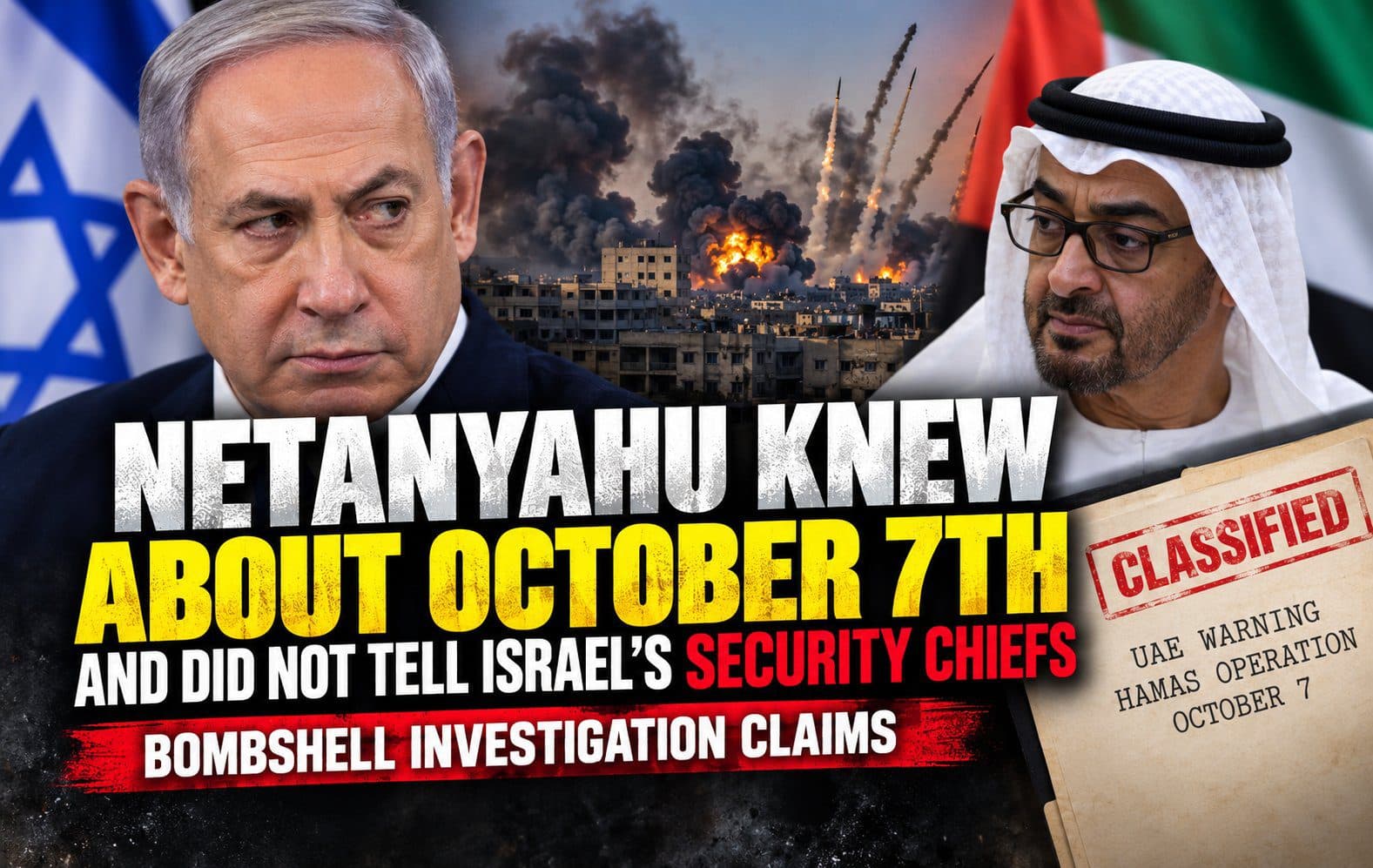
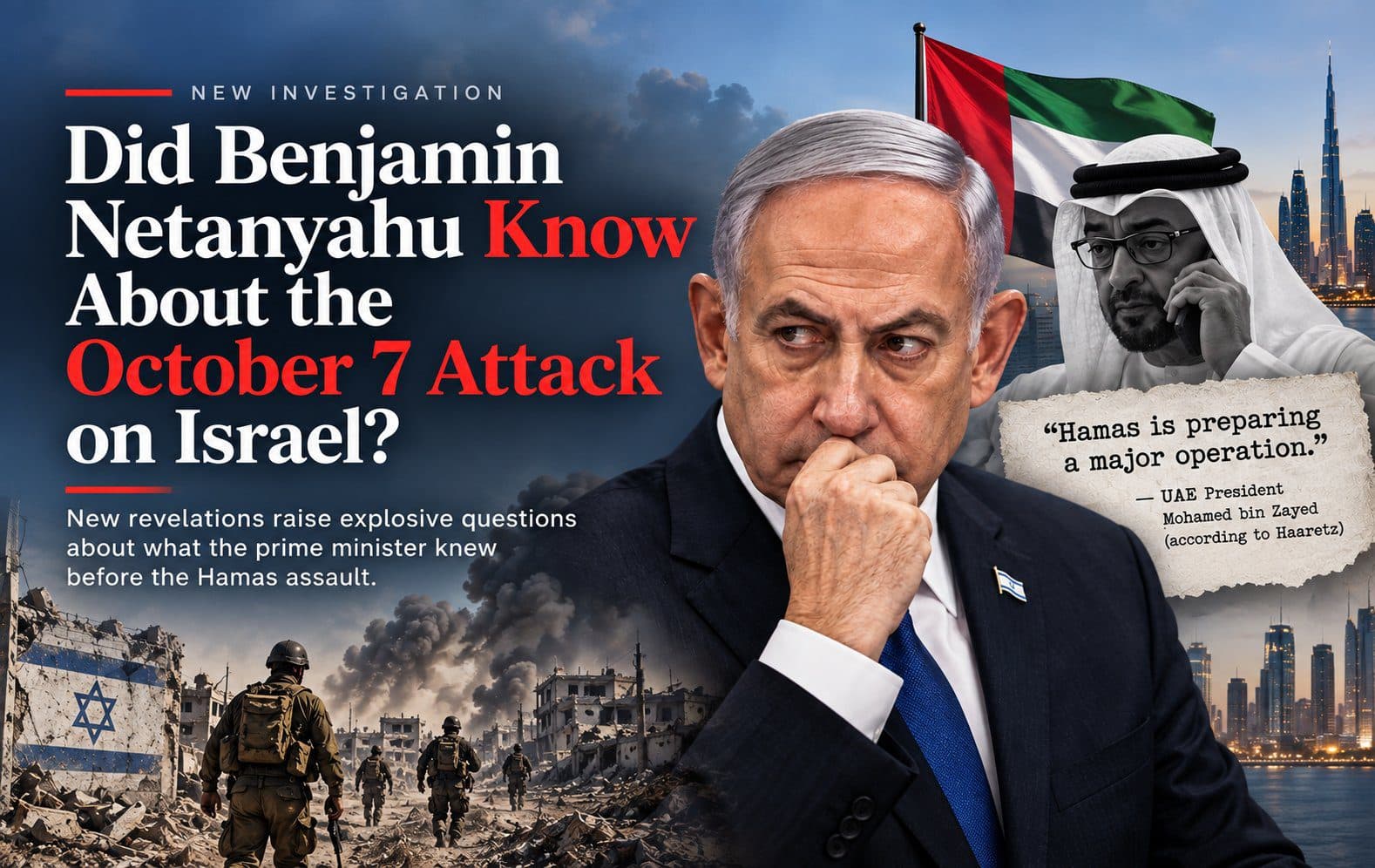
Netanyahu’s continuing criminal trial further complicates those negotiations. He has faced charges of bribery, fraud, and breach of trust in longstanding corruption proceedings, allegations he denies. His legal troubles have become a major dividing line in Israeli politics, with opponents arguing that he should no longer lead the country and supporters maintaining that the prosecution is politically motivated. The election also follows years of public anger over Netanyahu’s judicial overhaul efforts, controversies involving military service exemptions for ultra-Orthodox men, and demands for an independent investigation into the security failures preceding Hamas’s October 7, 2023, attack.
Although Netanyahu campaigned on Israel’s military achievements and his national security credentials, the results indicate that those arguments were insufficient to preserve his previous parliamentary majority. Nevertheless, the election should not be interpreted as the end of his political career. His alliance remains larger than Eisenkot’s established bloc, and the opposition’s internal disagreements could ultimately give Netanyahu another opportunity to remain in power.
How Israel’s Parliamentary System Works and Why the Largest Party Does Not Automatically Govern
Israel’s electoral system operates differently from the American presidential system. Rather than electing a president or prime minister directly, Israeli voters choose national political party lists, and parliamentary seats are distributed according to the parties’ shares of the vote. The country uses nationwide proportional representation, with parties required to receive at least 3.25% of valid votes to qualify for parliamentary seats.
This arrangement allows numerous political movements to compete for representation, including secular, religious, nationalist, centrist, left wing, and Arab political parties. It also makes coalition governments a central feature of Israeli politics because no single party typically wins enough seats to govern independently. Following an election, Israel’s president consults representatives of the parties elected to the Knesset and determines which lawmaker has the strongest prospect of forming a government.
The president is not required to select the leader of the largest party. Instead, the decision is based on the likelihood that a candidate can assemble sufficient parliamentary support. That distinction is particularly important in the current election because Netanyahu’s Likud won 27 seats, more than any other individual party, but his established alliance controls only 53. Eisenkot’s Yashar party won fewer seats individually, yet he could theoretically build a broader coalition if other parties agree to support him.
The eventual government must obtain the Knesset’s confidence, making parliamentary negotiations, coalition agreements, and the willingness of parties to cooperate more important than the ranking of individual parties alone. In practical terms, Netanyahu could finish first and still lose power, while Eisenkot could finish second and become prime minister if he succeeds in assembling a governing majority.
What Happens Next: President Herzog Must Decide Who Gets the First Opportunity to Form a Government
Israel’s Central Elections Committee has completed the vote count, but the results remain subject to formal verification procedures. The official results are scheduled to be presented to President Isaac Herzog on November 4, with the newly elected Knesset expected to convene on November 10. Once the results are formally processed, Herzog will consult the elected parliamentary factions and ask their representatives whom they recommend to lead the next government.
The president then assigns the task of forming a government to the lawmaker considered most likely to succeed. That candidate initially receives 28 days to negotiate coalition agreements, with the possibility of extensions totaling 14 additional days. If the first candidate fails, the president can assign a second candidate a 28 day mandate or determine that no other candidate has a realistic prospect of forming a government.
If those efforts do not produce a government, a subsequent 21 day parliamentary nomination period can allow at least 61 lawmakers to request that another Knesset member receive the mandate. A candidate selected through that procedure receives 14 days to attempt to form a government. Should the available procedures fail, the Knesset is deemed dissolved and another national election must be held within 90 days.
The process can extend over several months, depending on the number of mandates issued and whether extensions are granted. During that period, Netanyahu’s outgoing government remains responsible for administering the country, meaning coalition negotiations could continue well into the coming months while Israel’s domestic and international partners remain uncertain about who will ultimately lead the next government.
The election has created four broad political possibilities, each carrying substantial obstacles and potentially far reaching consequences for Israel’s future.
The first possibility is an Eisenkot led government supported by Arab lawmakers. Such an arrangement could combine the opposition’s 48 seats with some or all of the 19 seats held by the Joint List and Ra’am. Although the combined 67 seats would be sufficient for a parliamentary majority, the coalition would require major compromises among politicians who disagree on Palestinian rights, Israeli national security, and the participation of Arab parties in government. A minority government relying on outside support is another theoretical possibility, but its stability would depend on the behavior of parties that have not committed to such an arrangement.
The second possibility is that Netanyahu persuades enough opposition lawmakers to support another government. His existing alliance requires eight additional seats, making an agreement with an established opposition party potentially more practical than recruiting individual defectors. However, the opposition’s stated desire to remove Netanyahu, along with his continuing criminal proceedings and disagreements over government policy, would complicate negotiations. A deal could also require Netanyahu to abandon some of his current far-right coalition partners.
The third possibility is a national unity government involving Likud and major opposition parties. Such a coalition could produce a substantial parliamentary majority and potentially reduce the influence of smaller ideological factions. A unity arrangement might also involve a leadership rotation or compromises over ministerial appointments. Nevertheless, profound disagreements concerning judicial independence, the Gaza war, military conscription, and accountability for October 7 would make negotiations difficult.
The fourth possibility is another national election. If no candidate can assemble a government, Israel could return to the polls in early 2027. Such an outcome would extend the political uncertainty, force parties to finance and organize another campaign, and leave Netanyahu’s outgoing administration in office until a successor government is formed. Although all four scenarios remain possible, Netanyahu’s experience and the opposition’s divisions mean that his political survival cannot be ruled out simply because his bloc failed to win a majority.
Netanyahu’s Party Alleges Election Interference, but Officials Reject Claims of Widespread Fraud
The coalition crisis has also been complicated by allegations from Netanyahu’s Likud party that the election was compromised by improper foreign involvement and voting irregularities. According to reporting by Reuters and the Associated Press, Likud figures claimed the election had been stolen and raised allegations involving foreign interference, including suspicions concerning Qatar. Those accusations emerged as the vote count confirmed a substantial increase in Arab political representation, with Netanyahu and his allies directing particular scrutiny toward Arab-led parties.
However, Israeli election officials rejected claims of widespread electoral fraud, and no substantiated finding has established that systematic fraud altered the reported parliamentary results. Israel’s domestic security agency, the Shin Bet, acknowledged inquiries into suspected irregularities while emphasizing that investigations concerned specific allegations and individuals rather than Arab voters as a community. Qatar also denied allegations of interference in the election.
Opposition politicians accused Netanyahu’s allies of attempting to undermine confidence in the election and delegitimize Arab political participation. The controversy has introduced another source of tension into an already polarized political environment, raising concerns about whether political leaders will accept an electoral outcome that leaves them without the majority they sought. Although authorities may investigate specific allegations, those inquiries do not establish that the election was stolen, and the results remain subject to the established verification and certification process.
Israel’s Political Deadlock Has Happened Before, but the Stakes Are Now Even Higher
Israel has experienced repeated parliamentary crises during Netanyahu’s long political career. Between April 2019 and November 2022, the country held five national elections as rival political factions struggled to assemble stable governments. Those elections demonstrated that the central division in Israeli politics was not always a conventional dispute between left wing and right wing parties. Increasingly, the defining issue became whether political leaders were willing to serve under Netanyahu.
In 2021, an unusual coalition led initially by Naftali Bennett succeeded in removing Netanyahu from power. That government included right-wing, centrist, left-wing, and Arab political representatives, with Ra’am becoming the first independent Arab party to join an Israeli governing coalition. The arrangement was historically significant because it demonstrated that parties with sharply different political priorities could cooperate around a shared objective. However, those differences ultimately contributed to the government’s collapse, paving the way for Netanyahu’s return after the November 2022 election.
The current election has recreated many of those political divisions, but against a far more volatile regional backdrop. Israel is still dealing with the political, humanitarian, and security consequences of the October 7 Hamas attack and the subsequent war in Gaza. The country has also experienced escalating confrontations involving Iran and its regional allies, while domestic disagreements over judicial independence, military conscription, and the treatment of Palestinians remain unresolved.
Any incoming government will inherit those disputes, regardless of whether Netanyahu, Eisenkot, or another leader ultimately becomes prime minister. The challenge will not simply be winning a parliamentary confidence vote but maintaining a governing majority while making decisions on issues that have divided Israeli society for years.
What the Election Means for Gaza, the West Bank, and Palestinian Rights
The outcome of Israel’s coalition negotiations could significantly influence government policy toward Palestinians in Gaza and the occupied West Bank, particularly if Netanyahu’s far right coalition partners lose their positions in government. His outgoing alliance includes Itamar Ben-Gvir and Bezalel Smotrich, two influential politicians who have advocated expanded Israeli control over Palestinian territories and whose positions have generated substantial international controversy. Smotrich has supported annexation of the occupied West Bank and continued settlement expansion, while Ben-Gvir has advocated aggressive security measures and proposals involving the removal of Palestinians from Gaza. Their influence has shaped Netanyahu’s government during a period of intense scrutiny over civilian casualties, humanitarian conditions, settlement policy, and Israel’s conduct of military operations.
A government led by Eisenkot would not automatically represent a dramatic shift toward Palestinian statehood or a negotiated peace agreement. Eisenkot is a former chief of staff of the Israel Defense Forces, and several of his prospective coalition partners hold hawkish positions on national security. Nevertheless, replacing Netanyahu’s far-right coalition partners could alter the political calculations surrounding settlement expansion, Gaza’s postwar administration, humanitarian access, and diplomatic negotiations. The increased parliamentary representation of Arab-led parties could also place greater attention on discrimination affecting Palestinian citizens of Israel, civil rights, and the treatment of Palestinians in occupied territory.
Whether those parties can translate their electoral gains into meaningful policy influence will depend on the coalition arrangements that emerge, making the election consequential for far more than the distribution of cabinet positions. The composition of Israel’s next government could influence not only its domestic political direction but also the prospects for diplomacy, humanitarian relief, and the future of Israeli Palestinian relations.
What Netanyahu’s Election Setback Means for Donald Trump and U.S. Foreign Policy
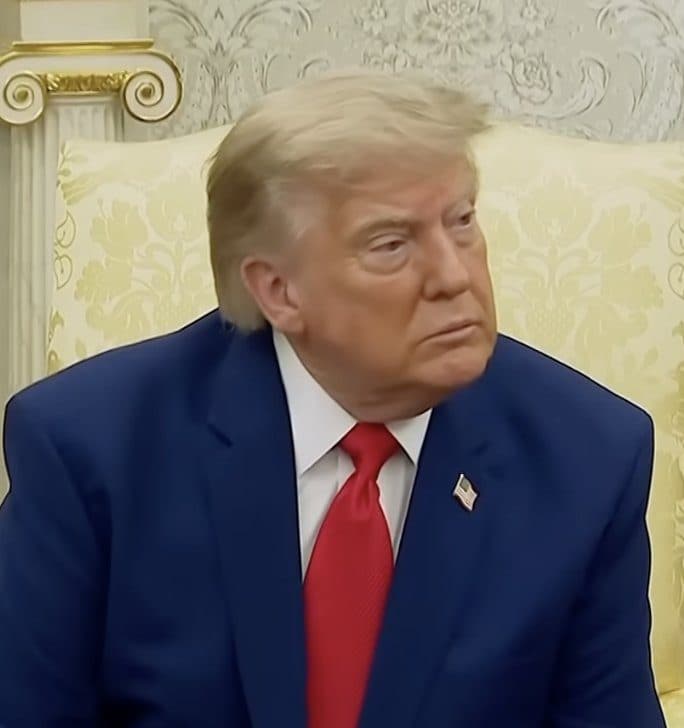
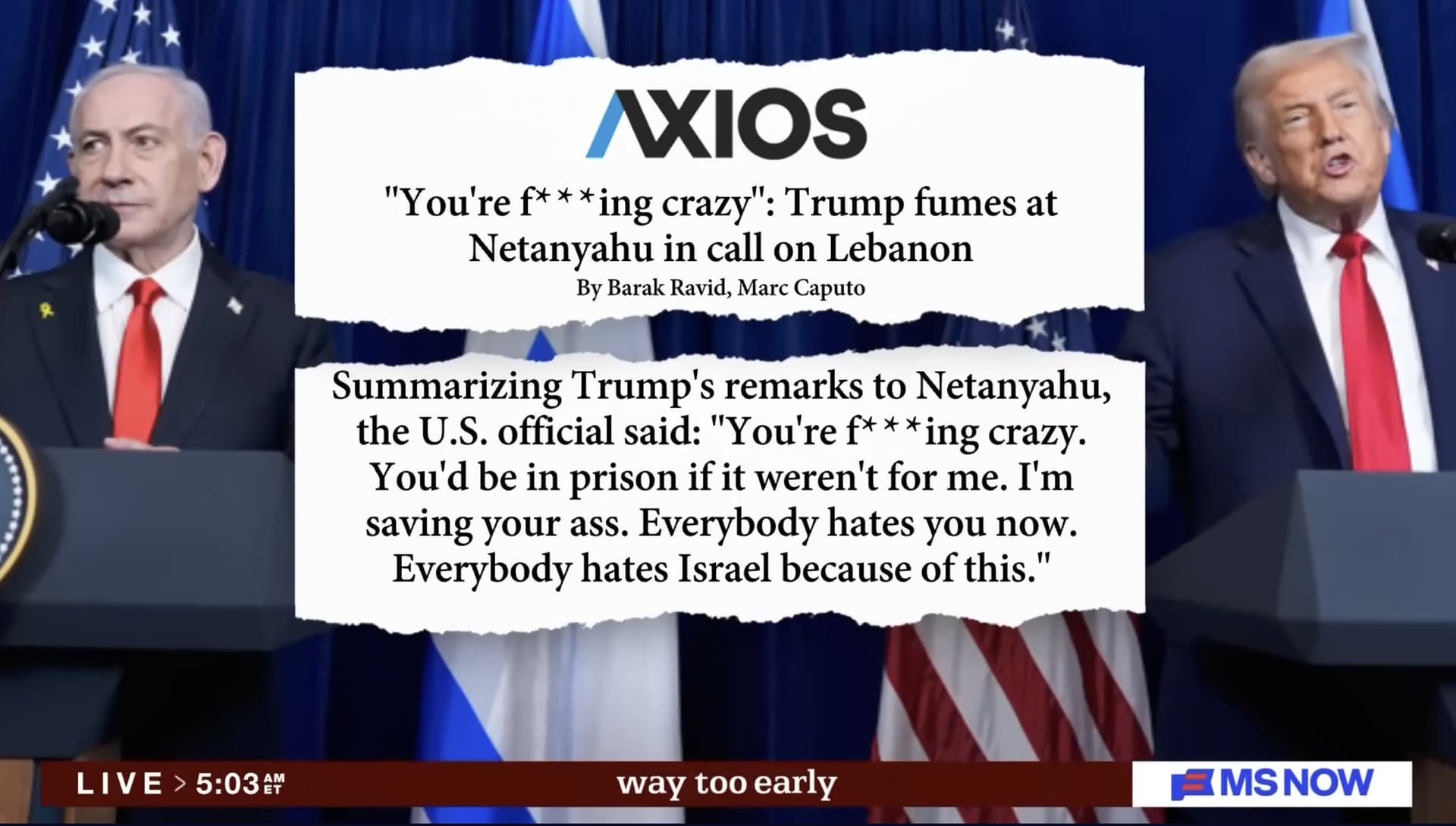
For President Donald Trump and the United States, Israel’s inconclusive election introduces uncertainty into one of Washington’s most important strategic relationships. The United States provides Israel with extensive military assistance, weapons, missile-defense cooperation, and diplomatic support, while the two countries coordinate closely on intelligence and regional security issues involving Iran, Gaza, and armed groups operating across the Middle East. Trump has maintained a close political relationship with Netanyahu, but the election demonstrates that American presidential support does not necessarily translate into sufficient parliamentary backing within Israel. The results could complicate negotiations over major diplomatic or military initiatives, particularly those requiring commitments from a government whose future leadership remains uncertain.
Netanyahu’s outgoing administration retains substantial authority to conduct foreign affairs and national security policy, subject to applicable legal constraints during the transition. The election does not automatically prevent Israel from undertaking military operations or participating in international negotiations, but uncertainty surrounding the next government could affect the durability of long term agreements, particularly if opposition leaders intend to reverse important decisions. An Eisenkot led government might introduce different political priorities without fundamentally changing Israel’s close security relationship with Washington.
The Trump administration must therefore maintain relations with Netanyahu’s existing government while preparing for the possibility of a leadership change, all against the backdrop of continuing regional tensions involving Iran, Gaza, and Israel’s relationships with neighboring Arab governments. Although the United States has historically maintained close security ties with Israeli governments across the political spectrum, a change in leadership could alter the diplomatic approach to negotiations, regional security arrangements, and the future governance of Palestinian territories.
Can the Opposition’s 67 Seats Limit Netanyahu’s Power Before a New Government Takes Office?
One of the most important political consequences of the election is that parties outside Netanyahu’s alliance collectively control 67 seats, giving them a potential parliamentary majority even before a replacement government is established. If those lawmakers coordinate, they could influence parliamentary committees, legislative priorities, oversight proceedings, and other Knesset business after the new parliament convenes. Potential areas of cooperation include demands for an independent investigation into the October 7 security failures, scrutiny of government decisions, and proposed changes involving judicial authority or military service exemptions for ultra Orthodox men. Such initiatives could place additional pressure on Netanyahu while coalition negotiations continue, although their success would depend on obtaining sufficient support for each individual proposal.
That numerical advantage should not be confused with automatic legislative control. The opposition’s 67 seats are distributed among parties with conflicting positions on religion, national security, Palestinian rights, and constitutional reform, meaning a lawmaker willing to oppose Netanyahu on one issue may refuse to cooperate with Arab-led or left-wing parties on another. Netanyahu’s outgoing government also retains its legal authority until a successor is sworn in, and individual parliamentary initiatives must comply with Israel’s legislative procedures.
The result is an unusual political arrangement in which Netanyahu remains prime minister while a potential majority of lawmakers belongs to parties outside his governing alliance, creating opportunities for parliamentary challenges without guaranteeing that those challenges will succeed. Whether the opposition can turn its numerical advantage into meaningful political power will depend on its ability to cooperate across ideological divisions that have repeatedly undermined previous attempts to replace Netanyahu.
The Bottom Line: Netanyahu Lost His Majority, but Israel Still Has No Clear Successor
Israel’s 2026 election has produced a significant change in the parliamentary balance without delivering a clear answer about who will govern. Netanyahu’s alliance has fallen from 68 seats in the outgoing Knesset to 53, depriving him of the majority that previously supported his government. Yet Likud remains the country’s largest political party, and Netanyahu retains considerable political experience and the institutional advantages of incumbency. Eisenkot has emerged as the leading challenger, but his 48 seat alliance faces its own coalition problem. Without support from additional lawmakers, potentially including the country’s Arab led political parties, he cannot establish a majority government. The election has therefore weakened Netanyahu without establishing that his opponents possess a workable alternative.
The election’s most dramatic development may ultimately be the rise of Arab political representation. With 19 seats, the Joint List and Ra’am have demonstrated that increased Arab voter participation can significantly alter Israel’s parliamentary balance. Whether their electoral strength translates into participation in government, outside parliamentary influence, or continued political exclusion remains unresolved. For Netanyahu, the coming weeks will test his ability to negotiate another political survival; for Eisenkot, they will determine whether an ideologically divided opposition can unite around a viable alternative; and for Israel’s Arab political leaders, they present an opportunity to convert unprecedented parliamentary representation into meaningful political influence.
For the Israeli public, the results raise the possibility of another prolonged period of uncertainty at a time when the country faces extraordinary domestic and international challenges. Netanyahu has not been removed from office, and Eisenkot has not won the right to govern. What the election has established is that neither leader currently commands a parliamentary majority, leaving the country’s political future dependent on negotiations among parties with sharply conflicting priorities. The next Israeli government will be determined not simply by which party finished first on election night, but by which leader can assemble sufficient support to win the Knesset’s confidence. Until that happens, Israel remains governed by an incumbent prime minister whose coalition has lost its majority, while an opposition that collectively holds more seats struggles to determine whether it can actually govern.
Sources & Further Reading

Election results and political reporting
Israeli election law and constitutional procedures
Related Coverage









Loading comments…