The Alleged Intelligence Operation That Exposed Kushner’s Phone
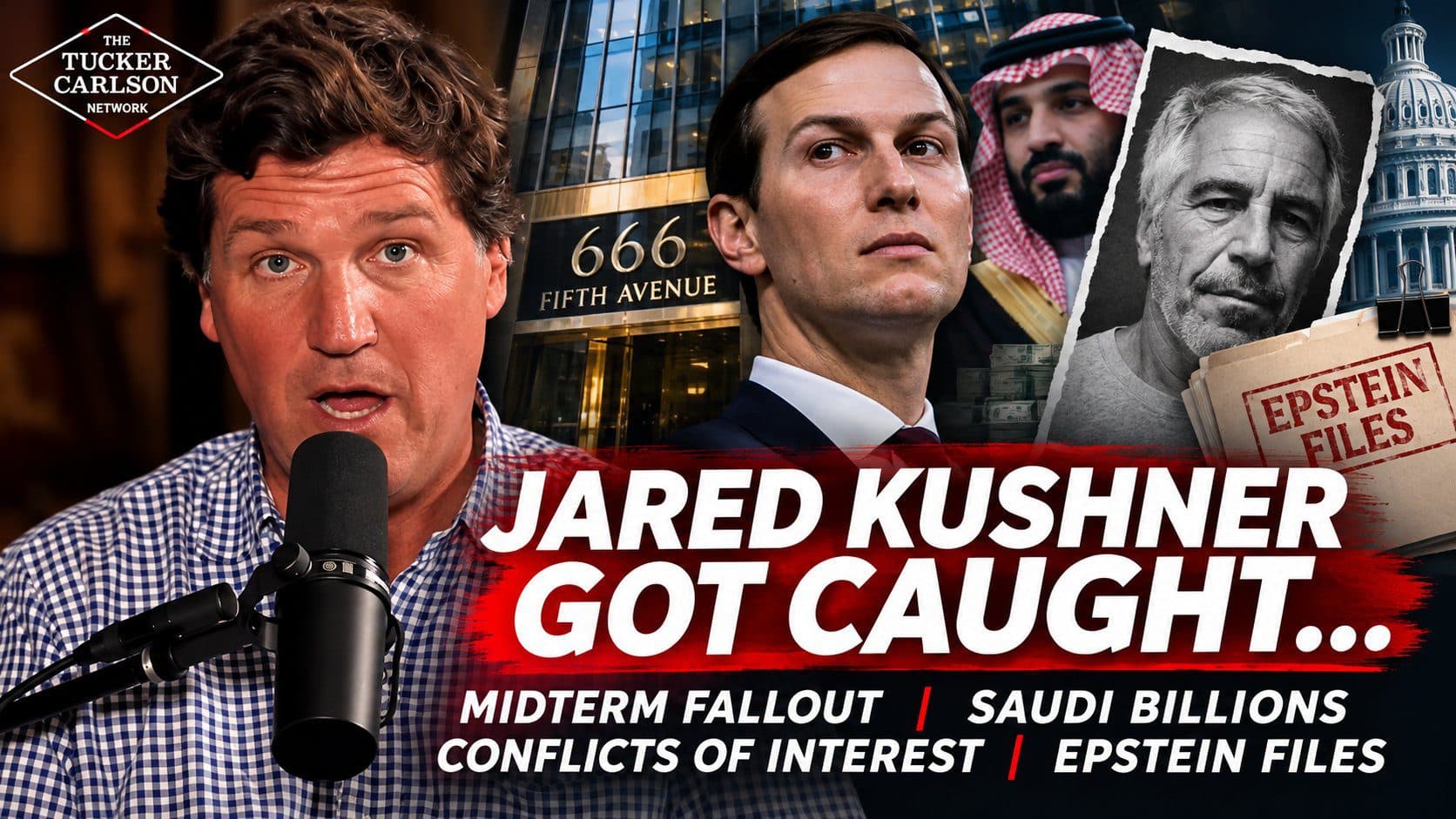
The central revelation in Cole’s account begins with an alleged intelligence operation involving the Netherlands Defence Intelligence and Security Service, known as MIVD. According to the book, Dutch intelligence officers obtained access to information from a Russian military intelligence hacker who had compromised Kushner’s iPhone in 2017. Investigators reportedly discovered screenshots from the device on a Russian intelligence server and subsequently developed the ability to monitor activity on Kushner’s phone, including images of his screen as he accessed financial information.
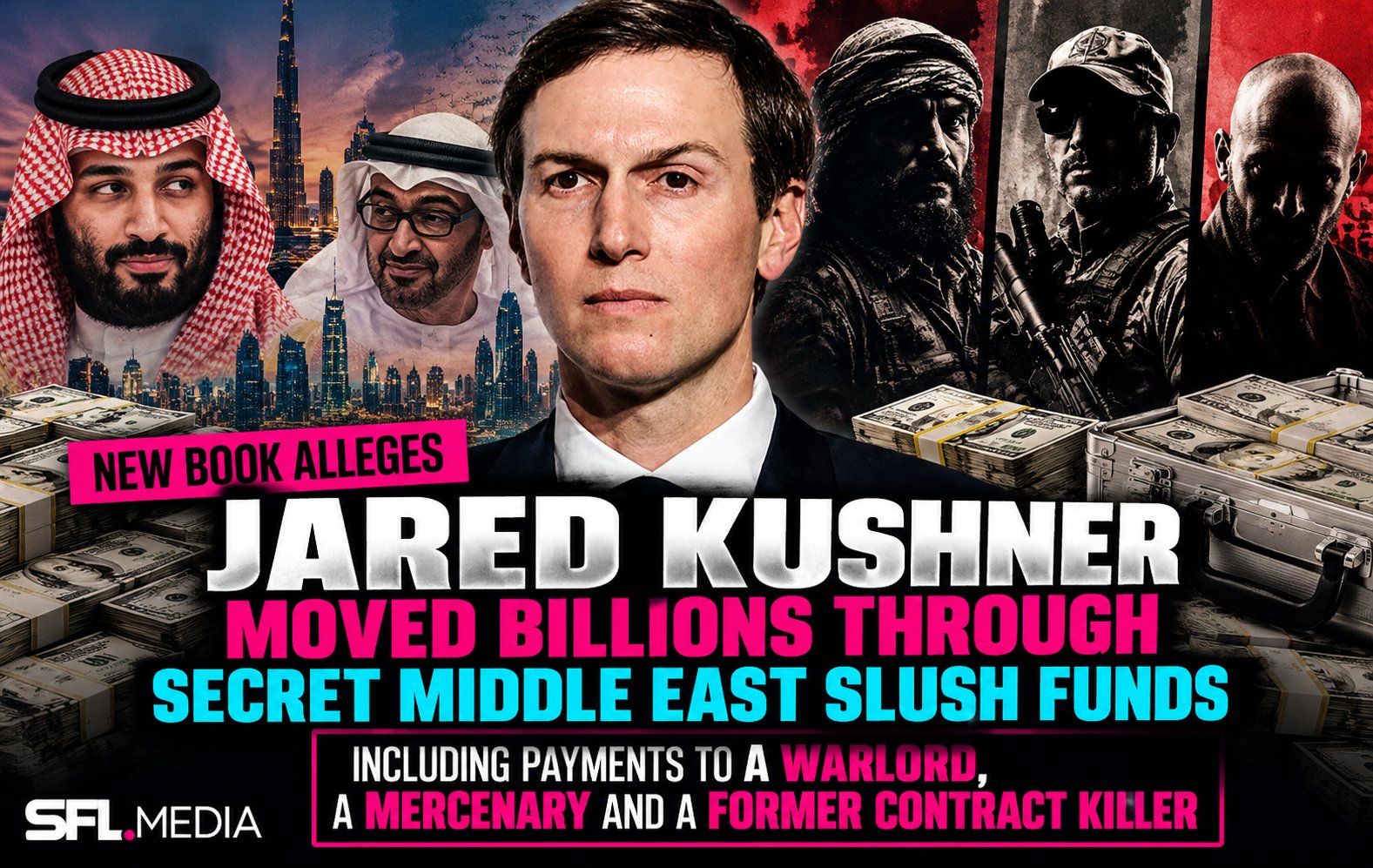
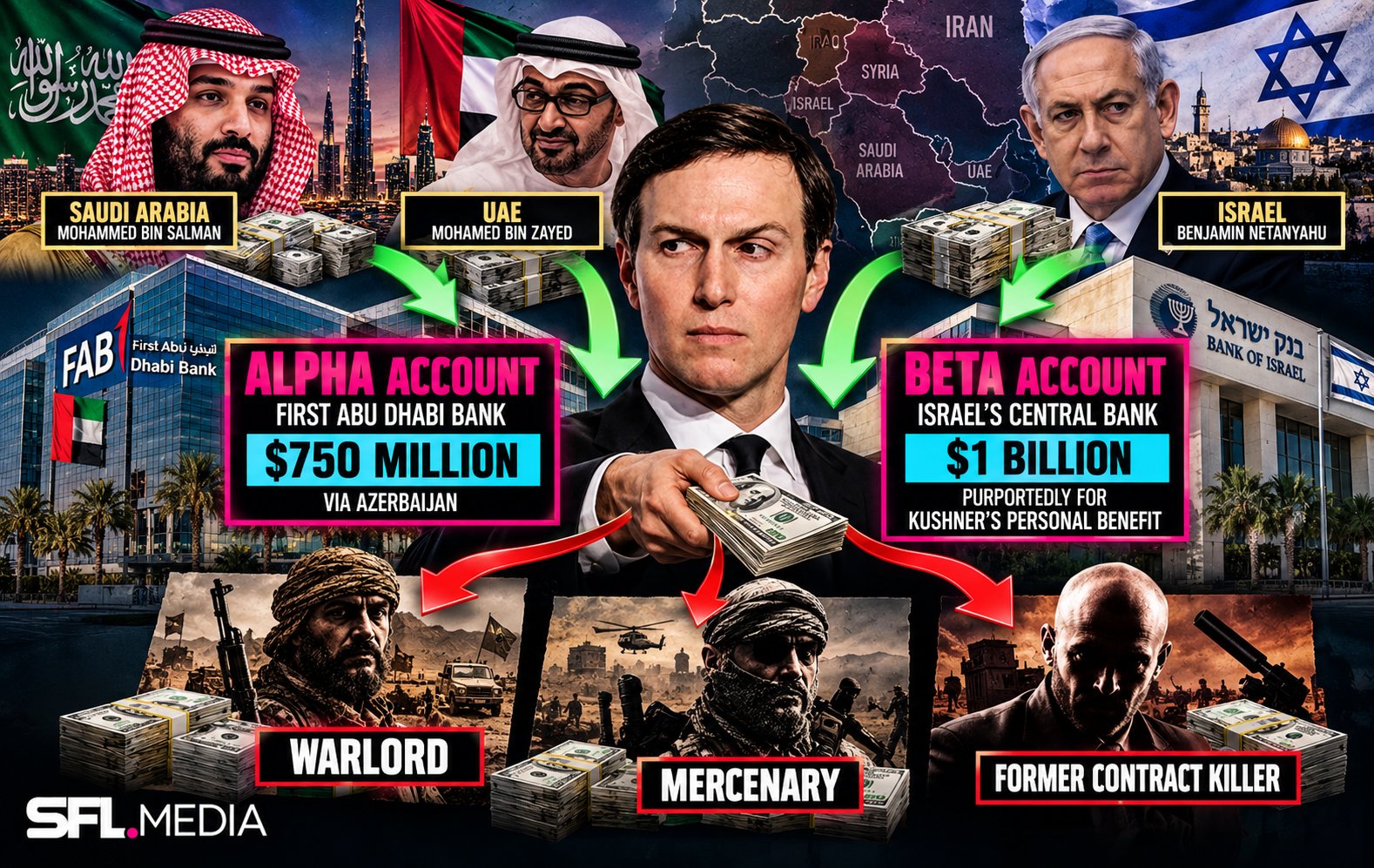
By early 2018, according to the account, Dutch intelligence specialists were allegedly observing Kushner access an account at First Abu Dhabi Bank, one of the United Arab Emirates’ largest financial institutions. The account was reportedly associated with Watani Al Emarat Foundation, a UAE government backed organization, and had allegedly received approximately $750 million through a bank in Azerbaijan. Cole’s reporting claims Kushner was an authorized signatory on the account rather than its owner, a distinction that would be important in determining the nature of any financial relationship or potential legal exposure.
The alleged surveillance occurred during a particularly sensitive period in American diplomacy. Kushner was working closely with Saudi Crown Prince Mohammed bin Salman and UAE leader Mohamed bin Zayed while the Trump administration pursued a regional strategy focused on confronting Iran, strengthening relationships with Gulf monarchies and negotiating a proposed Israeli Palestinian peace agreement. The book suggests that the purported financial arrangements were connected to diplomatic initiatives conducted outside conventional State Department channels.
If intelligence officers actually documented a senior White House adviser accessing undisclosed foreign funded accounts, the discovery could raise questions about financial disclosure obligations, governmental authorization and potential conflicts of interest. However, the public has not been presented with authenticated intelligence intercepts, complete banking records or independently verified transaction histories establishing that the alleged operation uncovered the accounts described. The surveillance narrative remains a contested allegation, not a confirmed intelligence finding available for public examination.
The Alleged Alpha and Beta Accounts: A Secret Financial Network?
Cole’s reporting describes a purported financial structure involving accounts identified as Alpha and Beta, along with additional arrangements allegedly supported by Gulf state leaders. According to the published account, the funds were intended to support foreign policy objectives, diplomatic intermediaries and operations that could function outside established American government oversight. The allegations involve financial institutions in the UAE, Azerbaijan and Israel, with some transactions reportedly extending through Cyprus.
The alleged Alpha account was reportedly connected to First Abu Dhabi Bank and the UAE backed Watani Al Emarat Foundation. Approximately $750 million was allegedly transferred through an Azerbaijani financial institution, with Kushner purportedly holding signatory authority. Cole describes the arrangement as a mechanism for financing diplomatic objectives without ordinary public accountability. If the account existed as described, investigators would need to determine who legally controlled it, who authorized transactions, whether Kushner accessed or directed the money and whether any American government authority approved the arrangement.
The alleged Beta arrangement presents an even more consequential accusation. According to Cole’s account, approximately $1 billion was associated with an account involving Israel’s central bank, with the reporting alleging that Saudi and Emirati leaders established financial channels intended to support their regional objectives. The book further alleges that at least one allocation was intended for Kushner’s personal benefit, citing an individual described as having knowledge of the money. The reporting also raises questions about the involvement or knowledge of Israeli officials, including Prime Minister Benjamin Netanyahu, although those allegations have not been independently substantiated.
The amounts described in these accounts are part of the broader alleged multibillion dollar network and should not be automatically added together as separate, verified deposits. Nor should they be confused with the documented $2 billion Saudi investment in Affinity Partners after Kushner left government. The distinction is essential because the book alleges covert financial activity during his White House service, while the Affinity investment represents a disclosed business relationship established afterward.
The broader implication of Cole’s reporting is that foreign governments may have attempted to create financial mechanisms capable of influencing American diplomacy through an individual who occupied a position of extraordinary presidential access. That possibility would warrant serious examination if credible documentary evidence emerged. At present, however, the publicly available material does not establish that Kushner personally received the alleged funds, secretly financed diplomatic operations or used foreign accounts to bribe American officials.
The $2 Billion Saudi Investment That Is Not in Dispute
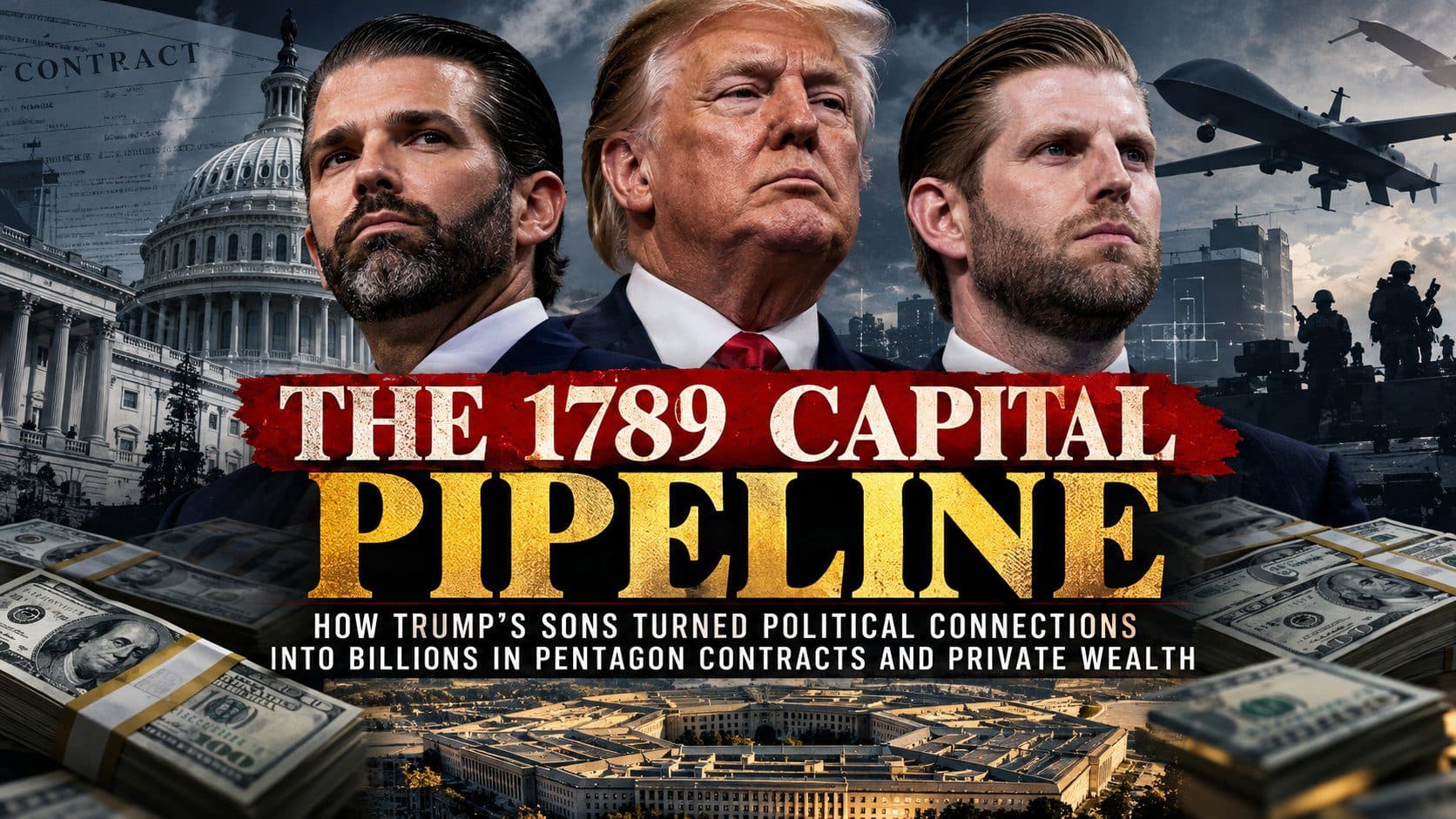
While the alleged secret accounts remain unverified, a separate multibillion dollar financial relationship between Kushner and Saudi Arabia is firmly established. After leaving the White House in January 2021, Kushner founded Affinity Partners, a private equity investment firm that secured a $2 billion commitment from Saudi Arabia’s Public Investment Fund. The sovereign wealth fund is chaired by Crown Prince Mohammed bin Salman, the same Saudi leader with whom Kushner developed a close working relationship while helping direct American Middle East policy during Trump’s first presidency.
The investment attracted scrutiny because of Kushner’s limited experience managing a private equity operation of that size and because Saudi investment officials reportedly raised concerns about the proposed arrangement. Despite those objections, the investment proceeded, creating a substantial financial relationship between a former senior American government official and a foreign government whose strategic interests had been directly affected by policies he helped develop.
In September 2024, the U.S. Senate Finance Committee released findings showing that Affinity Partners charged the Saudi Public Investment Fund an annual management fee of 1.25% on its $2 billion commitment. That fee structure represented approximately $25 million annually, subject to the applicable investment agreement, regardless of whether the underlying investments generated substantial profits. The committee reported that Affinity had collected as much as $157 million in fees from foreign clients, including approximately $87 million attributable to the Saudi government. Those figures represented revenue collected by Kushner’s investment firm, not necessarily personal income paid directly to Kushner.
The Senate investigation also found that, as of July 2024, Affinity had generated no return on investment for its clients and had distributed no earnings to investors. Investigators questioned why foreign sovereign wealth funds were willing to pay substantial management fees to a relatively inexperienced investment operation that had deployed capital slowly and had not yet produced returns. Senator Ron Wyden, then chairman of the Senate Finance Committee, raised concerns that the financial arrangements could provide foreign governments with a means of compensating politically connected Americans while avoiding conventional disclosure requirements.
The findings do not prove that the Saudi investment was an illegal payment or a reward for official actions. Sovereign wealth funds routinely invest in private equity firms, and such investments are not inherently unlawful. The concern arises from the unusual convergence of Kushner’s previous government responsibilities, his personal access to Saudi leadership, the scale of the investment and the continuing possibility that foreign financial interests could influence American political decision making.
Congress Already Raised the Foreign Agent Question
Long before Cole’s latest allegations surfaced, congressional investigators had questioned whether Kushner’s relationships with foreign governments could implicate the Foreign Agents Registration Act, commonly known as FARA. On October 24, 2024, Senator Ron Wyden and Representative Jamie Raskin formally requested that the Justice Department appoint a special counsel to investigate whether Kushner had acted as an unregistered foreign agent while maintaining lucrative financial relationships with Saudi Arabia and other Gulf governments.
Their request followed congressional findings about the substantial fees Affinity Partners received from foreign sovereign wealth funds and public reporting about Kushner’s continued involvement in political and diplomatic matters after leaving office. The lawmakers questioned whether his simultaneous roles as an adviser to Trump, a politically influential intermediary and the owner of a foreign funded investment firm created relationships requiring registration or disclosure under federal law.
FARA generally requires individuals acting under the direction or control of foreign principals in certain political or influence-related activities to register and disclose those relationships. Receiving foreign investment does not automatically constitute a violation, nor does maintaining relationships with foreign leaders. A determination would require evidence concerning the nature of Kushner’s activities, the degree of direction or control exercised by foreign principals, the purpose of any compensation and whether applicable exemptions existed.
The new allegations could create an additional line of inquiry if investigators obtained credible evidence supporting the existence of the purported accounts. Secret access to foreign-funded financial arrangements during government service could raise questions under financial disclosure, ethics, bribery or other federal statutes, depending on the circumstances. However, allegations alone do not establish that Kushner violated FARA, evaded taxes, laundered money or accepted unlawful payments. No publicly established criminal finding supports those accusations in connection with the accounts described in Cole’s book.
The Kushner Family’s Criminal History and Trump’s Presidential Pardon
The scrutiny surrounding Jared Kushner also unfolds against a family history involving a documented federal criminal conviction, a presidential pardon and an extraordinary return to diplomatic influence. His father, Charles Kushner, a wealthy New Jersey real estate developer, pleaded guilty in 2004 to federal offenses including tax evasion, illegal campaign contributions and witness retaliation. The case became notorious because of the elaborate intimidation scheme prosecutors uncovered during their investigation.
According to federal prosecutors, Charles Kushner arranged for a sex worker to seduce his brother-in-law, secretly recorded the encounter and had the recording delivered to the man’s wife in an attempt to intimidate a witness connected to the investigation. Charles Kushner was sentenced to two years in federal prison. The case established a serious criminal record involving financial misconduct and an effort to interfere with the justice system.
In December 2020, during the final weeks of his first presidency, Donald Trump granted Charles Kushner a full presidential pardon. After returning to the White House in 2025, Trump nominated him to serve as United States ambassador to France. On May 19, 2025, the Senate confirmed Charles Kushner by a vote of 51–45, placing the previously convicted real estate developer in one of America’s most prestigious diplomatic positions.
The sequence illustrates the extraordinary political access enjoyed by the Kushner family. A man who served federal prison time for crimes involving tax evasion and witness retaliation received a presidential pardon from his son’s father-in-law and later obtained a major diplomatic appointment under the same president. The conviction belongs to Charles Kushner, not Jared Kushner, and it would be improper to treat a relative’s criminal history as proof of another person’s wrongdoing. Nevertheless, the family’s overlapping business, political and diplomatic relationships are legitimate subjects of public scrutiny, particularly when questions about government favoritism and private financial interests arise.
Kushner and Steve Witkoff: Private Business Interests Meet American Diplomacy
Kushner’s political influence did not disappear when Trump left office in 2021. Following Trump’s return to the presidency, Kushner reemerged as an influential participant in American diplomatic efforts, working alongside special envoy Steve Witkoff on major international negotiations. Reporting in 2026 has identified Kushner as a Trump envoy involved in diplomatic initiatives, including negotiations connected to the Middle East, even as questions remain about the precise boundaries of his formal governmental authority and private business interests.
The central concern is not that Kushner has experience in business or maintains personal relationships with foreign leaders. Those relationships can sometimes provide diplomatic access unavailable through traditional channels. The concern is whether someone whose investment firm has received billions of dollars from foreign sovereign wealth funds can participate in negotiations involving those same governments without creating conflicts between American national interests and private financial incentives.
Kushner and his defenders point to the Abraham Accords, the normalization agreements reached between Israel and several Arab countries during Trump’s first presidency, as evidence that his unconventional diplomatic approach produced meaningful results. Those agreements represented significant developments in regional diplomacy and remain part of his public record. His defenders also argue that private-sector experience and direct relationships with regional leaders can help overcome bureaucratic obstacles that have historically complicated Middle East negotiations.
But diplomatic achievements do not eliminate the need for financial transparency. The Middle East remains a region of profound instability, with conflicts involving Israel, Palestinian territories, Iran and multiple regional actors continuing to challenge American policy. It would be inaccurate to assign responsibility for every regional conflict or attack on American interests to Kushner and Witkoff personally. Nevertheless, when politically connected individuals exercise significant diplomatic influence while maintaining substantial private financial relationships with foreign governments, the potential for conflicting interests becomes a legitimate matter of national concern.
The Alleged Payments to Warlords, Mercenaries and Foreign Intermediaries
Among the most serious elements of Cole’s reporting are allegations that funds from the purported financial network were directed toward foreign intermediaries, including individuals characterized as a warlord, a mercenary and a former contract killer. The book describes these alleged transactions as part of a broader effort to influence regional developments and advance diplomatic objectives outside conventional governmental channels.
If substantiated, such transactions could raise significant legal and national security questions. Investigators would need to identify the recipients, establish the source and destination of the funds, determine who authorized the transfers and examine whether any payments violated sanctions, financial reporting requirements or other federal laws. The existence of payments to controversial foreign actors would not automatically establish a crime, but undisclosed transactions involving a senior government official and foreign political or military intermediaries would warrant particularly close examination.
The available public reporting does not establish that Kushner personally directed unlawful operations, knowingly financed criminal activity or transferred money to the individuals described. The claims remain disputed and lack publicly available financial documentation sufficient to independently verify the alleged transactions. Their seriousness makes verification essential, particularly because allegations involving covert payments and foreign military actors carry substantial implications for both national security and individual reputations.
Kushner’s Denial and the Evidence Still Missing
Kushner has rejected Cole’s allegations in exceptionally strong terms, publicly describing them as completely insane and denying that the purported financial arrangements ever existed. In a detailed legal response published on his website, his attorney, Alejandro Brito, denied that Kushner had knowledge of, access to or involvement with the alleged accounts in the UAE, Israel or Cyprus. The response also denied that Kushner entered into unauthorized financial arrangements with foreign leaders or used intermediaries to conduct the activities described in the book.
Kushner’s representatives have challenged the absence of publicly produced bank statements, wire transfer records, account numbers, transaction dates and other documentation that could independently establish the alleged financial arrangements. His legal team has characterized the accusations as false and defamatory and indicated that legal remedies may be pursued. Kushner has also emphasized the extensive scrutiny he faced during his White House service, arguing that the alleged conduct did not emerge during previous investigations because it never occurred.
Those objections cannot simply be dismissed. Allegations involving billions of dollars, covert foreign influence and possible federal crimes require substantial evidence. CBS News reported on October 23 that it had not independently verified the claims contained in the Vanity Fair excerpt. Although Cole’s reporting describes intelligence sources and purported financial arrangements, the publicly available material does not include authenticated records that conclusively establish the accounts, Kushner’s access or the alleged transfers.
The distinction between credible questions and proven misconduct is especially important in a case involving a politically prominent individual. Investigative reporting can expose matters that deserve official examination, but the publication of allegations does not transform them into established facts. At the same time, a categorical denial does not independently resolve the underlying questions. The appropriate standard is documentary verification, scrutiny of relevant records and accountability based on evidence rather than political affiliation.














Loading comments…